The G7 countries have made a significant decision to release 100 million barrels of diesel fuel and crude oil from their emergency stockpiles. Furthermore, all countries pledged not to impose restrictions on energy exports.
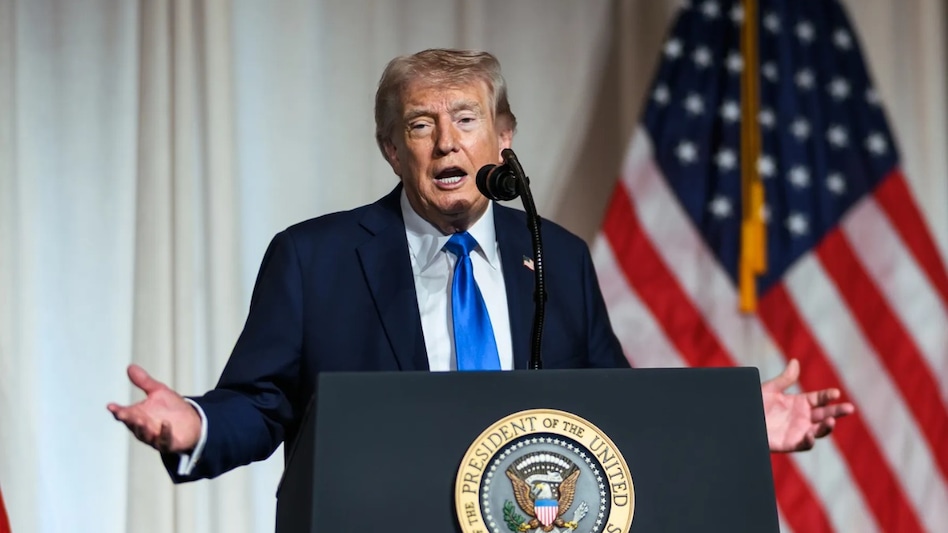
This decision was made under pressure from US President Donald Trump, who seeks to lower rising fuel prices ahead of the mid-term elections scheduled for November. It is also unclear what portion of the new agreement will be drawn from the remaining volume of the March agreement.
The US has been running a campaign to pressure the European Union, demanding that the EU withdraw oil from its emergency diesel reserves. The Trump administration warned that failure to meet this requirement could lead the US to impose an export ban on diesel fuel. Such a ban could seriously affect Europe, as it has become more dependent on American diesel fuel, and reduced supplies could result in significant economic losses for the EU.
This is not the first instance of oil reserve releases. Following the war with Iran in March, an agreement was reached to release 400 million barrels of oil under the leadership of the International Energy Agency (IEA), which was the largest release under an emergency situation to date.
In a joint statement, the G7 indicated that a coordinated release of 100 million barrels of oil would be carried out through the IEA, taking into account previously made commitments. This means that all countries will act in coordination.
However, one point remains unclear. Fatih Birol, Executive Director of the IEA, reported this week that member countries have already released about two-thirds of the volume under the 400 million barrel agreement. Consequently, approximately one-third of the oil under the March agreement still needs to be released.
The G7's move is linked to an attempt to stabilize fuel prices. For Trump, this decision is highly significant given the approaching elections.

