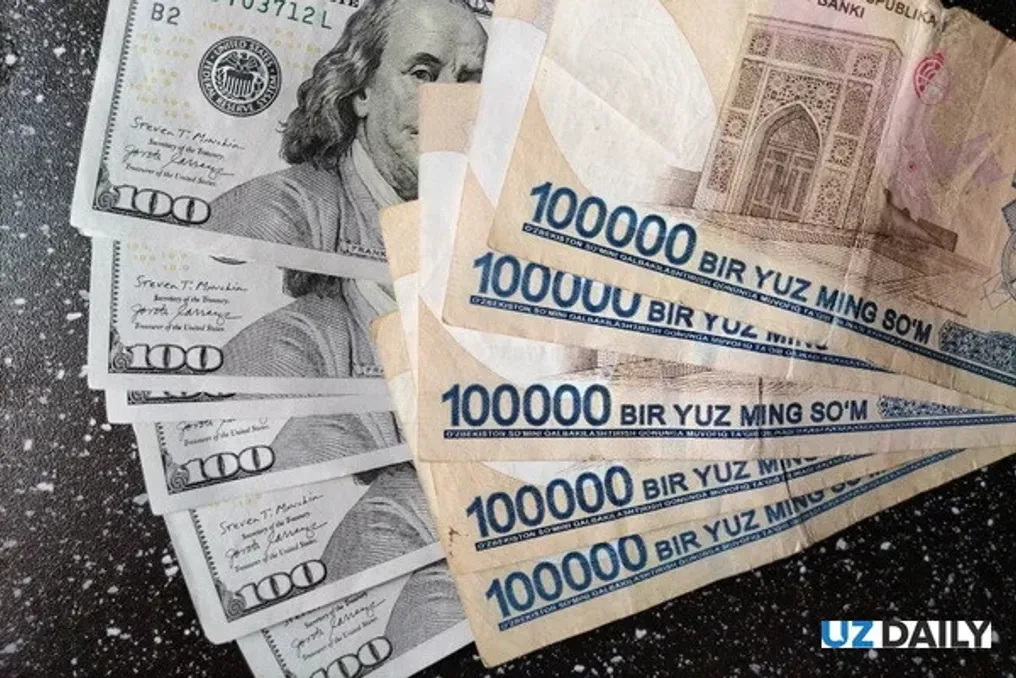
In recent weeks, the US dollar has predominantly traded in the range of 11,700–11,850 soms after a prolonged decline from peak spring values. Overall, the sum has retained most of its initial gains despite periodic attempts by the dollar to regain lost ground.
September proved favorable for the national currency: the dollar exchange rate fell from 11,800 to 11,775 soms. Consequently, the sum strengthened by 0.5% during the month. Since the beginning of the year, it has shown growth of 2.5%.
After the dollar exceeded the 12,200 soms mark in February, a stable downward trend formed in the dollar/sum currency market.
The fundamental support for Uzbekistan's national currency remains quite strong. In the first half of the year, the supply of foreign currency in the domestic market, excluding Central Bank operations, increased by 31%, reaching 27.8 billion US dollars, while demand grew by 20% to 32 billion US dollars. This led to a narrowing of the foreign currency deficit by 1.3 billion US dollars, or 24%. Significant inflows of remittances and a high level of international reserves provide additional support to the market.
Monetary policy also plays an important role. In September, the Central Bank maintained its key rate at 14%, while annual inflation stood at 6.2%, and core inflation was around 5.5%. A high real interest rate increases the attractiveness of savings in the national currency, and the strengthening of the sum helps curb imported inflation.
Nevertheless, sustained domestic demand could put pressure on the national currency. Active consumer and investment activity stimulates imports and increases the need for foreign currency by businesses. Another risk for the sum is the external environment, especially against the backdrop of the strengthening of the US dollar in global markets.
Despite this, the balance of factors remains favorable for now. In light of these circumstances, the basic range for the US dollar for the coming week is forecasted to be within 11,700–11,900 soms.