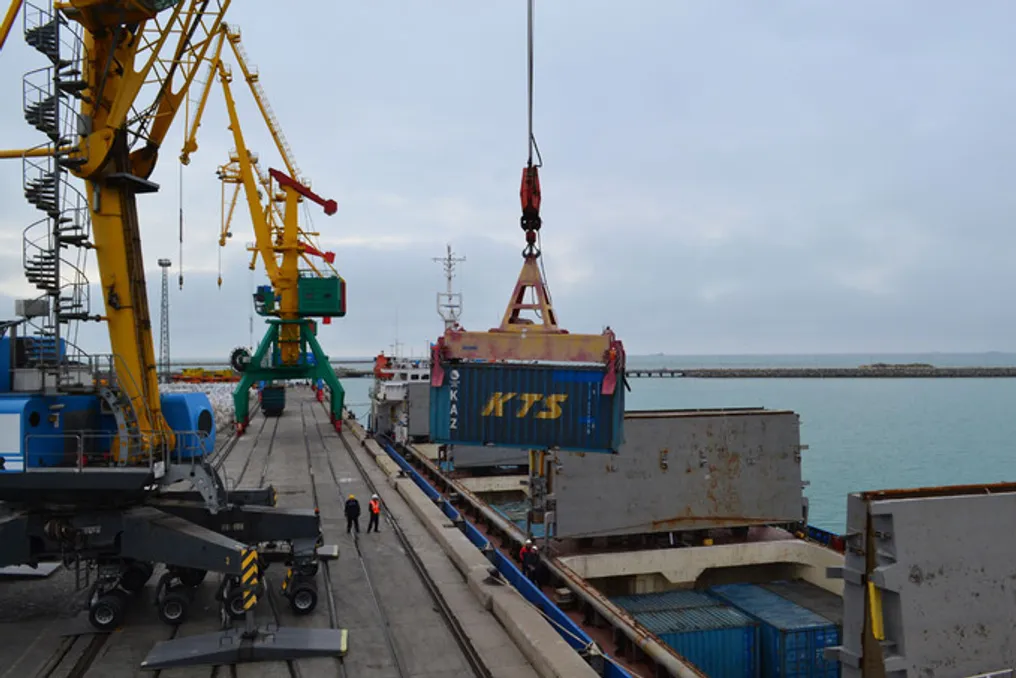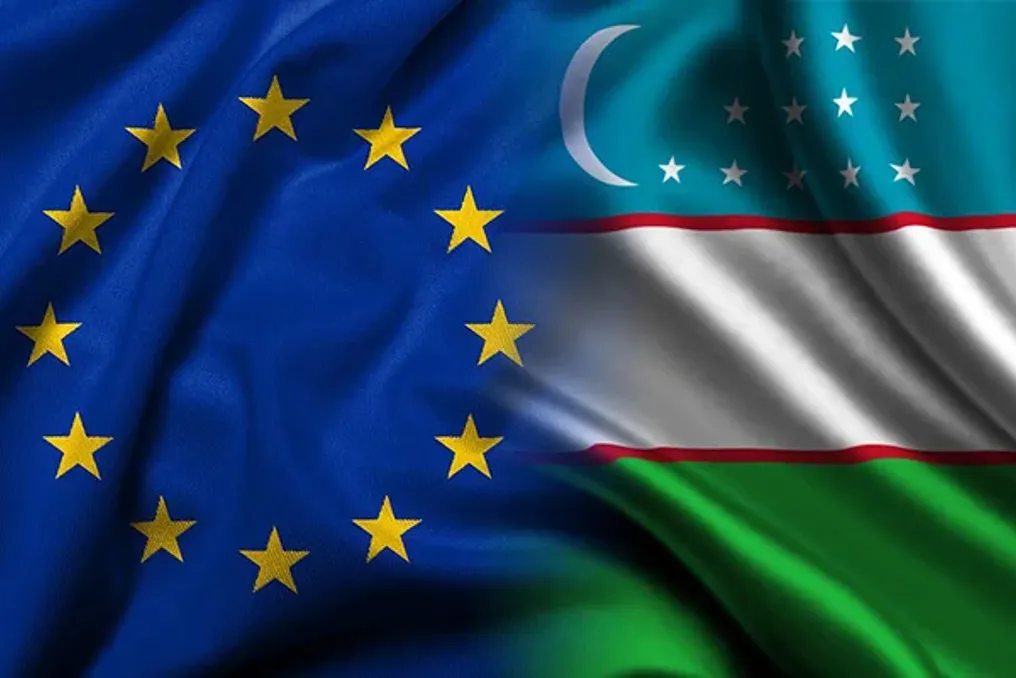
Representatives from Uzbekistan, the European Union, international financial institutions, development partners, and the private sector held discussions on investment and reform issues aimed at strengthening the Trans-Caspian Transport Corridor. This meeting took place in Tashkent on September 30 as part of the second National Conference on the Trans-Caspian Transport Corridor.
The conference was co-chaired by the Minister of Transport of Uzbekistan, Ilhom Makhkamov, and Peter Ustups, Director for Asia and the Pacific at the Directorate-General of the European Commission for International Partnerships. The main focus was on infrastructure development, project preparation, and practical measures to enhance the corridor's efficiency and competitiveness.
Participants reviewed issues related to investments in railway and road infrastructure, the readiness of priority projects, financing needs, and necessary reforms. A flagship World Bank publication for 2026 dedicated to the Trans-Caspian Transport Corridor was also presented, offering a comprehensive approach to defining national investment priorities.
A separate session was devoted to the role of logistics centers and services in connecting domestic production and trade with the Trans-Caspian Corridor. Business operating conditions and measures to attract investment were discussed. Digitalization issues were examined in the context of the need for cross-border exchange of transport and trade documents, including the implementation of eTIR, eCMR, and electronic certificates of origin, as well as ensuring digital system compatibility and adherence to international standards.
Private sector representatives presented their proposals and recommendations for projects. Furthermore, the possibility of establishing a Private Sector Advisory Committee (PSAC) was discussed, which could serve as a mechanism for business participation in the dialogue on the corridor's development policy.
Peter Ustups noted that as the Trans-Caspian Transport Corridor transitions from ambitious plans to implementation, today's conference is focused on turning general priorities into concrete projects, improving coordination, and attracting real investment. According to him, for the EU, this corridor is not only a transport route but also a platform for partnership, sustainable growth, and strengthening regional cooperation between Europe and Central Asia.
The conference is held within the framework of the EU-funded Trans-Caspian Transport Corridor Coordination Platform, which is implemented in accordance with the EU Global Gateway strategy. This platform provides consultation and coordination among five Central Asian countries, the EU, international financial institutions, and other partners. Future work will focus on preparing priority projects and measures to enhance the corridor's efficiency and competitiveness.