This practical guide provides detailed information on living in Johannesburg, covering neighborhood exploration, housing advice, transport, safety concerns, utilities, healthcare, employment, leisure, and useful contacts recommended by locals.
Moving to or living in Johannesburg can be both exciting and challenging. This guide compiles key steps and checklists to help make daily life more comfortable: from finding a suitable neighborhood and accommodation to navigating transport, managing utilities, ensuring safety, locating medical facilities, schools, and weekend leisure options, and includes a list of official contacts.
Before signing a lease or purchase agreement, it is crucial to conduct your own research both online and in person. It is recommended to use real estate portals and consult with local real estate agents. To get an idea of traffic, noise levels, and safety, visit suburbs at different times of the day. You must check the security measures of any property and ensure you fully understand the deposit and contract terms directly with landlords or agents.
When planning trips, several modes of transport should be considered. The premium fast rail option is the Gautrain; however, as public consultations and changes have recently occurred around it, you must check current routes and services before using it. Minibus taxis are widely used, serving as an informal mode of transport, as are ride-hailing apps like Bolt and Uber, which are often recommended for point A to point B journeys. Expect traffic jams during peak hours and allow extra time for travel.
In daily life, practical, non-panicked precautions should be taken. Whenever possible, avoid isolated areas at night; if you opt for private security, use the services of well-established security companies or armed response services; secure homes with sturdy gates and alarms; and remain vigilant about your belongings in public places. It is advisable to use cashless payments whenever possible. For neighborhood-level crime information, refer to official statistics from the South African Police Service (SAPS) and local community patrol forums before making decisions.
Recent reports indicate ongoing issues with municipal service provision in Johannesburg. According to TimesLIVE, the city faces infrastructure failures, unreliable water and electricity supply, service backlogs, and declining public trust. Since outages and service problems can occur, it is necessary to have contingency plans ready.
The choice between public and private healthcare depends on needs and budget; if you plan to use public services, you should register at the nearest clinic. For school enrollment matters, you need to start with the contact points of the Gauteng Department of Education: call center 0800 000 789 and email gdeinfo@gauteng.gov.za. Registration procedures, fees, and admission to specific schools should be verified directly with those institutions.
If possible, try to negotiate a flexible work schedule or remote work days to avoid peak hour traffic. For occasional workdays, consider co-working spaces in business centers. When traveling, plan routes in advance, take precautions, and allow extra time for potential delays.
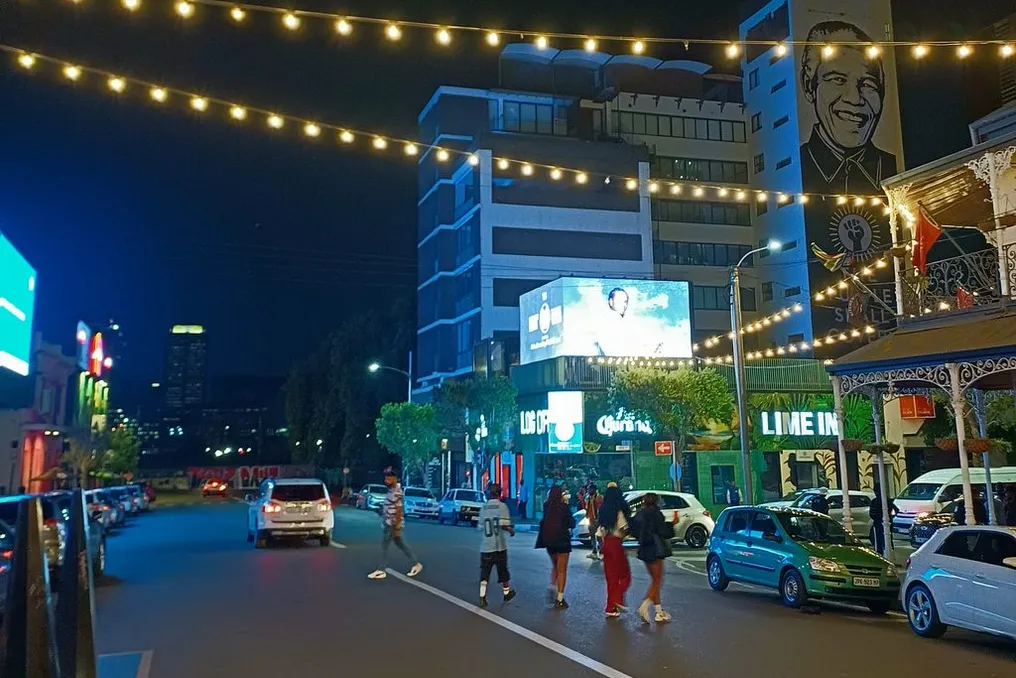
Johannesburg offers markets, parks, nightlife, and cultural venues. To find local restaurants and events, follow event organizers' pages and venue announcements, and confirm cancellations or changes immediately before visiting.
For outdoor excursions and heritage exploration in the surrounding areas, day trips to places such as the Cradle of Humankind, Magaliesberg, and scenic Panorama routes can be made. Before traveling, check opening hours, booking requirements, and road conditions.
It is important to keep identification, proof of residence, and copies of important documents in a safe place. For visa or immigration inquiries, consult official government portals for the most up-to-date information.
This guide focuses on practical steps rather than specific figures. Current research has not confirmed average rental or sales prices in suburbs, neighborhood crime rates, exact tariffs or schedules, or ratings for schools and medical facilities; this data must be cross-referenced with primary sources before being considered factual. As noted by TimesLIVE, Johannesburg is experiencing service delivery challenges, including unreliable water and electricity supply and service backlogs, which is context readers should consider when planning.
With thorough research, personal visits, and simple contingency planning, life in Johannesburg can be manageable and rewarding. It is essential to keep official contacts and community channels handy, and always verify changing information, especially regarding services, transport, and real estate, before making major decisions.