Acharya Chanakya is recognized as India's greatest economist and astute strategist. In his work 'Chanakya Niti,' he outlined methods for solving numerous complex life problems. Furthermore, 'Chanakya Niti' contains an important statement regarding ancestors and ancestor worship rituals. Chanakya believed that people usually attribute the status of father only to those who gave them birth, whereas the true concept of 'Pitru' (father/ancestor) is much broader.
One line in 'Chanakya Niti' states: 'Janita chopneta cha yastu vidyam prayacchati. Annadata bhayatrata panchate pitarah smritaah.' This means that a father is not only the one who gave birth to a person. Also, one who nurtures and transmits knowledge is considered a father. Moreover, one who provides food and protects from fear should also be regarded as a father. Consequently, limiting the concept of a father only to the person who gave birth is incorrect; the true father is one who explains the fundamental purpose of life and provides protection.
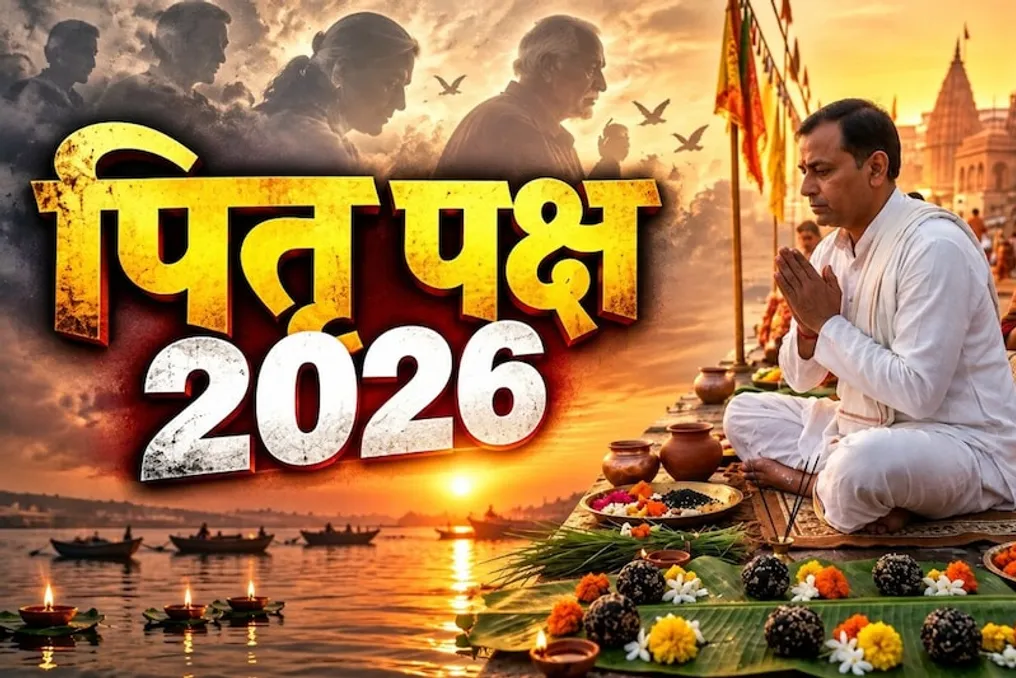
This year, Pitru Paksha will run from September 26 to October 10. During Pitru Paksha, people perform Shraddha rituals to attain peace for the souls of their ancestors. There is a belief that performing Shraddha, Tarpana, and Pindada on these days helps eliminate 'Pitru Dosha' (problems related to ancestors), and the blessings of the ancestors remain with the person, helping them overcome any difficulties in life. It is believed that by offering Pinda made of rice or barley flour, black cumin, ghee, honey, and milk, ancestors are appeased and shower their grace upon their descendants.
Shraddha is performed according to the date of the deceased's death. However, if the ancestor's date is unknown, their Shraddha can be performed on the day of Sarvapitri Amavasya, which is the last day of Pitru Paksha. This year, Shraddha on Sarvapitri Amavasya will take place on October 10.
The schedule includes the following dates: Shraddha on Pournima - September 26, 2026 (Saturday); Shraddha on Pratipada - September 27, 2026 (Sunday); Shraddha on Dwitiya - September 28, 2026 (Monday); Shraddha on Tritiya - September 29, 2026 (Tuesday); Shraddha on Chaturthi and Panchami - September 30, 2026 (Wednesday); Shraddha on Shashti - October 1, 2026 (Thursday); Shraddha on Saptami - October 2, 2026 (Friday); Shraddha on Ashtami - October 3, 2026 (Saturday); Shraddha on Navami - October 4, 2026 (Sunday); Shraddha on Dashami - October 5, 2026 (Monday); Shraddha on Ekadashi - October 6, 2026 (Tuesday); Shraddha on Dwadashi - October 7, 2026 (Wednesday); Shraddha on Magha - October 7, 2026 (Wednesday); Shraddha on Trayodashi - October 8, 2026 (Thursday); Shraddha on Chaturdashi - October 9, 2026 (Friday); and Sarvapitri Amavasya - October 10, 2026 (Saturday).