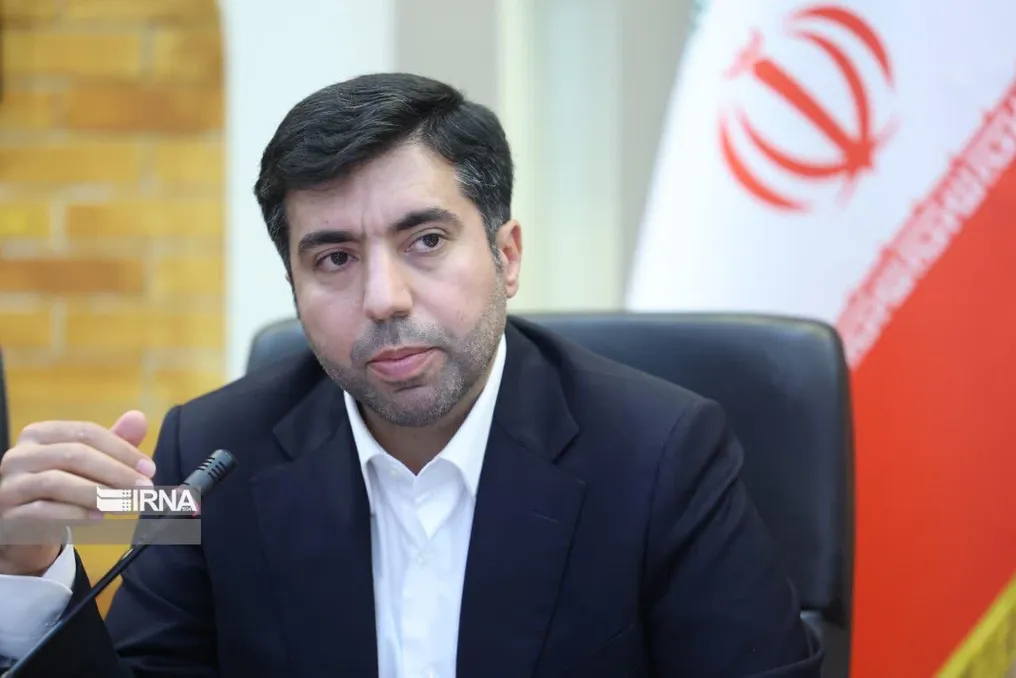
The Deputy Minister of Economic Affairs and Finance, as well as the head of Iran's Investment Organization, announced Iran's readiness to present technically and economically justified projects to Turkmenistan and the countries of the Commonwealth of Independent States. These projects cover the fields of energy, transit, agriculture, industry, and special economic zones.
According to an IRNA report from the Ministry of Economic Affairs and Finance, Mehdi Heidari stated on Thursday at the Ashgabat Investment Conference his intention to demonstrate such projects to Turkmen partners and CIS states. He noted that participation in this conference is an opportunity to begin a new chapter in economic cooperation between the two countries.
Heidari emphasized the need to develop joint investments, strengthen infrastructure, technological interaction, and attract the private sector. He believed that the future of regional investments depends on expanding connections between markets, naming the International North-South Corridor, the Middle Corridor, and the development of ties between Central Asia, the Caspian region, the Persian Gulf, and global markets as potential opportunities for forming regional value chains.
The Deputy Minister stated that Iran can provide Turkmenistan and other Central Asian countries with access to the Persian Gulf, open waters, and Middle Eastern markets. In return, Turkmenistan and Central Asia can contribute to expanding Iran's access to the Eurasian economic space. From this perspective, investments should not only transfer capital but also strengthen regional economic ties.
He cited existing cooperation, such as the Korpedje–Korduk oil pipeline, the Dousti dam, the Kazakhstan–Turkmenistan–Iran railway, the Incheh Borun–Bereket railway connection, cooperation in the field of electricity, and the Sarakhs border zone, as an illustration of the two countries' experience in implementing large cross-border projects.
The head of Iran's Investment Organization identified four priority areas for further interaction: energy; transit and logistics; agriculture and food industry; and industrial investment in free and special economic zones.
In the energy sector, Heidari listed gas exchange, energy transmission and storage, oil refining, and petrochemicals as areas for cooperation, noting that investments in these fields can help connect the region's energy resources and infrastructure.
Regarding transit and logistics, he proposed investments in railway and road parks, border terminals, logistics centers, and transport links of the Caspian Sea as a solution to reduce the costs and time of regional trade.
In the section on agriculture and food industry, the deputy minister highlighted the potential of connecting Central Asian agricultural products with Iran's capabilities for processing, packaging, and distribution, calling this cooperation the basis for joint presence in international and regional markets.
Heidari presented Iran's free and special economic zones as platforms for industrial investment, which provide access to the country's domestic market while utilizing regional transit routes and neighboring markets.
He stressed that investment opportunities must be accompanied by clear institutional mechanisms, predictability, and implementable projects. According to him, Iran is strengthening the framework for investment promotion to meet these needs.
The head of Iran's Investment Organization, referring to the Law on Encouraging and Protecting Foreign Investments, presented the Iranian Investment Organization as the official body for foreign investors to enter and reported on efforts to strengthen provincial centers for investment services and expand cooperation with qualified private structures to facilitate investment.
Finally, Heidari included strengthening infrastructure, forming regional value chains, and creating long-term benefits for participating countries in the goals of this cooperation, inviting regional partners to turn economic negotiations into actionable projects and joint investments.