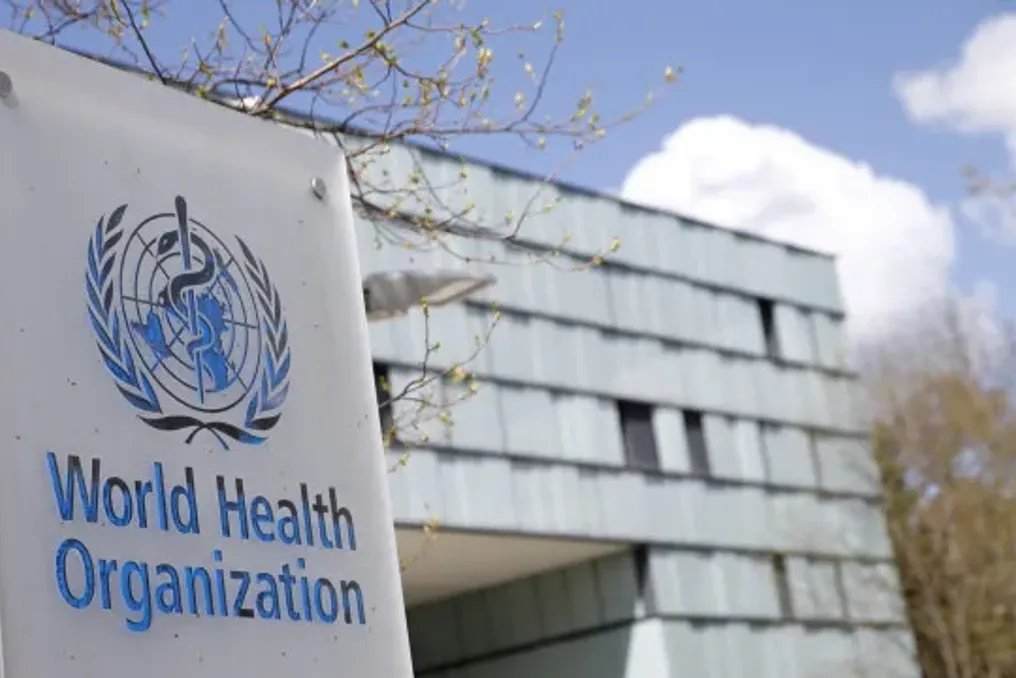
The World Health Organization (WHO) warned that stigma represents a greater concern than any microorganism, because when individuals fear being labeled as carriers of a disease, they avoid seeking healthcare services, which prevents the diagnosis of treatable illnesses.
Adham Ismail, a specialist from the WHO regional office in Cairo covering Morocco and other locations, emphasized that people who trust the system seek assistance earlier, receive faster diagnoses, and complete treatment.
The WHO official advised that any authorities managing cross-border situations, whether in Morocco or Spain, must implement risk- and evidence-based measures, not based on nationality or legal status. He stressed that generalized measures should not be applied to an entire group, nor should language be used that associates people with diseases.
While acknowledging the natural concern regarding the crossing of tens of thousands of migrants in a few days, the specialist recalled that most of these migrants are young and healthy at the start of their journey. However, he admitted that adverse conditions, such as sleeping outdoors, lack of potable water, overcrowding, and starvation, can lead to skin infections, diarrhea, respiratory problems, heatstroke, and injuries.
On Wednesday, the autonomous city of Ceuta reported that since July, with the arrival of approximately 70,000 migrants from Morocco, eight cases of tuberculosis, 15 cases of varicella, and an outbreak of 29 cases of scabies were identified among the population that crossed the Spanish border.
Regarding tuberculosis, Adham Ismail stated that the scientific evidence is robust. In countries with low incidence, such as Spain, most cases among migrants likely result from the reactivation of old infections, not subsequent transmission. To support this claim, he cited a study in the journal The Lancet that monitored nearly 520,000 migrants before entering the United Kingdom, finding a minimal risk of subsequent contagion.
Thus, he underlined the importance of conducting tests when clinically justified, ensuring free and easy access to treatment and verifying its completion. This protects both the individual and their surroundings, as well as Spain.
The WHO manager also recommended that, instead of creating an exclusive system for migrants, communication must be agile and free of stigma, given that misinformation spreads faster than any outbreak. Furthermore, he highlighted the need for mental health attention, mentioning that many people arrive after experiencing violence, losses, anxiety, sleep disorders, depression, or post-traumatic stress, issues that are more common than infections and deserve care.