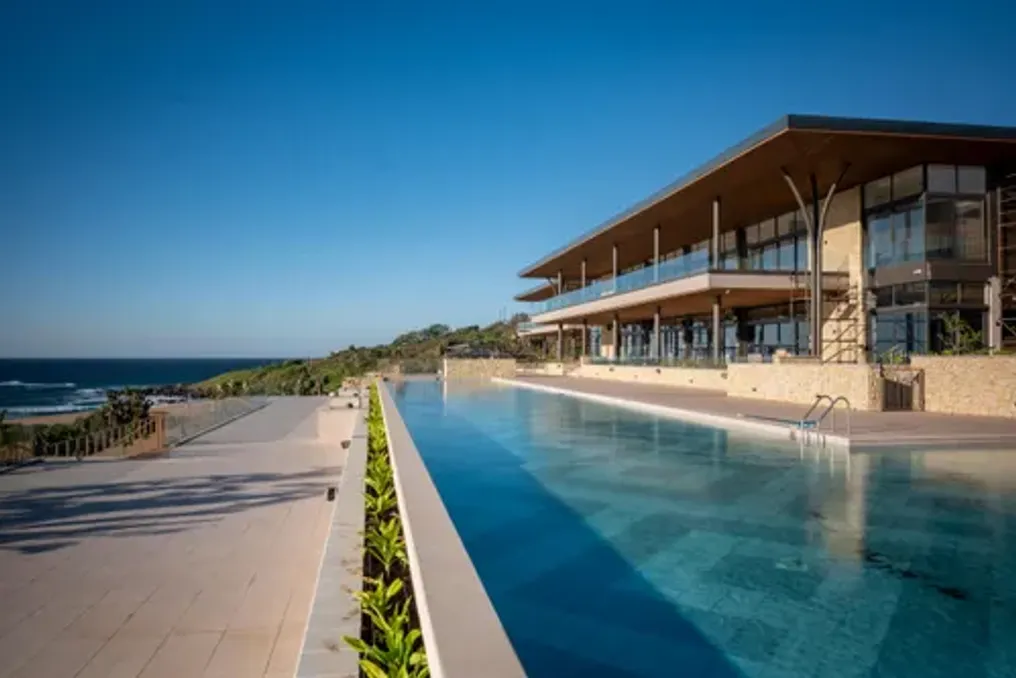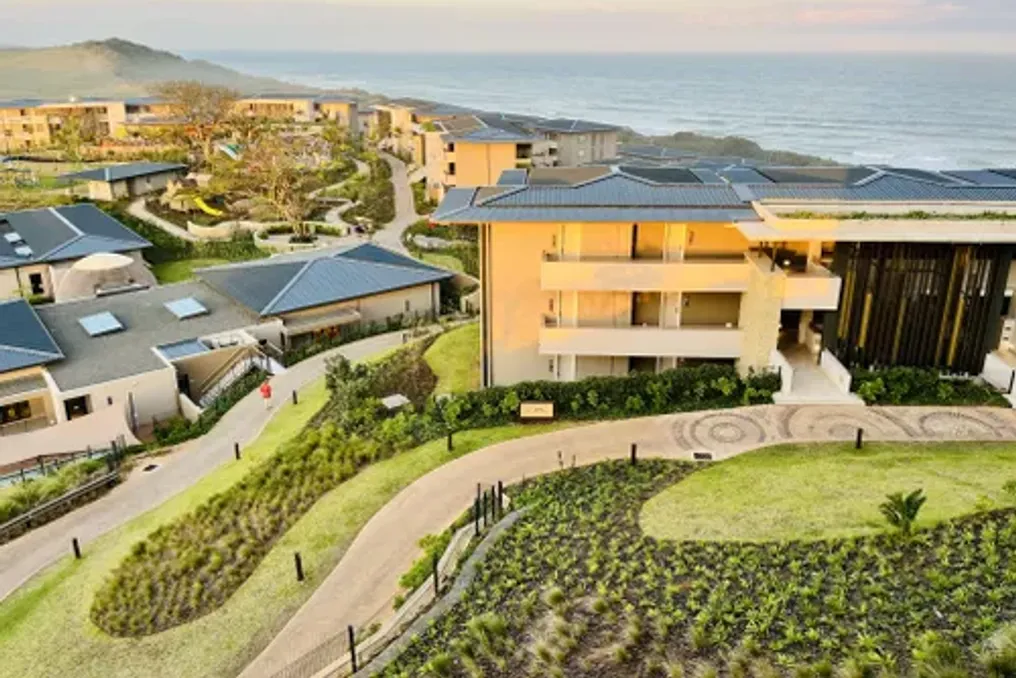
The new Club Med South Africa Beach & Safari Resort, located in Tinley Manor, represents a major investment in the KwaZulu-Natal tourism sector. The attraction of a global brand, the creation of 2100 jobs, and the stated value of 2 billion rand make the arrival of Club Med on the North-Eastern coast of KwaZulu-Natal a landmark moment for South African tourism.
However, hospitality experts and local business leaders are questioning whether this mega-resort can truly stimulate the regional economy or remain an isolated luxury object. While international guests arrive for the launch of the Beach & Safari concept, there is pressure to ensure that local small and medium enterprises (SMMEs) and workers benefit from this project.
According to company information, the Tinley Manor facility is the largest hospitality investment in South Africa and the wider SADC region since the 1970s. By combining coastal relaxation with a Big Five safari experience in northern KwaZulu-Natal, Club Med is using this project for a global launch of a dual concept and demonstrating high confidence in the country's tourism future.
The resort has already welcomed guests from over 30 countries, with approximately 60% of current visitors being South African citizens, and initial reviews have been extremely positive. Globally, Club Med serves 1.4 million guests, and the company plans to nearly double this figure to 2.6 million by 2035, while increasing its share in the local market through the KwaZulu-Natal property.
Ultimately, the resort is designed to attract high-income international travelers, encourage longer stays, and leverage its global distribution network to raise the profile of KwaZulu-Natal. For the province, the key test is transforming the visibility of a global brand into widespread economic activity.
Stefan Macair, President and CEO of Club Med, stated that the company 'has strong confidence in the future of South African tourism.' He specified that Club Med hosts about 1.4 million guests worldwide and aims to increase this number to 2.6 million by 2035. Macair also noted that the company intends to double its clientele from South Africa thanks to the KwaZulu-Natal property.
The resort has already attracted visitors from more than thirty countries. According to Macair, about 60% of clients are currently South African citizens, and the first eight to ten weeks of operation have shown strong and positive feedback. The resort is intended to attract wealthier international visitors and promote longer stays, utilizing Club Med's global client and distribution network to enhance the profile of KwaZulu-Natal. For KwaZulu-Natal, this creates an opportunity to transform the recognition of a global brand into broader tourism activity.
South African Minister of Tourism Patricia de Lille addressed the opening of Club Med South Africa Beach and Safari. She stated that the resort's opening comes ahead of the holiday season and follows more than six million international tourist arrivals registered from January to June. De Lille expressed confidence that the opening of this 'gem' will attract more visitors to the country's coast.
However, she also emphasized the need for economic activity for a resort of this scale to function. The Minister noted that the resort will require fresh produce, services, transport, and a reliable supply chain, and that each such link can create opportunities for small and medium enterprises (SMMEs).
The development has already generated significant employment. Club Med reports that over 2300 direct and indirect jobs were created during construction, and the operational resort has 600 permanent direct positions supporting around 1500 additional jobs in agriculture, transport, maintenance, excursions, catering, and logistics. South African citizens make up 84% of employees at the beach resort, and all staff at Vikela Safari Lodge were hired locally.
The question remains as to what portion of this economic activity can spill over into the broader tourism industry. FEDHASA believes that the appearance of an international brand is a positive signal for the South African hospitality sector and could stimulate further investment. However, the organization argues that the real multiplier effect depends on how closely the large resort integrates into the local economy, including sourcing from local suppliers and partnering with tourism businesses.
FEDHASA also highlights skills development as a long-term opportunity, insisting that international operators must help create structured career paths for South African hospitality professionals. Club Med partnered with Nukakamma Talent Development Centre to run a hospitality training program that included classroom instruction, practical experience, industry engagement, and mentorship. Participants who completed the program now work at the resort with potential mobility within the global Club Med network.
Guy Stehlik, founder and CEO of BON Hotels, views Club Med as a positive development for KwaZulu-Natal, which he believes possesses outstanding coastline and underestimated international tourism potential. Nevertheless, he cautions against viewing one project as proof of sustained investor confidence. Stehlik stressed that 'the opening of one hotel does not equal confidence; confidence comes after what happens next—whether the next investor sees a market in KwaZulu-Natal worthy of support.' He notes that his hotels are located in Umhlanga, Empangeni, and Richards Bay, and would like to see investments reach parts of the province outside the most well-known tourist destinations.
He also posits that the potential benefits of increased international tourism extend beyond elite accommodation. A higher volume of visitors can create demand for mid-range hotels, corporate lodging, restaurants, tour operators, and attractions. This poses a key challenge for KwaZulu-Natal: will Club Med expand the overall tourism market or simply add another point to the existing one?
The resort's product itself offers one way to expand the tourism offering. Its 32-hectare coastal area in Tinley Manor is combined with Vikela Safari Lodge in a private Big Five reserve spanning approximately 18,000 hectares in northern KwaZulu-Natal. Club Med states that this model aims to combine the country's beach and safari experiences, encouraging longer stays. A broader opportunity lies in connecting these visitors with businesses and experiences outside the Club Med product.
FEDHASA contends that international investments may miss out on much of their potential if they operate in isolation from the local economy. Their view is that local sourcing and partnerships with small businesses are crucial to ensuring that the benefits of large hospitality projects spread throughout the destination. Tinley Leisure, the South African company owning and developing the resort, also positioned local community involvement as part of the project's economic legacy. Its shareholders include African Bank, Industrial Development Corporation, investors under the Trevally brand, and Tinley Leisure Women Investments.
Club Med's ambitions give KwaZulu-Natal a potentially valuable international platform. The company aims to grow its global customer base from 1.4 million to 2.6 million by 2035 and double its South African clientele thanks to the new property. Whether this leads to broader provincial growth will depend on what happens around the resort: whether local suppliers win contracts, whether tourism workers' careers develop, whether visitors interact with other parts of the destination, and whether the investment helps make KwaZulu-Natal more attractive to future investors. Stehlik's question—what happens after the first hotel opens—may prove to be the most important.