If you plan to make purchases, go out, or visit a restaurant on October 2nd, it is recommended to bring cash with you. This is because some trade organizations have called for a 'UPI-free Day' in protest against the proposed Merchant Discount Rate (MDR) charge on UPI transactions exceeding 2000 rupees.
In Delhi, several trade associations have called for a 'UPI-free Day' to protest the MDR being proposed for sellers accepting payments via UPI for amounts over 2000 rupees. However, there is a division among these organizations: some insist on refusing digital payments on October 2nd, while others distance themselves from this call.
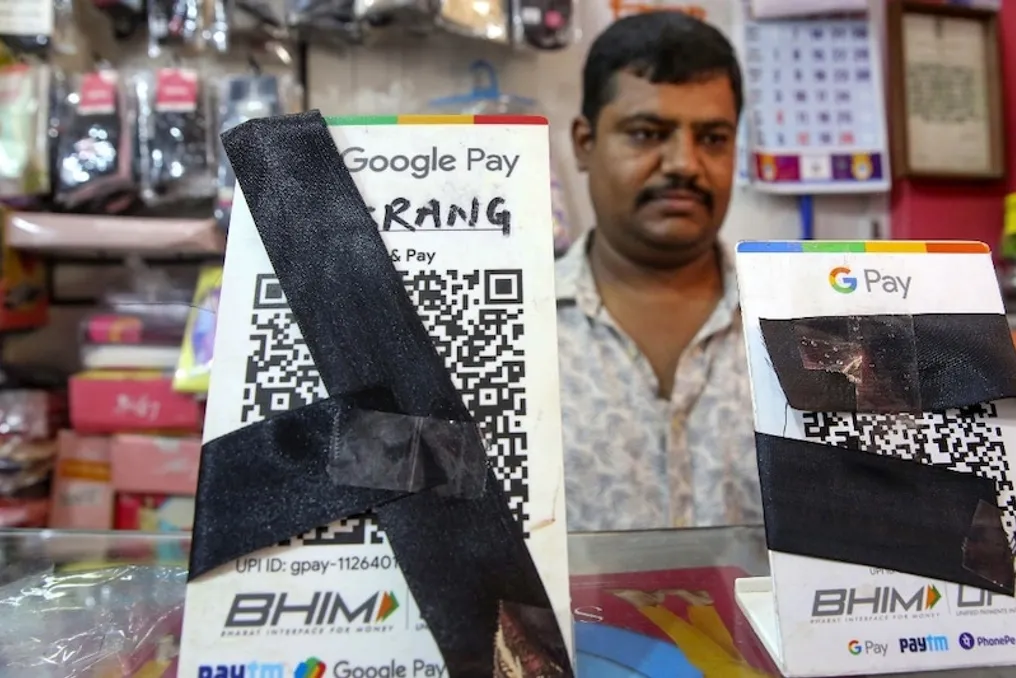
The Confederation of Indian Traders (CIT) initiated the call for a 'UPI-free Day' on October 2nd. The organization appealed to sellers and traders to accept only cash payments and refuse UPI payments. CIT also urged closing UPI terminals in shops with black cloth. CIT claims that over 100 large trade organizations support this campaign, and this protest could be seen in more than 2000 locations. Nevertheless, it is not guaranteed that UPI payments will be disabled in all stores, as the positions of different traders and organizations may vary, so it is useful to carry some cash when leaving home.
Not all trade associations agree with the concept of a 'UPI-free Day.' While CIT continues to advocate for this protest, the Confederation of All India Traders (CAIT) stated that it has not made a decision to hold a 'UPI-free Day' on October 2nd. According to CAIT, no proposals have been made, nor have any official statements been issued on this matter. Furthermore, reports have emerged that some leaders of trade organizations have withdrawn their protest after meeting with Finance Minister Nirmala Sitharaman.
As a result of disagreements among traders on this issue, it cannot be assumed that UPI payments will be disabled in all stores across the country today.
The Confederation of All India Traders (CAIT), the All India Mobile Retailers Association (AIMRA), and the All India Consumer Products Distributors Federation (AICPDF) announced the withdrawal of the 'UPI-free Day' protest on Wednesday. This decision was made after a delegation of traders met with Union Finance Minister Nirmala Sitharaman. The delegation, led by a Bharatiya Janata Party (BJP) MP and CAIT General Secretary Parin Kanheldwal, along with AIMRA founder Chairman Kailash Lakhyani, submitted a joint memorandum to Minister Sitharaman.
The memorandum included demands to postpone the introduction of the proposed MDR, implement it in phases, and change its application threshold. The trade organizations also requested the exclusion of business-to-business (M2M) transactions from the scope of MDR. They also asked for the creation of an expert committee to study the issues of the retail and distribution sectors.
The main reason for the protest is the proposed MDR on UPI transactions exceeding 2000 rupees. Under the new system, starting from October 15, 2026, an MDR of 0.4% is planned to be charged on UPI transactions of certain categories of sellers. This levy is related to the seller's payment, not the fee charged by the customer. According to the proposed rules, P2P transfers between individuals and payments under 2000 rupees are not subject to this levy. However, P2M payments (from customers to sellers) exceeding 2000 rupees will incur an MDR of 0.4%. The government asserts that this levy should be paid by the seller, not the customer. The maximum MDR limit is set at 300 rupees for payments of 75,000 rupees and above. For some important sectors, such as railway tickets, telephone bills, insurance, fuel, and agriculture, a separate procedure is provided, stipulating a fixed MDR of 5 rupees per transaction for payments over 2000 rupees.
CIT states that the introduction of MDR could create an additional financial burden for about 60 million sellers and traders in the country. The organization demanded that the Finance Minister withdraw this proposal. CIT argues that if this system is implemented, UPI usage may decrease, and the share of cash payments may increase, although it is not yet clear how much UPI usage will decline.
This issue was also raised in the Supreme Court. The petition challenges the Central notification of September 14th and the published MDR system of September 15th. During the hearings, the court questioned the central government, the Reserve Bank of India (RBI), and the National Payments Corporation of India (NPCI) regarding the legal basis for levying this commission on certain UPI transactions of sellers. The court also wanted to know who would receive these funds and how they would be distributed. The petitioner argued that this system was introduced without sufficient legal protection, transparency, and public discussion. The Supreme Court has so far declined to suspend the system and has requested written explanations from the relevant parties.