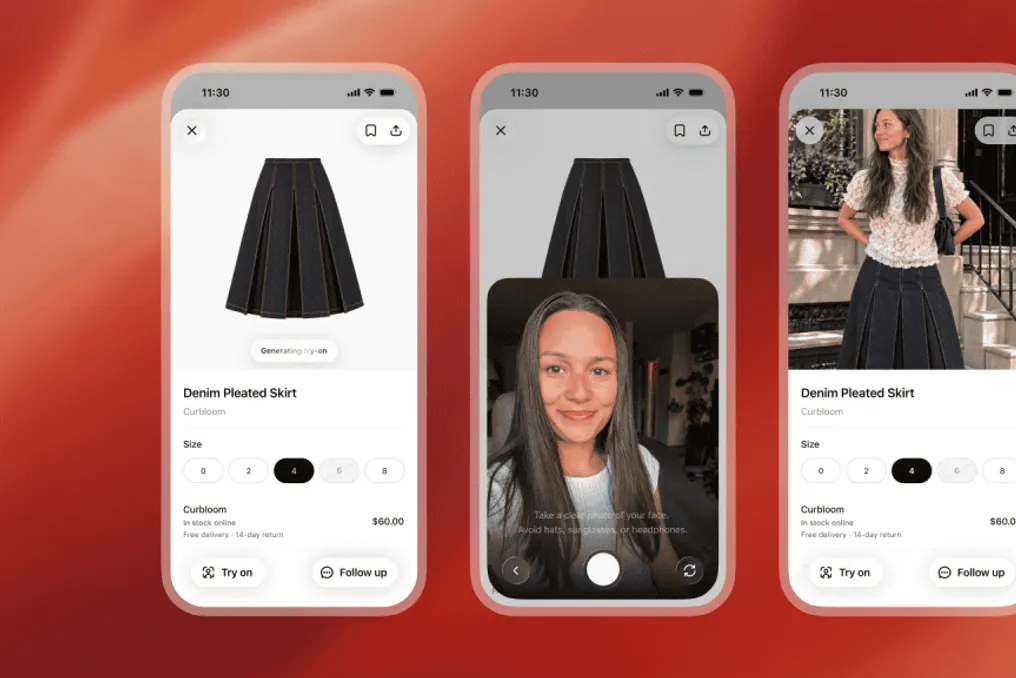
ChatGPT has received a new feature aimed at users looking for clothing and accessories online. OpenAI has started the global release of a virtual try-on feature, which allows users to demonstrate how an item of clothing might look on them using a selfie or a full-body photograph.
This new functionality is present on product pages presented by ChatGPT during shopping searches. When selecting an item or accessory, the user finds the 'Try on' button, which allows sending an image and generating a new representation with the item overlaid on the body.
Additionally, the process can be performed with items located outside of ChatGPT's direct search results. It is sufficient to send an image of the product, such as a screenshot from an online store, and ask the chatbot to show how it would look on the user.
This addition integrates a broader strategy by OpenAI, aiming to transform ChatGPT into a complete product discovery tool. In addition to virtual trying on, the user can describe the desired style and ask for suggestions of items to create a look. It is also possible to upload a photo of an outfit worn by a celebrity and ask ChatGPT to identify similar available articles for purchase.
The company has also implemented the Favorites feature, which allows users to save products found in searches to a dedicated section in the ChatGPT Library. Items can be saved individually or organized into folders for easy later access.
More information:
Despite operating as a digital try-on, OpenAI itself issues a warning that the generated images may not exactly match the real product or the user's appearance. The simulation also does not guarantee the expected size or fit of the garment. For this reason, the company advises checking the measurements provided by the seller, the product details, and the return policy before finalizing the purchase.
The technology used in these new shopping experiences is based on ChatGPT Images 2.5, a model that OpenAI claims provides more natural lighting, more detailed textures, greater ability to follow editing commands, and lower latency in image creation.
The virtual try-on marks another advancement by OpenAI in transforming ChatGPT into an online shopping portal. In March, the company had already announced a more visual product discovery experience, which included comparing options and displaying updated information directly in the conversation. Now, in addition to assisting with product location, the chatbot offers a way to preview an item on the individual before making a purchase decision.
Product results are selected autonomously by ChatGPT and, according to OpenAI, do not constitute advertising nor are they influenced by company partnerships. When there are advertisements, they are managed separately from product results.