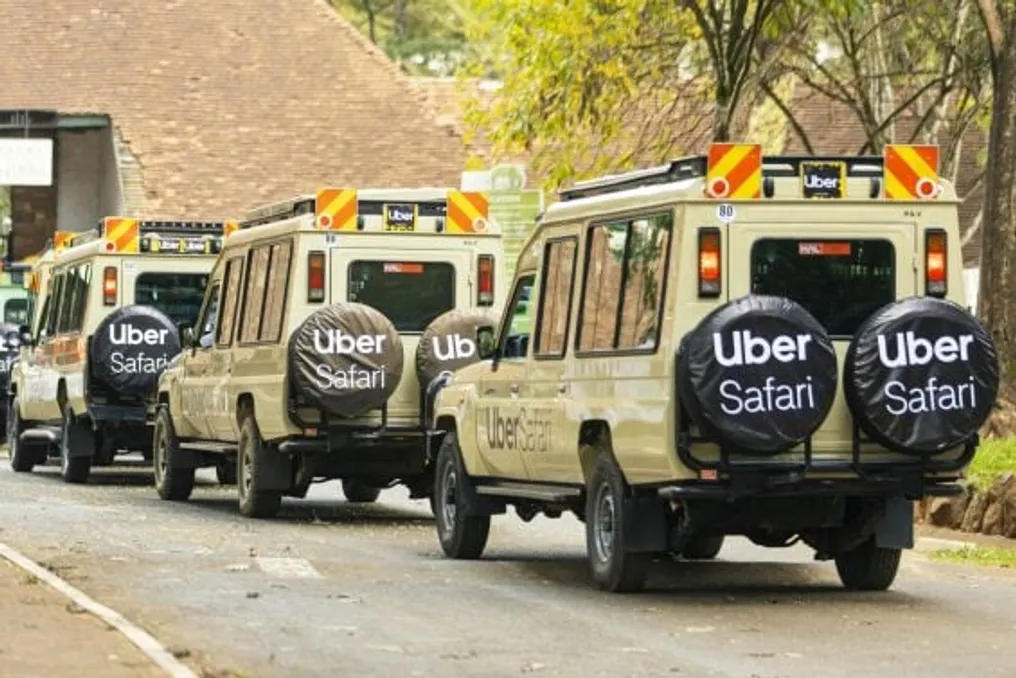
One year after its implementation in Kenya, Uber Safari, an Uber service offering guided tours in 4x4 vehicles within Nairobi National Park, has faced low adoption and resistance from local guides. To mitigate potential conflicts, the company opted to remove its brand logo from the sides of the vehicles used for the tours, as reported by the American newspaper The Wall Street Journal.
This service was launched in September 2025, coinciding with Uber's tenth anniversary in Kenya. It allows users to schedule three-hour excursions, available both during the day and at night, using Land Cruiser utilities driven by duly accredited guides.
Kenya was the second country to adopt this model, trailing only South Africa. This initiative is part of a range of the company's tourism offerings, which also includes sleigh rides in Finland's Lapland and hot air balloon flights in Cappadocia, Turkey.
The company's strategy aims to attract diverse audiences, such as business travelers in the capital for short periods, as well as tourists and local residents who have never visited the park. Daytime tours cost approximately R$ 780 (US$ 150), while nighttime tours are quoted at around R$ 1,560 (US$ 300). These prices are charged per vehicle, which can carry up to seven people during the day and five at night.
In comparison, traditional guides charge up to approximately R$ 1,010 (US$ 195) for a half-day period. It is important to note that, in both scenarios, international visitors still need to pay the park entrance fee, which costs about R$ 415 (US$ 80).
Nairobi National Park has a unique characteristic due to its proximity to the urban area and the two airports of the Kenyan capital. Covering about 117 km² of savanna, the park is home to various species, such as giraffes, zebras, lions, and rhinoceroses, allowing visitors to photograph the animals with the city buildings in the background.
Felix Migoya, president of the East African Tourism Guides and Drivers Association, which represents about a thousand guides in Nairobi, told the newspaper that the service has failed since its inception. According to him, the association advised its members not to provide services to Uber, and no guide felt safe circulating with the company's stickers due to fear of retaliation from colleagues.
Much of the initial rejection, according to The Wall Street Journal, stemmed from a widespread misunderstanding that Uber would place regular ride-share drivers inside the park, replacing certified guides and terrain-appropriate vehicles. Subsequently, the Kenya Tourism Regulatory Authority clarified that the service would exclusively use licensed guides and pre-approved vehicles.
For his part, Imran Manji, General Manager of Uber in East Africa, justified the removal of the logo as a safety measure. He mentioned that the first year was significantly affected by operational challenges, such as maintaining driver connectivity in remote areas of the park and meeting the specifications required for nighttime tours.