Volume of air cargo transportation in Uzbekistan increased by 182% over five years
Read more
UzDaily
uzdaily.uz

Volume of air cargo transportation in Uzbekistan increased by 182% over five years

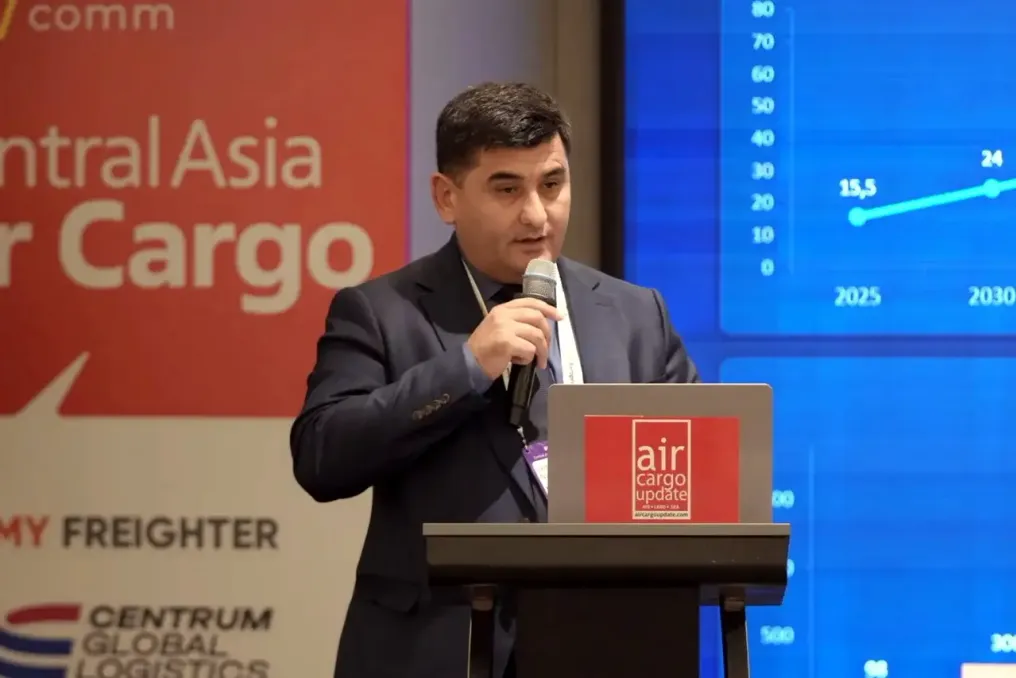
The market for air cargo transportation in Uzbekistan is showing rapid growth: the volume of air freight increased by 182% between 2019 and 2024.

These data were announced by Jamoliddin Nazarov, head of the Air Transport Department of the Ministry of Transport, at the III Central Asian International Aviation Summit on Cargo Transportation held in Tashkent.

According to Nazarov, 98,000 tons of cargo were transported through Uzbekistan's airports in 2025. Furthermore, in the first half of 2026, the volume of air cargo transportation increased by an additional 33%.

The sector's growth is attributed to Uzbekistan's geographical location, its 'open sky' policy, and ongoing reforms in the aviation industry. Currently, projects are being implemented to create a cargo hub at Navoi International Airport, build new cargo terminals, and attract international airlines.

Uzbekistan has also set long-term goals for further expansion of the air cargo market. The country intends to increase the annual volume of air freight to 300,000 tons by 2036.

To achieve this goal, Uzbekistan plans to develop airport infrastructure, enhance logistics capabilities, and implement international industry standards. Nazarov emphasized that 'Uzbekistan is open to participants in the international air cargo market and offers new opportunities.'

Similar stories

Uzbekistan's Industrial Production Grew by 8% Over Eight Months
Read more
uzdaily.uz

Uzbekistan's Industrial Production Grew by 8% Over Eight Months

According to data from the National Statistical Committee of the Republic of Uzbekistan, industrial production in Uzbekistan increased by 8% from January to August 2026 compared to the same period last year, reaching a volume of 926.5 trillion soums.

Over eight months, consumer sector inflation was 3.4%, while foreign trade turnover grew by 7.6%, reaching 57.4 billion US dollars.

Structure of Industrial Production

Production in the manufacturing industry accounted for 87% of the total industrial output. This sector saw a growth of 9.1%, and the production of electricity, gas, steam, and air conditioning increased by 11.8%. Growth was also noted in water supply, sewerage, waste collection, and disposal by 10.2%.

Within the manufacturing industry, the production of other transport equipment increased 1.4 times, and the output of leather goods, other finished goods, and basic pharmaceutical products increased 1.3 times. However, tobacco production decreased to 88.9% of the previous year's level, and the repair and installation of machinery and equipment decreased to 78.9%.

Price Dynamics and Retail Trade

The average annual increase in food prices was 1.9%, while prices for non-food items rose by 4.3%, and services by 4.7%. Housing and communal services and payments, food and non-alcoholic beverages, and transport contributed the most to price increases, accounting for 2.33 percentage points or 68.3% of the total index increase.

The most significant price increase since December 2025 was recorded in insurance and financial services, where the indicator reached 143.7% of the December level. The smallest increase was shown by educational services, which grew to 100.6%.

The volume of retail trade increased by 18.8%, reaching 370.6 trillion soums. Small businesses accounted for 69.8% of retail sales, large enterprises for 19.9%, and informal trade for 10.3%.

Trade and Market Services

The volume of market services grew by 17%, amounting to 908.6 trillion soums. The main driver of growth was trade services, which increased by 16.5%, financial services by 22.5%, accommodation and catering services by 14.4%, transport services by 15.9%, and communication and information technology services by 21.2%.

Construction works increased by 11.8%, reaching 259.4 trillion soums. Small enterprises and microfirms accounted for the largest share in construction (54.8%), followed by large organizations (25.7%) and the informal sector (19.5%).

Enterprises and Investments

As of September 1, 2026, there were 613,500 enterprises and organizations operating in Uzbekistan, excluding farms and dehqan farms. Of these, 451,900 were small enterprises and microfirms. The highest number of enterprises is registered in Tashkent (116,818), followed by Tashkent region (58,299) and Samarkand region (56,529).

During the first eight months of 2026, 60,500 new enterprises were created. The number of enterprises with foreign capital reached 21,490, including 4,758 joint ventures and 16,732 foreign-owned enterprises.

Exports and Imports

From January to August, exports decreased by 3.4%, amounting to 22.9 billion US dollars, while imports increased by 16.3%, reaching 34.5 billion US dollars. Goods accounted for 62.6% of exports, with industrial goods making up 14.1%. Machinery and transport equipment constituted the largest share of imports (32.6%), followed by industrial goods (13.9%) and chemical products (12.1%).
Propane exchange price in Uzbekistan increased by more than 60% after changes to trading rules
Read more
podrobno.uz

Propane exchange price in Uzbekistan increased by more than 60% after changes to trading rules

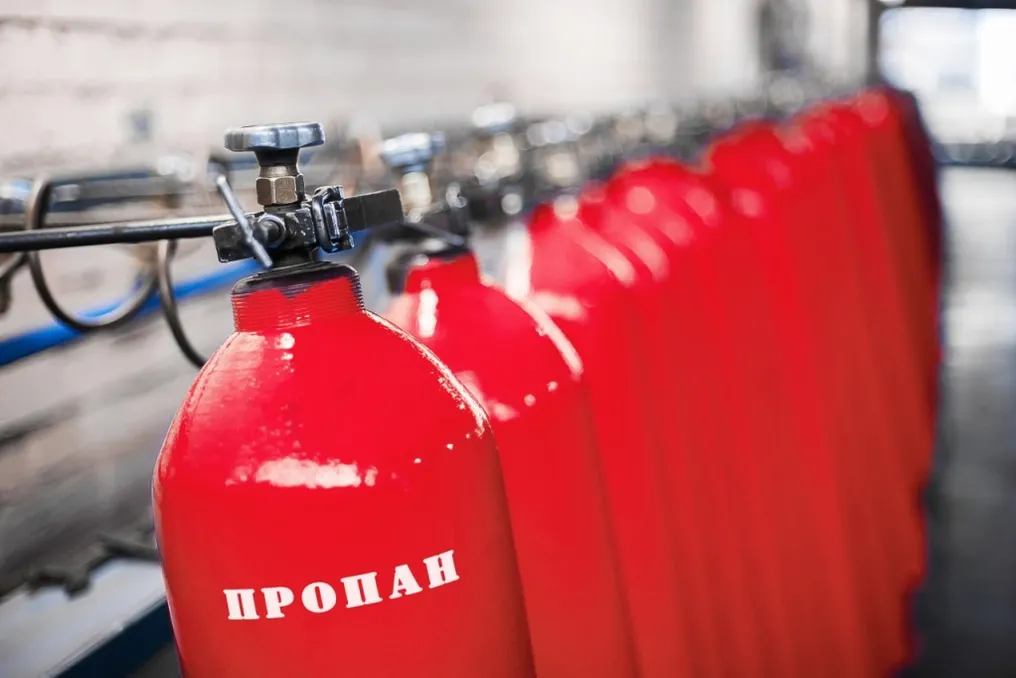
The exchange value of liquefied gas (propane) in Uzbekistan showed significant growth, increasing by 60.6% in a single trading day to reach the mark of 11.9 million soms per ton. During this period, the cost of one ton of gas rose by approximately 4.5 million soms.

According to information provided by the Uzbek Republican Commodity and Raw Materials Exchange, the average price of propane on September 17 was 11,904.9 thousand soms per ton, while the total trading volume that day reached 914 tons.

This sharp price jump is linked to the change in the regulation of the liquefied gas market. A presidential decree from September 12 established the requirement that all liquefied gas produced or imported into Uzbekistan must be sold through exchange trading, except for batches sold directly at their own stations.

Furthermore, the previously existing restriction on increasing the exchange price relative to the price declared when listing goods for trade has been abolished. This document also outlines a plan for the gradual introduction of market principles into the system of supplying liquefied gas to the population and the establishment of a new company, LPG-Trade, while maintaining priority supply to residents.

Previously, in March, the Competition Development Committee conducted an audit of the activities of major propane importers. The results of this audit led to the conviction of 31 business entities for unjustified price increases and anti-competitive behavior, resulting in collective fines amounting to 28.9 billion soms.

Popular