Uzbekistan presents plans for developing its logistics network until 2030
Read more
UzDaily
uzdaily.uz

Uzbekistan presents plans for developing its logistics network until 2030

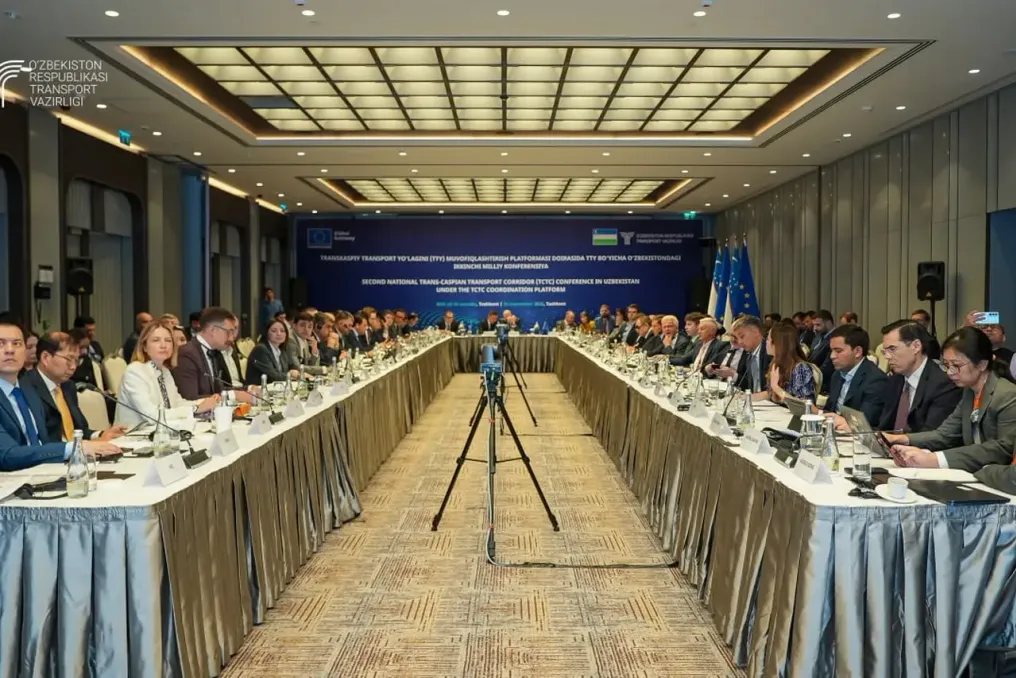
Uzbekistan demonstrated to international experts and investors the results of its work in creating transport and logistics centers, and also presented plans for expanding this sector until 2030.

The presentation took place on September 30 as part of a special session of the Second National Congress on the Trans-Caspian Transport Corridor, organized by the Corridor Coordination Platform.

Bekzod Kholmatov, Director of the Center for Research on Transport and Logistics Development at the Ministry of Transport, presented the government's vision for developing the national logistics network. He highlighted state policy in the field of logistics, including the expansion of the network of transport and logistics centers and dry ports, as well as strategic priorities and state support measures until 2030.

Between 2021 and 2026, Uzbekistan joined the UN Intergovernmental Agreement on Dry Ports, developed by the United Nations Economic and Social Commission for Asia and the Pacific (ESCAP). Furthermore, the country developed the Concept for the Development of the Transport and Logistics Sector until 2030 and established standard requirements for logistics centers.

Research on the development of the dry port network was conducted jointly with ESCAP. In 2025, over 80 logistics facilities across the country were assessed for compliance with the established requirements. As a result, 27 facilities were identified as meeting these requirements and included in the relevant registry. Of these, 24 centers were included in ESCAP's list of 'Dry Ports of International Significance.'

Uzbekistan has also implemented a system for assessing the efficiency of logistics centers and compiling rankings.

Currently, projects are being implemented to create 17 logistics centers with a total area of 739 hectares. Of this area, 462 hectares have been allocated for new projects, and the remaining 277 hectares cover projects already in the implementation stage.

Additionally, specialized zones and logistics centers with an area of up to 50 hectares each are planned for the districts of Khanabad, Yangiul, Akhangaran, Alat, and Termez.

Digitalization of the logistics system will be one of the priorities of the next stage. By 2030, it is planned to implement modern digital solutions such as TOS, WMS, and ANPR in all transport and logistics centers, after which they will be integrated into a unified national E-Logistika platform.

The presentation also noted the work on developing modern third-party logistics (3PL) operators in Uzbekistan.

In 2027, the country intends to attract more than 200 million US dollars in the form of preferential financing from international financial institutions, as well as funds under the European Union Global Partnership strategy for developing transport and logistics centers.

It is expected that the implementation of these measures will strengthen Uzbekistan's transport and logistics potential, expand the country's participation in international transport corridors, and form a modern logistics network.
Similar stories

Uzbekistan and China agree to expand transport cooperation
Read more
uzdaily.uz

Uzbekistan and China agree to expand transport cooperation

The Ministry of Transport of Uzbekistan reported that Uzbekistan and China have reached an agreement on further steps to strengthen interaction in the transport sector. The discussion took place during a meeting in China.

Discussion on the development of international transport and air services

The Minister of Transport of Uzbekistan, Ilhom Makhamov, and the Minister of Transport of China, Liu Wei, discussed the development of international road and air transport between the two countries. The parties reviewed opportunities to increase the volume of road freight transport, improve conditions for national carriers, and enhance the efficiency of logistics and transport links.

Particular attention was paid to civil aviation. The participants in the negotiations spoke about the need to increase the number of flights between cities in Uzbekistan and China, expand the route network, and create new opportunities for passenger and cargo transportation.

Signing of a Protocol on Amendments and Additions

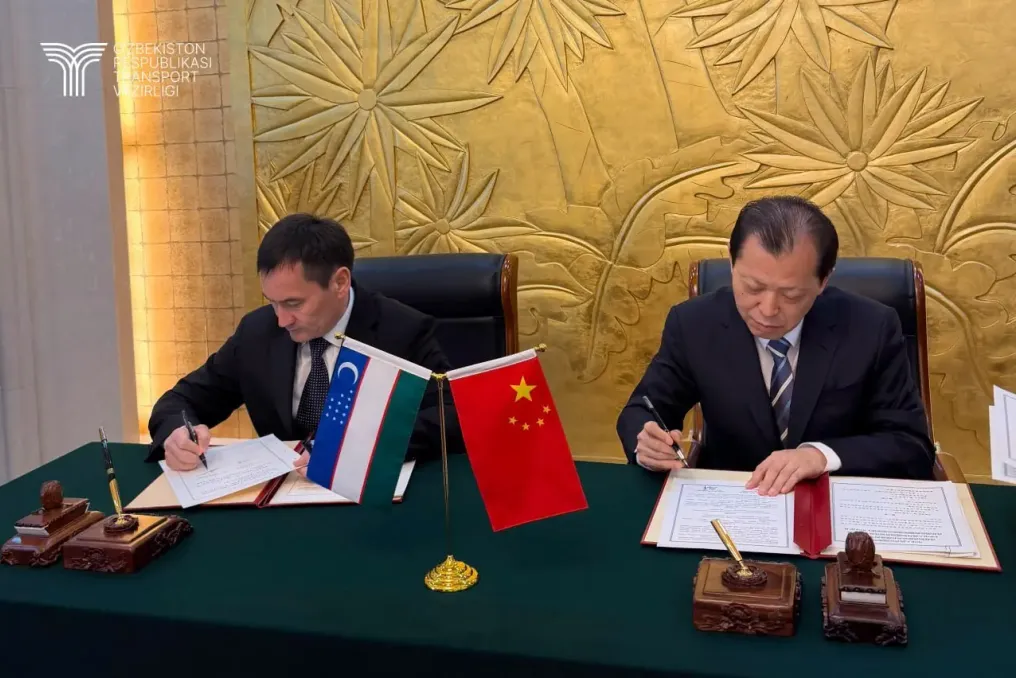
Following the conclusion of the meeting, the parties signed a Protocol on amendments and additions to the Agreement between the governments of Uzbekistan and China regarding international road transport. This document is intended to improve the legal framework for cross-border road transport and create additional conditions for its development.

It is expected that the implementation of this protocol will open up new prospects for carriers from both countries, increase the efficiency of existing transport routes, and reduce administrative barriers. Furthermore, the document should contribute to increasing bilateral and transit cargo flows.

The parties also emphasized the importance of transport cooperation for forming international corridors connecting China with Central Asia and other regions. In conclusion, Uzbekistan and China reaffirmed their interest in continuously expanding practical cooperation and agreed to continue joint work on implementing the agreements reached.

Mirziyoyev reviewed plans for the development of Uzbekistan's transport network: new airports and toll roads
Read more
podrobno.uz

Mirziyoyev reviewed plans for the development of Uzbekistan's transport network: new airports and toll roads

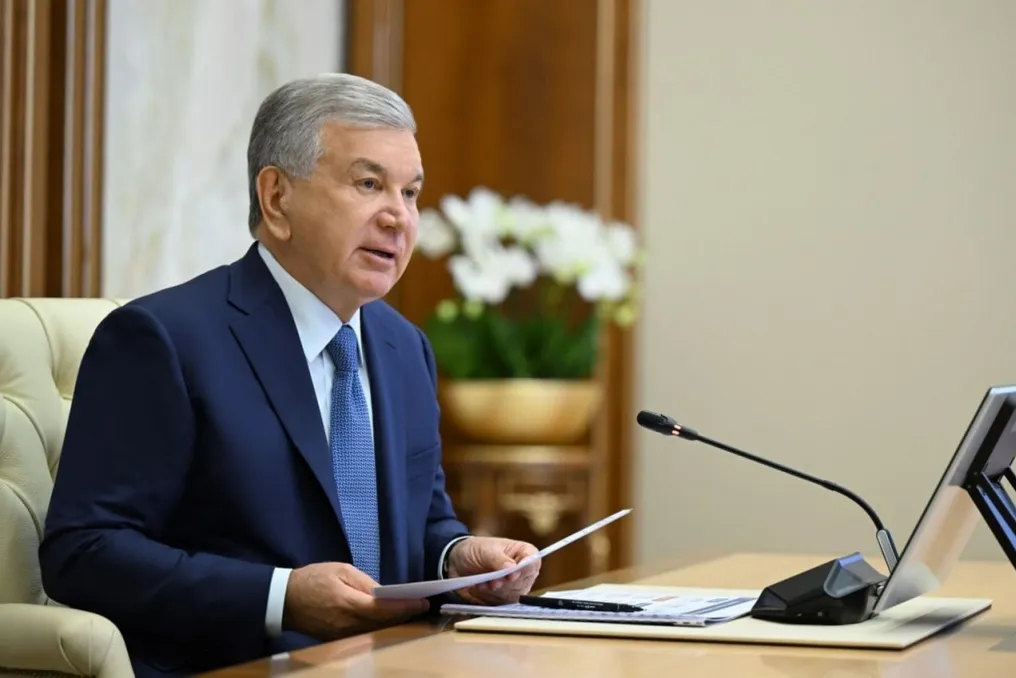
The process of improving transport and logistics infrastructure is actively underway in Uzbekistan. According to the plans, the volume of transport services should double by 2030, and $9.1 billion in investments will be attracted to the industry, allowing the export of transport services to reach $5.7 billion. President Shavkat Mirziyoyev reviewed the progress of major projects, among which are key the development of toll highways, modernization of railway communications, expansion of international transport corridors, and the formation of a modern logistics base.

Development of New Airports and Toll Roads

The construction of new airports in Tashkent and Bukhara will cost almost $3 billion. The first stage of the new international airport in Tashkent is designed to accommodate up to 20 million passengers annually; currently, preparation and relocation of engineering communications are underway at the site. In Bukhara, the necessary airfield infrastructure is being created, and an international tender is being held to attract a private partner who will be responsible for the construction and operation of the passenger terminal.

It is planned to modernize the airports in Urgench, Namangan, and Andijan, which should increase their capacity and bring service quality in line with global standards. Regarding road transport, the construction of a toll highway between Tashkent and Samarkand began in August, which will cost $2.2 billion. The country's first toll road, connecting Urgench and Khiva, is already operational. Currently, investors and funding sources are being determined for the Tashkent – Andijan and Tashkent – Bostanlyk toll road projects.

Modernization of the Railway Network

Significant attention was paid to the condition of the railway network. Since several sections on the main transit routes are already operating under high load, and an increase in industrial transport and the launch of high-speed trains are forecasted, there is a need to strengthen the infrastructure. Modernizing sections such as Maktaaral – Syrdarya, Angren – Pap, Tashguzar – Baysun – Kumkurgan, Tashkent – Samarkand, and Tukimachy – Angren will allow increasing their capacity by 25–30%. $200 million has been allocated for these works.

Furthermore, projects such as the construction of the China – Kyrgyzstan – Uzbekistan railway, the creation of a separate high-speed line Tashkent – Samarkand, as well as the electrification and expansion of regional networks and the renewal of the freight wagon fleet, were discussed.

Expanding Uzbekistan's Access to Seaports

To ensure the diversification of external cargo transportation, the country is working on developing logistics capacities in foreign ports. These ports include Aktau, Turkmenbashi, and Baku on the Caspian Sea, as well as Poti and Anaklia on the Black Sea. An agreement has already been signed to create a logistics hub in the port of Poti. The possibility of participating in the development of the Anaklia port and the construction of the Nakhchivan railway is being considered, which will provide access to the ports of Samsun and Istanbul in Turkey.

These new transport routes will allow for an increase in the export of textile, chemical, agricultural, and mining and metallurgical products. Within the country, it is planned to create 17 logistics centers and terminals in Tashkent, as well as in the Tashkent, Andijan, Surkhandarya, and Bukhara regions. There is also a task to transition transport to a unified digital system.

One of the problems in the industry is the significant share of the shadow economy, which reaches 42% in the cargo transportation sector. To solve this problem, it is proposed to introduce a unified digital transport system and carrier registry, integrate electronic orders and transport services, implement electronic waybills, expand the exchange of electronic permits, and ensure real-time tracking of international cargo. Previously, the Ministry of Transport provided clarifications regarding the procedure for issuing foreign permits for international road transport, the functioning of the rating system, and the transition to the electronic E-Permit format.

Popular