The holiday season has begun, and this time can affect the budget of many households due to rising prices for commercial LPG cylinders. The increase in the cost of these cylinders leads to higher prices for various products, including sweets and snacks. Furthermore, people are concerned about increases in the price of household gas cylinders, so they try to use kitchen gas more thoughtfully.
If you know in advance how much gas is left in the cylinder, you can avoid problems with the sudden shutdown of gas while cooking. Often, realizing when the gas will run out only comes when the stove flame begins to dim. This is especially relevant during the holiday period when the number of dishes and sweets increases, and a sudden gas shortage can cause difficulties.
However, this does not require a special meter or equipment. Several simple home methods can help estimate the remaining gas supply right at home.
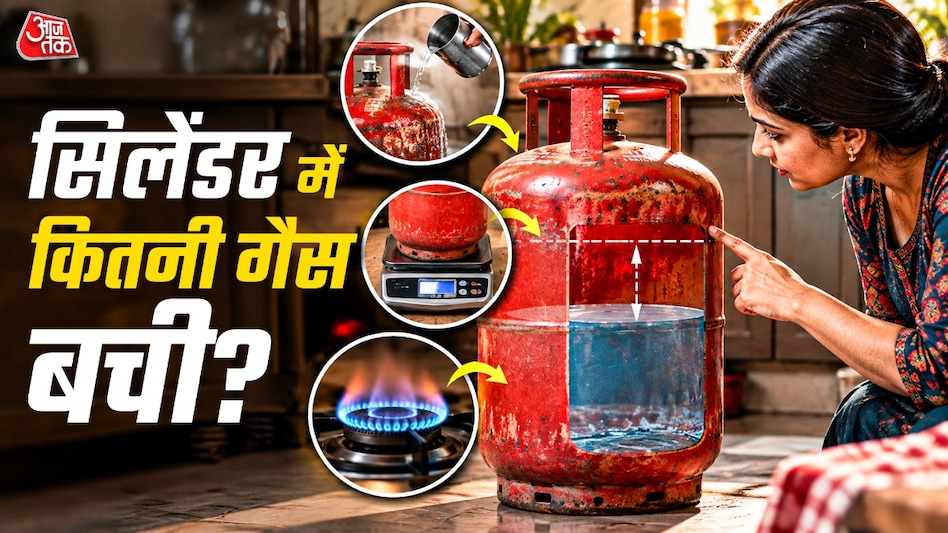
A simple way to estimate the gas level is by using water. You need to take a glass or mug and slowly pour water over the cylinder, covering it from top to bottom. After a few seconds, touch the cylinder with your hands from top to bottom. Part of the cylinder may feel cold, while another part feels normal or slightly warm.
The area that feels cold suggests the presence of gas. This happens because the liquid LPG inside the cylinder quickly absorbs heat, leading to the cooling of the outer surface in that zone. If the cold zone is located quite low on the cylinder, it means there is little gas left, and you may need to order a new cylinder soon.
If a more accurate estimation of the gas amount is required, you can check the weight of the cylinder. Each LPG cylinder specifies its empty weight, or 'tare weight'. If you have a scale at home, weigh the cylinder and determine its total weight. Then, subtract the empty weight of the cylinder from the total weight. The resulting difference will show the approximate amount of gas contained in the cylinder. For example, if the total weight of the cylinder is 28.5 kg and the empty weight is listed as 15.5 kg, then it contains about 13 kg of gas.
When the gas supply decreases, it sometimes reflects on the stove flame. If the flame seems weaker than before, or cooking takes longer, this may indicate a low gas level. However, one cannot draw an exact conclusion about the volume of gas solely based on the color or intensity of the flame, as burner contamination or other technical issues can also affect the flame. Therefore, if such signs appear, it is better to check the cylinder's condition using other methods.
Since the workload in the kitchen increases during the holidays, it is wise to estimate the gas supply in advance instead of waiting for the cylinder to run out completely. This will help avoid inconveniences related to the lack of gas at the necessary moment.