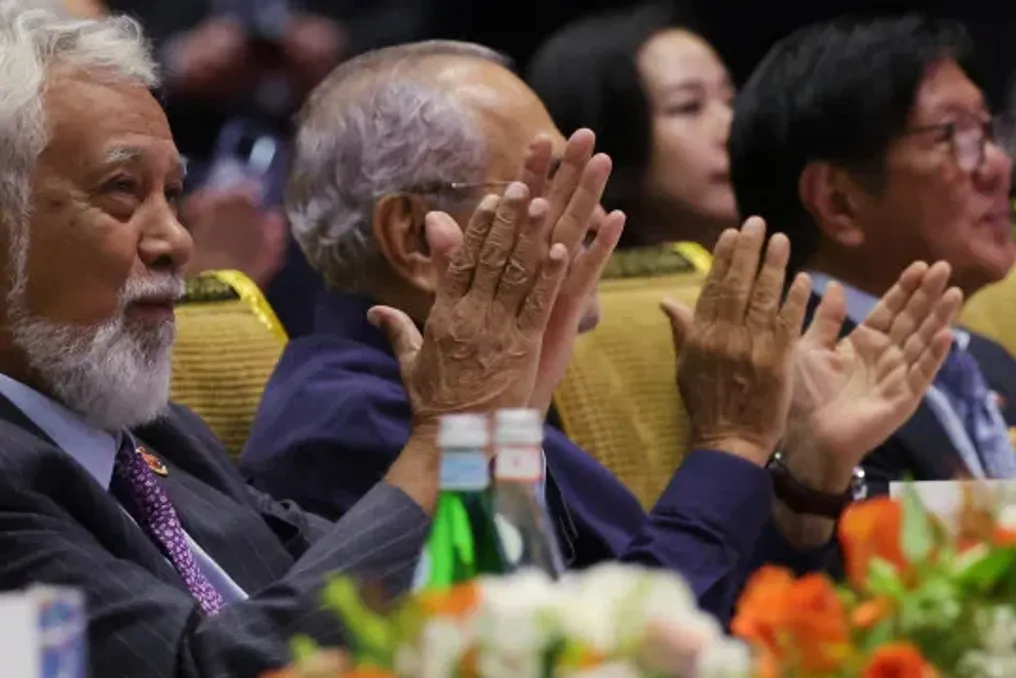
Xanana Gusmão stated that after the initial development phase, which focused on ensuring peace, building institutions, and developing national infrastructure, it is time to move to the next phase—creating a strong and productive economy.
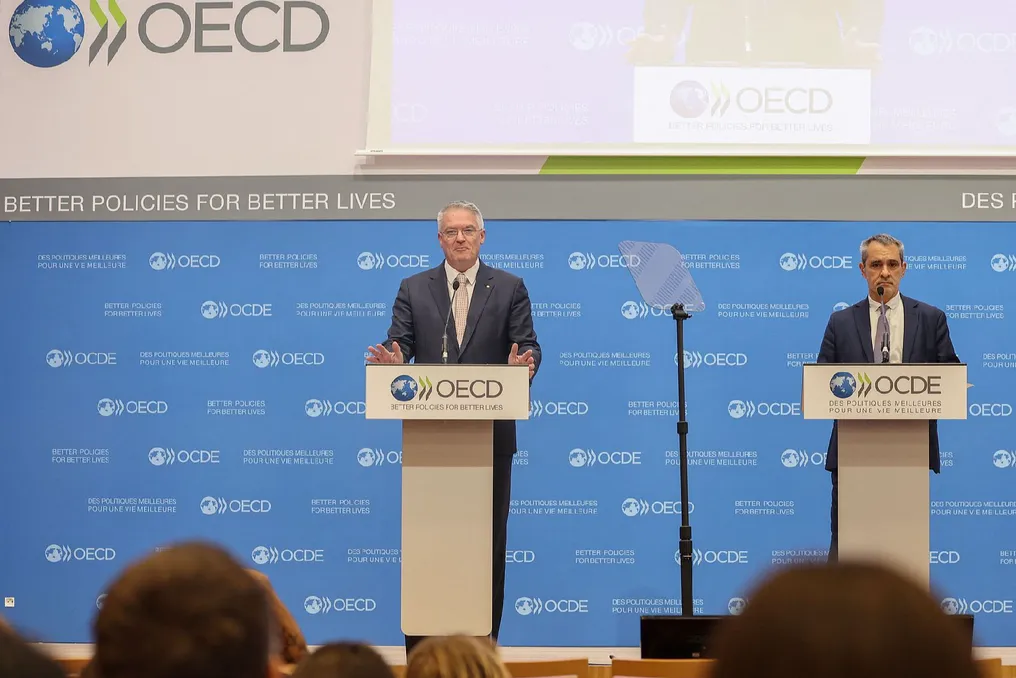
These words were spoken by the head of the executive branch of Timor-Leste during the presentation of the Progress Monitoring Report for the Strategic Development Plan (PED) for the period 2011–2020 and the National Medium-Term Plan for 2027–2030, concerning the final phase of the PED.
According to the monitoring report, progress has been made, particularly in restoring or building infrastructure such as national electrification, improving primary healthcare, and access to education. However, Xanana Gusmão emphasized that these social achievements and investments are the foundation for improving public services and future economic development, but progress is still insufficient.
Despite an increase in registered companies and improved agricultural productivity, critical obstacles remain, including persistent child malnutrition and limited creation of formal jobs in the private sector. Xanana Gusmão expressed regret that the economy is not growing at the necessary rate to provide employment and opportunities for the population.
The prime minister faces the issue of an oversupply of youth struggling to find work, and many economic activities continue to depend on the state, while most consumed goods are imported.
The National Medium-Term Plan sets specific goals, including achieving an annual growth rate of non-oil gross domestic product of 6% by 2030 and 7.5% after 2030. Furthermore, it plans to create between 5,000 and 7,000 new formal jobs annually in the private sector and increase the share of this sector in total investment to 15–20 percentage points of non-oil GDP.
Xanana Gusmão noted that these goals are ambitious but reflect the scale of economic transformation required for Timor-Leste. The medium-term plan is divided into four pillars: economic diversification, infrastructure, social development, and human capital, as well as institutional development.
The Prime Minister stressed the need to change the structure of the economy, explaining that after gaining independence, the state took a leading role, but the economy cannot rely solely on government spending. He stated that local companies are needed that produce more, invest more, and hire more people, as well as responsible foreign investment capable of bringing capital, expertise, and market access.
To achieve this goal, the plan provides for a credit guarantee regime and a financing mechanism to attract $40 million (35.4 million euros) in mixed loans for micro, small, and medium-sized enterprises. Public-private partnerships are also planned in the housing, digital infrastructure, and renewable energy sectors.
Xanana Gusmão concluded that the people of Timor-Leste fought for independence not only for the flag, anthem, and place in the United Nations; independence must also mean a tangible improvement in the living conditions of the population. In Xanana Gusmão's view, the current duty of the state is to transform the wealth of the Petroleum Fund into a productive economy that will not depend on expenditures financed by this fund.