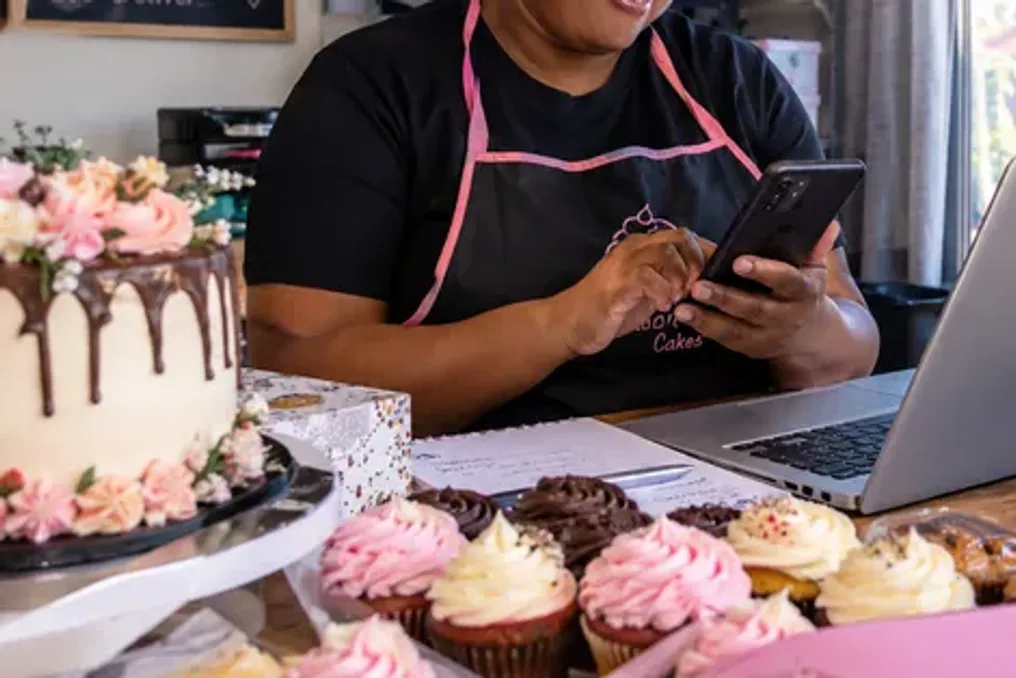
The shift to digital operations has changed how small businesses conduct their affairs, as electronic payment systems have reduced reliance on cash, and the ordering process has become more convenient and secure.
Small Business
Access to home and small business via fiber optics helps residents of South African settlements transition from subsistence trade to more stable micro-enterprises, as confirmed by recent reports and international data.
In connected settlements, households are reallocating expenses from basic mobile data connectivity to more productive uses without increasing the overall connection cost.
A reliable high-speed connection allows spaza shops, beauty salons, repair workshops, and home vendors to use banking applications, point-of-sale systems, and inventory management tools with fewer disruptions compared to mobile networks.
Beyond basic connectivity, fiber optics expands market opportunities. Entrepreneurs from settlements can list goods on online marketplaces, accept digital payments, and sell products outside their immediate areas, aligning with findings from rural areas abroad where high fiber optic adoption correlates with faster business growth and an increase in self-employed individuals.
The technology also supports remote work, freelancing, tutoring, and technology-based services that require stable upload and download speeds.
For Nomsa Dlamini, a home baker from Soshanguve, the transition from relying solely on cash transactions and word-of-mouth recommendations to fully digital operations has changed her approach to running her business.
Just a few years ago, Dlamini relied on neighbors and friends to attract customers. She took orders over the phone and received cash, which made it difficult to attract new buyers or manage a growing list of orders.
Today, Dlamini runs her business online using the fiber optic connection in her home, provided by Vodacom Fibre and operating on Vuma Reach. This internet access allows her to showcase her celebration cakes, cupcakes, and signature items on social media through photos and videos. By interacting with customers online, she has built a client base that extends far beyond her immediate neighborhood.
Nomsa noted: 'Social media has completely changed my business.' She added: 'People can now instantly see my work, share it with friends, and place an order directly through messengers. I receive inquiries almost every day.'
The move to digital operations has also impacted how Dlamini processes transactions. She now offers electronic payment options, including VodaPay, which reduces the need for cash and makes the ordering process more convenient and secure. Real-time communication allows her to confirm orders, discuss custom cake designs, and coordinate deliveries efficiently.
By utilizing these online tools, Dlamini can now reach customers in Soshanguve and neighboring settlements in the Pretoria area, creating new income opportunities and contributing to local economic activity.
Dlamini's experience reflects a broader trend across South Africa, where small businesses are adopting digital tools such as mobile payments, social media marketing, and online ordering to increase revenue and build a sustainable future.
Thanks to these services, more households in settlements gain access to fast and reliable internet. Beyond small business operations, this broadband access supports education, entertainment, and communication within these communities. For local entrepreneurs, the shift to online customer interaction and digital payments enables them to reach new markets and expand their lifestyle.