R$500 limit for contactless Pix removed; see how the new rule works
Read more
Olhar Digital
olhardigital.com.br

R$500 limit for contactless Pix removed; see how the new rule works

Starting this Thursday, the 1st, Pix made via contactless payment no longer has a fixed limit of R$500 per transaction. Customers now have the option to ask their bank to adjust or lower the authorized amount for this type of payment.

It is important to note that this change does not mean that all operations will be released without restrictions. Each transaction will continue to be subject to the previously established limits for the account and the security standards imposed by the financial institution.

Previously, contactless payment was limited to R$500. With the elimination of this restriction, it becomes feasible to make higher amounts, provided the operation is within the general limit authorized for the user's account.

This modification was formalized through BCB Normative Instruction No. 746, which was published by the Central Bank in June. Furthermore, the rule applies to transactions made via QR Code, access keys, and the non-redirection journey functionality (JSR) of Open Finance.

There will be no new single ceiling replacing the R$500. The user themselves can request the change directly from the bank, which must provide a management tool within the application. The exact procedure to make this change may differ between various financial institutions, but the option will be located in the settings related to Pix, allowing control over the values permitted for this modality.

When managing limits, it should be considered that the removal of the specific cap does not cancel the Pix protection systems. Therefore, any limit adjustment remains subject to the security protocols adopted by the respective bank.

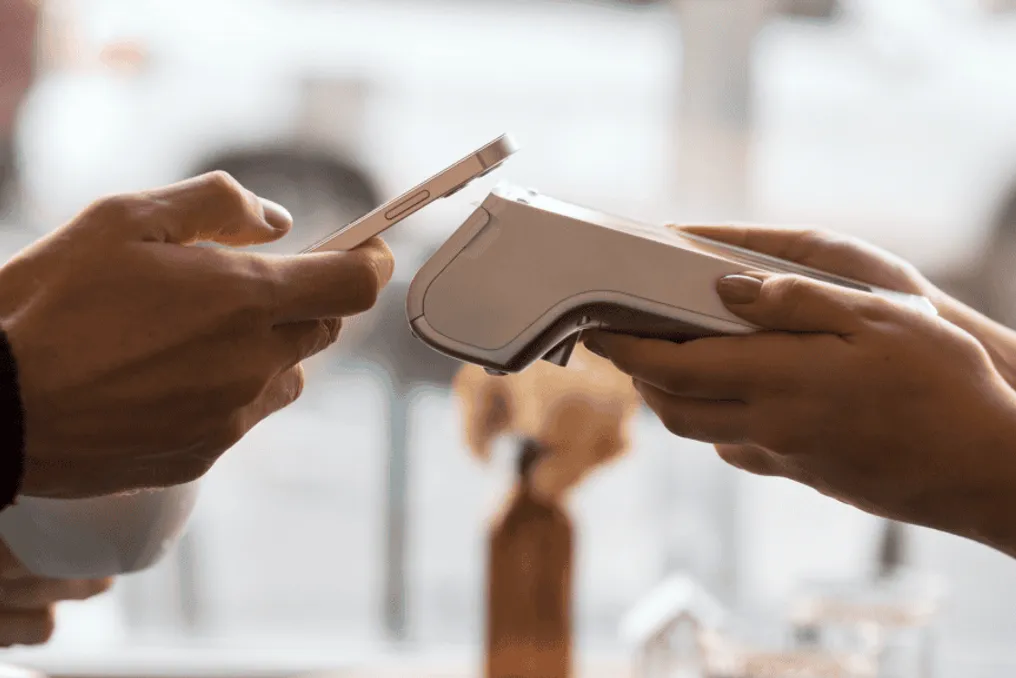
Contactless Pix uses NFC technology, which facilitates communication between the mobile device and the payment terminal without the need for manual entry of transaction data. This feature has been available since February 2025 and can be used with both the bank's application and compatible digital wallets.

More information on usage

For those who choose to use digital wallets, it is necessary to first associate the bank account with the service. During payment, the consumer must indicate that the operation will be done via Pix, verify the charged data and amount, bring the cell phone close to the reader, and complete the necessary authentication.

With the possibility of making payments above R$500, verifying the charge before authorization acquires even greater relevance. It is also advisable to keep the screen lock active and the authentication mechanisms functioning, in addition to avoiding handing an unlocked cell phone to third parties.

In terms of volume, this modality still represents a modest share of the system. In August, Pix moved more than R$3.73 trillion in approximately 8.11 billion transactions. In the same month, contactless Pix accounted for 2 million operations, corresponding to 0.06% of the total. In January, 1.06 million payments were recorded.


Similar stories

Central Bank approves changes to Pix: Automatic Pix for salary accounts and new anti-fraud rules
Read more
olhardigital.com.br

Central Bank approves changes to Pix: Automatic Pix for salary accounts and new anti-fraud rules

The Central Bank has implemented changes to Pix guidelines, aiming to expand the use of the feature in accounts designated for salaries and strengthen fraud protection systems.

The modifications also regulate hybrid billing, expedite the removal of sanctioned entities, and impose new responsibilities on banks and fintechs in case of suspected fraud.

New rules for Automatic Pix in salary accounts

Starting July 1, 2027, workers will be allowed to authorize recurring expense payments directly from their salary accounts via Automatic Pix. This modality will become the only accepted method for outgoing transfers made from these accounts.

The mechanism works such that the client authorizes the charge once, and subsequent payments occur automatically. However, receiving other transfers via Pix will remain prohibited, except for refunds and payments made by the National Treasury Secretariat.

According to the Central Bank, this change aims to align Pix standards with the latest patterns regarding interbank automatic debits, thereby expanding the functionalities of salary accounts.

Specific rules for hybrid billing

Hybrid billing has also received detailed rules and will come into effect on February 1, 2027. This model combines the conventional barcode of the boleto with the Pix QR Code in a single document.

This modality can only be used for Pix collections that have a due date and will be limited to common and dynamic boletos that are not linked to financial assets.

Changes in handling fraud suspicions

The set of rules modifies how indications of reasonable suspicion of fraud are registered in the Directory of Transactional Account Identifiers. Starting February 1, 2027, financial institutions will be required to notify the client whenever there is a marking, informing them of the registration date and the possibility of contesting it.

It will also be required that channels for clarification and review requests be provided, with a maximum response time of seven days for the user. Other rules related to these markings are already in force, including the obligation to cancel the record when there are no longer elements supporting the suspicion.

Provisions regarding the entry, maintenance, and exit of institutions from Pix also take immediate effect. Compulsory participation may be waived for institutions with more than half a million active transactional accounts, provided that customer characteristics or the business model do not justify access to the system's infrastructure.

The rules also provide for the annulment of approvals obtained with false data or important omissions, in addition to determining the immediate suspension of institutions subject to extrajudicial liquidation. Organized exit mechanisms must ensure the protection of clients of these institutions.

Additionally, there is a reduction in the period of stay for participants excluded for non-compliance with the rules. Previously, they could remain in Pix for up to thirty days after the final decision; now, exclusion will take immediate effect after the penalty notification.

Popular