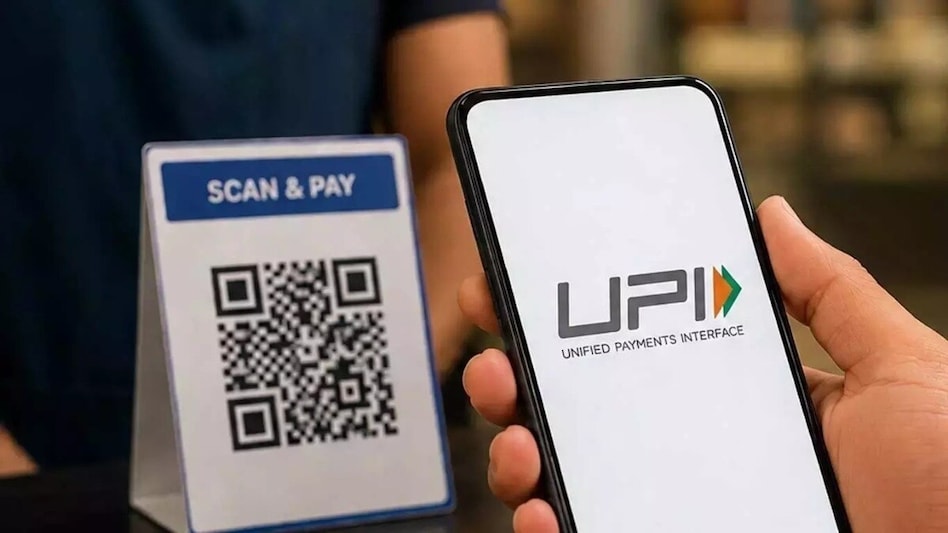
Payment methods are rapidly transforming, covering both small stalls and large stores. Whether you are buying a cup of tea or making a large purchase, using a mobile phone to scan a QR code has become a daily habit for people. UPI statistics for September reflect this trend: during this month, 24.07 billion transactions were conducted, totaling 29.37 lakh crore rupees. On average, about 802 million, or 80.2 crore, transactions were carried out daily.
This data emerged as a new MDR structure for payments to sellers exceeding 2000 rupees is introduced from October 15. Meanwhile, 'person-to-person' (P2P) transactions remain completely free. That is, sending money to family members, friends, or relatives via UPI will not incur a commission. The new system applies exclusively to payments made to sellers or merchants. It is important to note that the MDR commission will be applied to the recipient of the payment, not to the one making it.
According to data from the National Payments Corporation of India (NPCI), the number of UPI transactions in September increased by 23% compared to the same period last year, and the total transaction volume grew by 18%. In September, UPI transactions averaged 97,913 crore rupees daily. Thus, both the number and the total amount of daily transactions reached record levels.
If only considering overall monthly figures, UPI transactions in September were slightly lower than in August. In August, there were 24.51 billion transactions totaling 29.82 lakh crore rupees. However, this does not mean a slowdown in digital payment trends in September. According to Ridhi Datta, co-founder of Cashfree, the difference in the number of days must be taken into account: August had 31 days, while September had 30.
Ridhi Datta also noted that from April to August, the average daily value of UPI transactions was around 96,000 crore rupees. In September, this figure rose to approximately 98,000 crore rupees. One factor contributing to this growth is the increase in the number of transactions with larger amounts in September. Furthermore, the festival of Ganesh Chaturthi took place mid-month, which supported consumer spending and purchases. The data for September is considered important for preparing for the upcoming festive season.
Major festive sales are expected to begin in October, followed by the Diwali festival in November. Akshay Mehrotra, Managing Director and CEO of the digital lending platform Fibe, believes that 24.07 billion monthly transactions worth 29.37 lakh crore rupees demonstrate how firmly digital payments have integrated into people's daily lives. In his opinion, combining payments, lending, and technology during the festive season can expand access to financial services.
The spread of UPI is not limited to major metropolitan cities. According to Anand Kumar Bajaj, founder of PayNearby, the use of UPI is growing in small towns, rural areas, and local shops. This means that digital payments are no longer tied only to large shopping malls or online purchases; local vendors and small entrepreneurs are also actively adopting UPI.
Growth in Instant Payment Service (IMPS) transactions was also noted in September. The total volume of IMPS transactions reached 7.06 lakh crore rupees, an 18% increase compared to last year. In September, approximately 11.80 million, or about 1.18 crore, IMPS transactions were conducted daily, with an average daily value of 23,530 crore rupees.
Experts believe that the new MDR structure will not significantly affect the overall volume or cost of UPI transactions. The main reason is that most transactions to sellers are within 2000 rupees, and zero commission will remain for this amount. According to Akshay Mehrotra, the use of UPI is constantly growing, and a sustainable economic model is necessary for its future. He emphasized that a minor MDR commission will provide economic support for maintaining the infrastructure required for UPI to function. All attention is now focused on October 15, the date of introduction of the new MDR structure.