
How to prepare dry, spicy vegetable from kundru using whole spices and fennel
Read more
Aaj Tak
www.aajtak.in

How to prepare dry, spicy vegetable from kundru using whole spices and fennel

Often, when cooking kundru vegetable in families, children and adults start making remarks. Most people complain that after cooking kundru it becomes sticky, has a weak taste, or does not cook properly. However, it should be known that kundru is a very healthy vegetable, rich in fiber, vitamins, and antioxidants.

If cooked the right way, using special local spices, the taste becomes so rich and spicy that even those who usually do not like kundru begin to eat it with great pleasure. Today we will tell you the simplest and most reliable way to prepare crispy, spicy, and aromatic 'dry kundru vegetable' without using water!

For preparation you will need: 250 grams of kundru (thoroughly washed, dried, and cut into long thin pieces); 2 tablespoons of mustard oil (for better taste); 1/2 teaspoon of mustard seeds; 1/2 teaspoon of cumin; 1/4 teaspoon of asafoetida; 1/2 teaspoon of fennel (finely ground—the secret ingredient); 1/2 teaspoon of turmeric powder; 1 teaspoon of coriander powder; 1/2 teaspoon of Kashmiri red pepper powder; 1/2 teaspoon of amchur powder (for sourness); 1/4 teaspoon of garam masala; salt to taste; 2 green peppers (finely chopped); 1 teaspoon of finely chopped ginger; finely chopped fresh green pepper (for garnish).

First, the kundru needs to be washed with water and thoroughly dried with a towel (the presence of moisture can make the vegetable sticky). Then cut off both ends and slice the kundru into 4 thin pieces lengthwise. Heat 2 tablespoons of mustard oil in a pot until it smokes. Then reduce the heat and let the oil cool down a bit (this helps to eliminate the bitterness of mustard oil).

Sauté the mustard seeds, cumin, asafoetida, ground fennel, green pepper, and ginger in the oil for a few seconds. After this, add the sliced kundru to the pot. Set the heat to medium and stir constantly, frying the kundru without a lid for 3-4 minutes until it develops a light golden hue.

Add salt to taste and turmeric powder, mix. Cover the pot with a lid and cook over low heat for 5-6 minutes so that the kundru becomes soft inside (stirring occasionally). When the kundru is about 80% cooked, remove the lid. Add coriander powder, Kashmiri red pepper powder, garam masala, and amchur powder, mix. Then continue frying the vegetables without a lid over low or medium heat for another 2-3 minutes so that all the dry spices evenly coat the kundru, and the dish becomes completely crispy.

Sprinkle with finely chopped fresh green pepper on top. The finished hot, spicy, and aromatic dry kundru vegetable is ready! It is served with dal-chawal, puri, or hot parathas.
Similar stories

During Pitru Paksha 2026: 5 Animals Whose Appearance at Home Foretells Ancestral Visits
Read more
www.aajtak.in

During Pitru Paksha 2026: 5 Animals Whose Appearance at Home Foretells Ancestral Visits

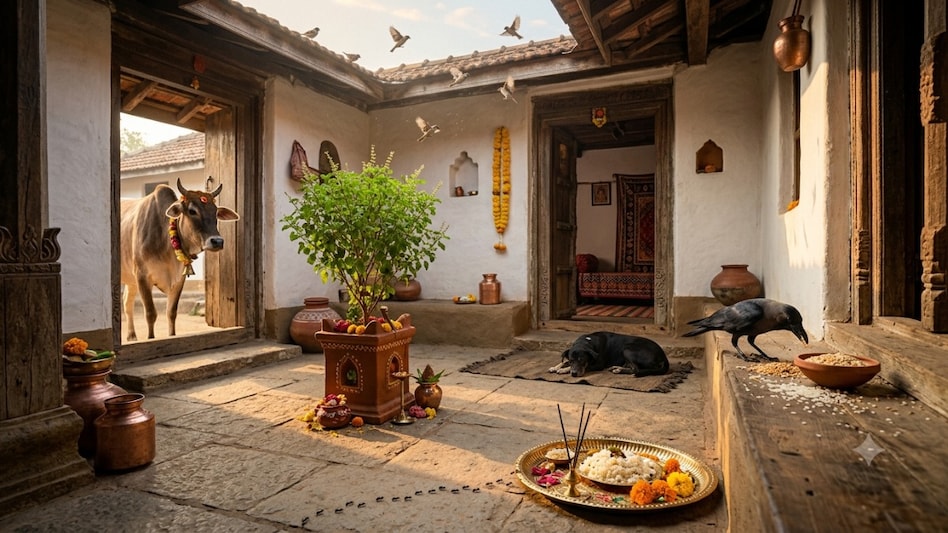
Pitru Paksha has begun, which is considered a sacred time for expressing respect, reverence, and gratitude to one's ancestors. According to beliefs, during these sixteen days, our ancestors arrive from the spirit world to bless or send signs to their descendants.

According to Gurdhar and religious scriptures, during Pitru Paksha, our ancestors may appear in the form of an animal right at your doorstep. If certain animals appear in your home or ask for food during this time, they must not be chased away or harmed. In astrology, this is seen as a direct sign that the ancestors are pleased, and prosperity and well-being will come to the household. Below are five animals considered extremely auspicious to appear during Pitru Paksha and what they signify.

The Significance of Five Animals Appearing

Crow

The crow holds special religious significance during Pitru Paksha. In sacred texts, the crow is considered an incarnation of ancestors or their messenger. If a crow comes to the roof or balcony of your house and makes sounds, or calmly eats food left by you, it means your ancestors are very pleased. This phenomenon leads to the removal of ancestral sins (pitru dosh) and the recovery of blocked funds.

Black Ants

The appearance of a group of black ants in the yard or near the kitchen is considered an auspicious sign. If black ants march in a line during Pitru Paksha, it indicates that the ancestors are freeing your home from poverty. They should be offered sugar or flour, which brings benefit to business and eases debt burdens.

Black Dog

The dog is considered the mount of the god Bhairava and is also called the gatekeeper of Yamaraja. If a black dog comes to the main entrance of your home or waits for food while wagging its tail during Pitru Paksha, it must be fed bread or biscuits. This prevents misfortune, removes the negative influence of Rahu and Ketu, and the pleased ancestors provide a protective shield.

Cow

In Hinduism, it is believed that 33 quintillion deities reside in a cow. The tradition of extracting 'gomutra' during Shraddha is mandatory. If a cow approaches your home door on its own and moos during Pitru Paksha, it is considered the best omen. Feeding the cow the first portion of bread or food for Shraddha brings health, growth of the lineage, and lasting happiness to the home.

Sparrow or Bird

Singing to or feeding a bird in the yard, on the balcony, or near a Tulsi plant is considered very auspicious. If a bird builds a nest in your home or pecks at grains you have left during Shraddha, it is a sign of ancestral satisfaction. This helps eliminate Vastu defects and soon brings good and favorable news.

Important Points to Note During Pitru Paksha

One must not hit or chase away any animal or bird that comes into the house. Clean water and grain (rice and millet) must be left for birds on the roof or balcony. On the day of Shraddha, after preparing food, a separate portion (panchabali) must be set aside for the gods, the cow, the dog, the crow, and the ants.

How to make delicious vegetable flatbread porridge (Atta Veg Khichdi) from wheat flour
Read more
www.aajtak.in

How to make delicious vegetable flatbread porridge (Atta Veg Khichdi) from wheat flour

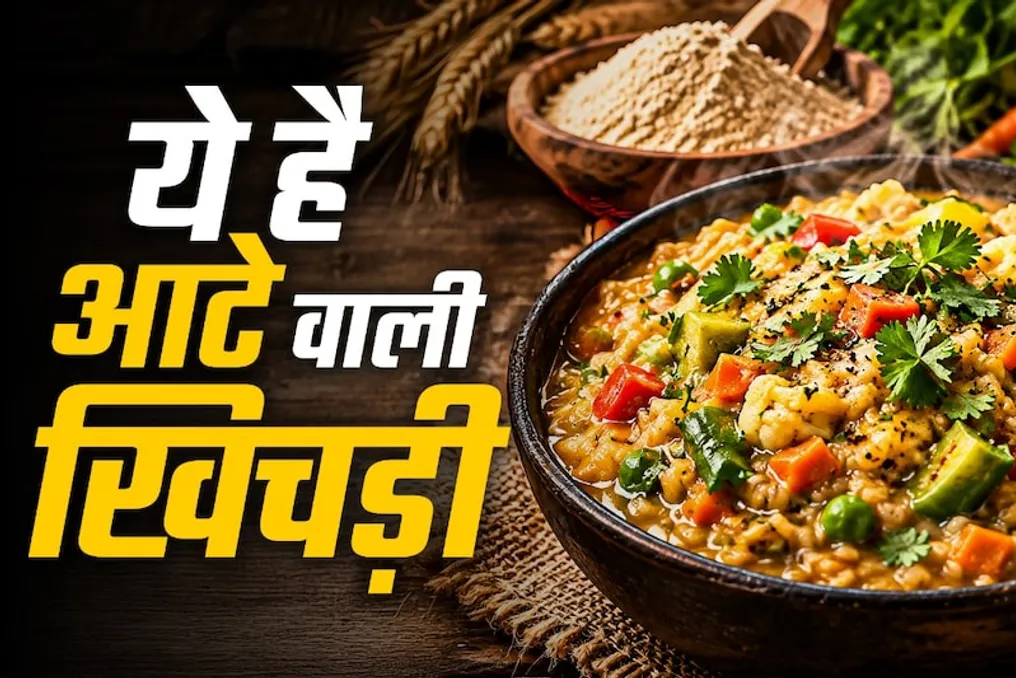
Khichdi is a dish traditionally prepared in every home. When one craves something light, easily digestible, and nutritious, the first thing that comes to mind is rice porridge with beans. However, if you are tired of rice porridge, try making a vegetable porridge from wheat flour using fresh vegetables and just one cup of wheat flour.

This recipe is not only very tasty but also easily digestible and rich in fiber. It is traditionally made in the states of Gujarat and Rajasthan, where small pieces of wheat flour or sevdiya are cooked with vegetables and spices. When this porridge is served with flavored oil and hing-jeera, its taste captivates hearts. Below is the simplest and quickest instruction for preparation!

For the dough:

1 cup of wheat flour

1/2 teaspoon ajwain

1 teaspoon of oil

Salt to taste

Warm water as needed

For the porridge and flavoring:

1 cup of mixed vegetables (finely chopped carrots, beans, peas, cauliflower, bell pepper)

1 large onion (finely chopped)

1 large tomato (finely chopped)

1 teaspoon of grated ginger and finely chopped green chili

2 tablespoons of ghee or oil

1 teaspoon of cumin and rai

1/4 teaspoon of hing

7-8 curry leaves

1/2 teaspoon of turmeric powder

1 teaspoon of red pepper powder

1 teaspoon of coriander and cumin powder

1/2 teaspoon of garam masala

Salt to taste

3 cups of water

Finely chopped green peas (for garnish)

In one pot, mix 1 cup of wheat flour, ajwain, salt, and 1 teaspoon of oil. Then, gradually adding water, knead a quite thick dough, similar to chapati dough. From this dough, form very small balls (or flatten them by hand into small pieces). (You can also lightly pulse the flour in a food processor to get coarse grains, similar to suji).

Heat 1 teaspoon of ghee in a pan and fry the prepared dough pieces over low heat for 3-4 minutes until they become slightly golden and aromatic, then remove them to a plate.

Now, heat 1.5 tablespoons of ghee in the same pot or multi-cooker. Add cumin, rai, hing, curry leaves, ginger, and green chili for flavoring. Then add the onion and fry until light pink.

After the onion browns, add the chopped tomatoes, turmeric, red pepper, coriander powder, and salt, and cook the spices until the oil starts to separate.

Next, add the mixed vegetables (carrots, beans, peas, cauliflower) to the pot and sauté with the spices for 2 minutes.

Add the fried flour base and 3 cups of water, mix well. Cover and cook on low or medium heat for 8-10 minutes until the flour and vegetables are completely soft (if cooking in a multi-cooker, set the mode for 2-3 whistles).

When the porridge becomes creamy and thick, stir in garam masala, 1 tablespoon of ghee, and finely chopped green peas. The finished hot, nutritious, and very tasty vegetable porridge from flour is ready. It is served with yogurt, papad, and pickled cucumbers.

Recipe for Crispy Khachori with Green Beans, Served with Spicy Vegetable Ragout
Read more
www.aajtak.in

Recipe for Crispy Khachori with Green Beans, Served with Spicy Vegetable Ragout

If you are tired of monotonous food like simple dal and roti all week, then this weekend is a good time to prepare something special and aromatic. Regardless of the season or the desire for a special weekend breakfast, crispy khachori with green beans will be an ideal choice.

When the filling of fried beans, seasoned with asafoetida, fennel, green pepper, and other spices, is placed in a crispy semolina shell and fried, its aroma fills the entire house.

Serving these hot, spicy, and juicy khachori with rich potato ragout creates such a delight that it is impossible to stop. Below is a simple way to prepare khachori of restaurant quality.

For the khachori dough:

2 cups semolina (or 1 cup semolina + 1 cup wheat flour)

1/4 cup clarified butter or vegetable oil (for moina)

1/2 teaspoon ajwain

Salt to taste

Cold water (for kneading the dough)

For the bean filling:

1.5 cups green beans (fresh or frozen)

1 tablespoon oil

1/2 teaspoon asafoetida (hing)

1 teaspoon cumin (jeera)

1 tablespoon fennel (chopped)

1 tablespoon whole coriander (coarsely ground)

1-2 green peppers and 1 inch ginger (grated)

1 tablespoon chickpea flour (besan) (to absorb moisture and enhance flavor)

1/2 teaspoon turmeric and red pepper powder

1 teaspoon amchur powder and garam masala

Salt and black salt to taste

Oil for frying

Preparing the dough: In a bowl, mix the semolina, salt, ajwain, and moina oil. Rub well with your hands until the flour starts to form a lump. Then gradually add cold water and knead a soft and elastic dough. Cover it with a damp cotton cloth and leave it for 20 minutes.

Preparing the filling: Lightly crush the green beans in a blender without adding water to obtain a coarse crumble. Heat 1 tablespoon of oil in a pan. Sauté cumin, asafoetida, ground coriander, fennel, ginger, and green pepper. Add 1 tablespoon of chickpea flour and fry on low heat for one minute. Then stir in the crushed beans and all dry spices (turmeric, red pepper, amchur, garam masala, salt), frying for 4-5 minutes until the mixture dries out. Let the filling cool and form small balls.

Shaping the khachori: Take a piece of dough, stretch it at the edges to form a bowl shape. Place a ball of filling in the center and carefully seal the edges, thoroughly enclosing the filling. Press with your fingers to give the item a flat shape.

Frying: Heat the oil in the pan to a low or medium heat (the oil should not be too hot, otherwise the khachori will not become crispy). Place the khachori in and let them float gently. When they start to expand and take on a light golden color, increase the heat to medium and fry on both sides until a crispy and golden crust is achieved.

Serving: The finished, crispy, and hot khachori with green beans should be served with spicy and juicy potato ragout and green paste.

Popular