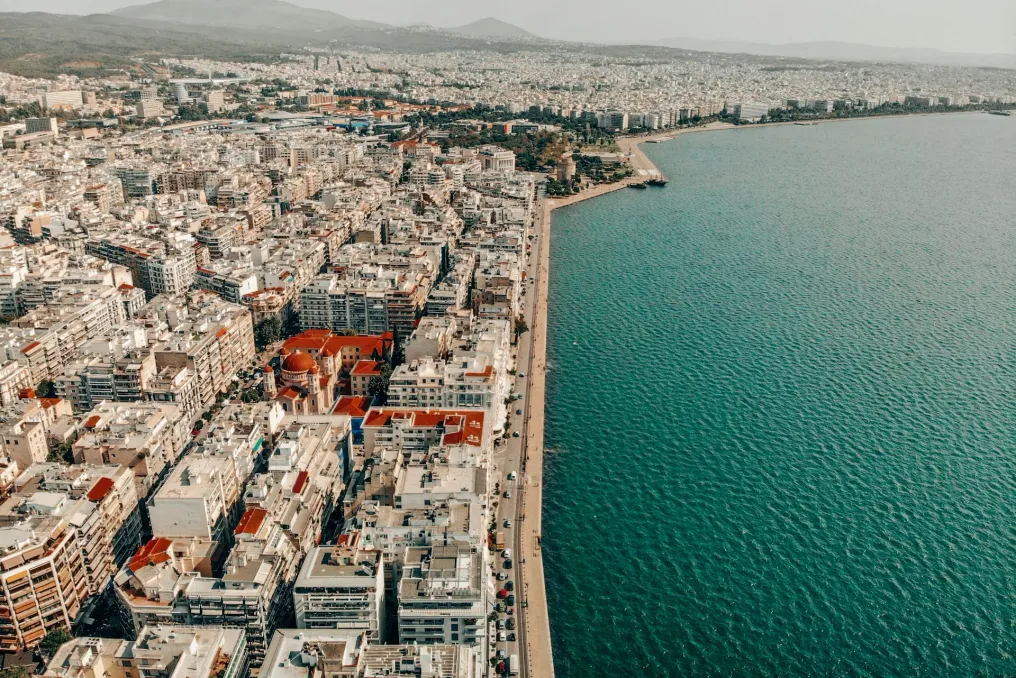
Thessaloniki Exploration: Three Days Discovering the City Beyond the Waterfront
Read more
Getaway
getaway.co.za

Thessaloniki Exploration: Three Days Discovering the City Beyond the Waterfront

Thessaloniki, Greece's second-largest city, offers numerous attractions that extend beyond the famous waterfront and White Tower. In three days, one can explore bustling food markets, Roman and Byzantine monuments, atmospheric quarters, street art, and flavors that have made Thessaloniki one of Greece's great gastronomic centers.

This city is best explored on foot, as layers of history emerge between cafes, shops, and residential buildings. Roman ruins neighbor Byzantine churches, Ottoman-era buildings, and modern street art, while traditional markets remain an integral part of daily life. The urban landscape features 15 UNESCO World Heritage sites, many of which are Byzantine churches.

A good starting point is the center, visiting the Kapani market, also known as Agora Vlali. This ancient market is one of the oldest surviving in Thessaloniki and continues to function in the city's daily life. It hosts rows of fresh produce, spices, olives, fish, meat, and sweets, alongside bakeries, coffee shops, tavernas, and meze restaurants.

Many of these stalls have been owned by families for two or three generations. A walk through the narrow streets allows one to experience the full range of sensations—sounds, smells, and sights. Nearby is Athos Square, where one can view small food stalls and relax with a cup of coffee or a meal. The surrounding streets are abundant with traditional shops and small businesses.

Next is the Modiano Market, a covered market whose construction began in 1922 and was completed in 1930 by architect Eli Modiano. This historic market is designed with a glass roof in the style of European market halls. Today, it combines grocery stores, traditional goods, restaurants, and bars.

Modiano is particularly interesting due to its connection with Thessaloniki's Sephardic Jewish culture. Its architect, Eli Modiano, came from one of the city's well-known Jewish families. The market also reflects the city's evolving gastronomic culture, offering a chance to taste local flavors while observing the intersection of traditional and modern Thessaloniki.

From the markets, one should move towards the Roman Forum and the Galeria complex, where the city's ancient history is undeniable. The Rotunda is one of Thessaloniki's most outstanding monuments. This monumental structure, built during the Roman period, served various purposes over centuries and is considered one of the city's most important historical landmarks today.

Near the Galeria Arch and the remains of the Galeria complex, another glimpse into the Roman city is provided. Instead of rushing between monuments, it is recommended to stroll through the surrounding streets. This is where the contrast begins to emerge, making Thessaloniki so appealing: ancient ruins stand next to modern cafes, university buildings, shops, and lively streets.

No gastronomic journey in Thessaloniki is complete without bougatsa, the city's famous layered pastry. This pastry is made from thin, crispy filo and can be sweet or savory. The classic sweet version is filled with cream and dusted with powdered sugar and cinnamon, while other versions contain cheese, spinach, or minced meat.

Bougatsa became especially associated with Thessaloniki after the arrival of Greek refugees from Constantinople and other parts of Asia Minor in the early 20th century. It is traditionally served with Greek coffee, forming one of the city's classic breakfasts.

In the evening, one should head to Ladika, a former commercial district located near the center. Its cobbled streets and preserved facades now house restaurants, bars, and tavernas. This historic area survived the great fire of 1917 and was subsequently transformed into one of Thessaloniki's most famous gastronomic and nightlife zones.

Instead of ordering one large dish, it is better to order several small portions. The meze dining style is ideal for Thessaloniki, allowing one to try more local flavors. Furthermore, the UNESCO monuments include churches, monasteries, fortifications, and the Rotunda. These monuments span centuries and contain important examples of Byzantine art and architecture.

Visit the Church of St. Demetrius, dedicated to the city's patron saint, and the Church of the Holy Wisdom before heading to Ano Poli. On a short trip, it is not necessary to visit all Byzantine monuments; one should choose a few of interest and leave enough time to explore the quarters between them.

The upper city, or Ano Poli, feels distinctly different from the bustling center. This area has retained its narrow streets, traditional houses, and older architectural details, offering a look at the quieter side of Thessaloniki. The elevated position of the area also provides panoramic views of the entire city.

Time should be set aside to wander without a strict itinerary. Stop at a traditional cafe, look for old houses, and follow the alleys toward the city walls. From there, one can proceed to the Vlatadon Monastery, a Byzantine monastery in Ano Poli. Its elevated location makes it a tranquil place for relaxation with a view of Thessaloniki and part of the city's broader Byzantine heritage.

From Ano Poli, one can follow the preserved city walls to Eptapirgio and the Trigonion tower. These fortifications are among the most picturesque places for walks, especially closer to evening, when Thessaloniki spreads out below. The walls form an important part of the city's Byzantine heritage and offer a different perspective on Thessaloniki's long history. Tourist authorities describe Ano Poli and the walls as places where the city's historical layers are most evident.

It is recommended to have dinner in the Upper City rather than returning immediately to the center. Traditional tavernas hidden in the neighborhood's alleys offer a chance to experience the quieter side of Thessaloniki. One should look for local dishes, grilled meats, meze, and seasonal vegetables.

The cuisine of Thessaloniki has been shaped by local traditions, as well as recipes brought by Greek refugees from Asia Minor, Pontus, and Eastern Phrygia. Thessaloniki's history is also inextricably linked to its historic Jewish community. After the expulsion of Jews from Spain in 1492, a large number of Sephardic Jews settled in Ottoman Thessaloniki, becoming an important part of the city's commercial and cultural life.

The Thessaloniki Jewish Museum provides an introduction to this history. Its building is one of the few structures in the city center to have survived the devastating fire of 1917. It currently houses collections dedicated to the Jewish community and the heritage of Thessaloniki. It is worth visiting, even if historical museums are usually not on a traveler's list, as it adds another vital layer of understanding of the city.

The history of Thessaloniki is not limited to archaeological sites. Modern street art has become another layer of the urban landscape, with frescoes and small works appearing throughout the city. Time should be spent exploring the side streets around the center and university district, instead of sticking to main tourist routes. The contrast between historic buildings, archaeological remains, and contemporary art is part of Thessaloniki's appeal.

Head to Navarin Square, where the remains of the Galeria Palace neighbor a vibrant modern district. The square is known for its youthful and alternative atmosphere, with cafes, bars, restaurants, and shops. It is particularly popular among students and remains lively throughout the day and evening. Nearby is Dimitrios Gounaris pedestrian street, which is also worth exploring, featuring shops, cafes, and quick bite spots. Scattered Roman ruins in this area serve as a reminder of the close relationship between Thessaloniki's ancient and modern identities.

Reserve part of the last day for gastronomy. Thessaloniki is part of the UNESCO Creative Cities Network for Gastronomy, and its food culture reflects the numerous communities and migratory movements that have shaped the city. Beyond obvious gyros and souvlaki, one should try koulouri, a sesame-coated bread ring sold throughout the city, or look for local sweets such as trigaona—crispy dough cones filled with cream. Bougatsa is also a must-try, regardless of whether one chooses the sweet version with custard cream or the savory filling.

The gastronomic culture of Thessaloniki also includes meze restaurants, ouzeries, tavernas, and confectioneries. Seafood, mussels, meatballs, stuffed vegetables, and other dishes shaped by the city's multicultural past are found everywhere in the local culinary landscape. The essence is not just about ticking off dishes on a list, but about understanding how food tells the story of the city.

The Thessaloniki waterfront may be its most recognizable feature, but that is only the beginning. By spending 72 hours exploring beyond it, another city is revealed: a city of markets and Byzantine churches, Roman ruins and Ottoman influence, traditional bakeries and modern cafes, street art, and old quarters. It is a city where history is not locked behind museum doors. It is woven into the streets, the food, and daily life, making Thessaloniki a particularly valuable destination for travelers who prefer to explore by walking, eating, and observing, rather than simply moving from one famous landmark to another.
Similar stories

How to spend 48 hours in Dakar exploring the city beyond the beaches
Read more
getaway.co.za

How to spend 48 hours in Dakar exploring the city beyond the beaches

Despite its location on the Atlantic Ocean, Senegal's capital offers much more than just a coastline. Over a period exceeding 48 hours, visitors can immerse themselves in the atmosphere of colorful markets, modern art, historic districts, enjoy Senegalese cuisine, live music, and the deeply moving history of Gorée Island.

The city possesses a distinct creative energy, as museums, galleries, craft fairs, and cultural spaces are integrated into the daily life of the neighborhoods. Official tourism information for Dakar advises guests to explore the markets, museums, craft centers, and vibrant local quarters as one of the best ways to get to know the capital.

How to spend two days discovering Dakar away from the beach

The first morning should begin in Plateau, Dakar's central district, where colonial-era buildings, bustling streets, and markets provide an immediate introduction to the capital. It is recommended to visit Marché Kermel, one of Dakar's most famous covered markets. There, you can browse stalls filled with fruits, vegetables, flowers, spices, and other daily goods, while the surrounding streets showcase the rhythm of city life.

This area is also close to Independence Square, the port, and the historic Dakar railway station, allowing for an easy walk between several attractions. Instead of rushing between sites, it is worth taking time to observe the city around you. Dakar is a place where markets, cafes, street vendors, artisans, and passengers become part of the overall experience.

Next, you can head to the IFAN Théodore Mono Museum of African Art, which is one of Dakar's important cultural institutions. This museum, located in a colonial-era building, houses an extensive collection of African art, including masks, sculptures, jewelry, textiles, ceramics, and musical instruments. The museum provides useful context for understanding the broader artistic culture of West Africa before exploring Dakar's contemporary scene.

If you are more interested in contemporary African art, you should look into Dakar's galleries and independent creative spaces. The city has long been an important center for contemporary African art, and the Dak’Art biennial gives its creative reputation international scope. Another option is the Boribana Museum, which focuses on contemporary art from the African continent and diaspora, featuring sculpture, painting, photography, and video in its collection.

Leaving the museums behind, you can explore one of Dakar's neighborhoods without trying to see all the sights. Medina is a good place to feel the more lively and local side of the capital, where shops, sewing workshops, eateries, and street life unfold around you.

Dakar's tourism authorities describe the city as a place to be discovered through its markets, craft centers, and colorful, vibrant neighborhoods, rather than just through official landmarks. For a different perspective, you should go to Sombédioune, known for its fishing community and craft market. This market is one of the established craft centers of the city, and the fishing activity adds another layer to the experience.

Senegalese cuisine deserves more attention, especially Thieboudienne, the country's famous rice and fish dish. Among other must-try dishes are Yassa chicken, Mafé, and various fried meats, fish, and street snacks. Dakar's gastronomic scene ranges from informal local eateries to restaurants offering more modern interpretations of Senegalese cuisine. The best approach is to leave room for several different tastes instead of planning every meal around one restaurant.

Dakar has its own energy after dark

You should look for a venue where Mbalax, a popular Senegalese musical style associated with artists like Youssou N'Dour, is performed, or find a live performance during your visit. Music in Dakar is not just evening entertainment; it is part of the city's cultural identity, and cultural venues across the capital regularly host performances and events. For example, Dakar's cultural calendar for 2026 includes musical events held at places such as the Museum of Black Civilizations.

Exploring Gorée Island

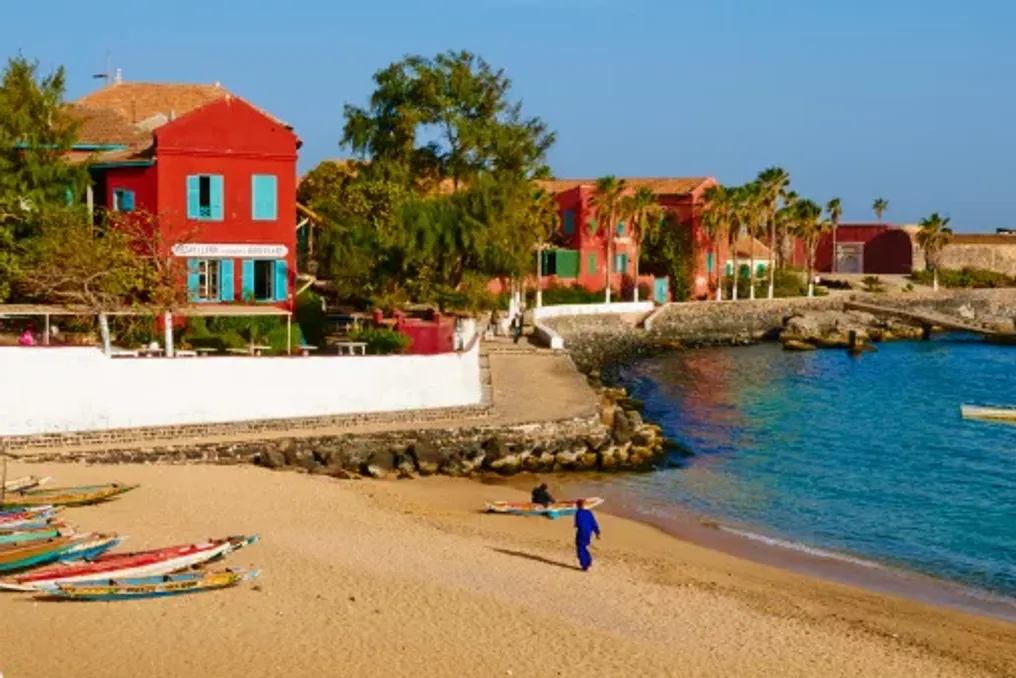
The first half of the second day should be dedicated to Gorée Island, accessible by ferry from Dakar. The crossing takes little time, but the experience changes drastically upon arrival. Gorée is known for its colorful colonial-era buildings, narrow streets, and bougainvillea, but its significance runs much deeper. The island is a UNESCO World Heritage site and an important memorial site connected to the history of the transatlantic slave trade. UNESCO calls Gorée the 'Island of Memory' and recognizes it as an exceptional testament to the history of human exploitation.

The most famous historical site on the island is Maison des Esclaves, or the Slave House. The building dates back to 1776 and now functions as a museum and memorial. Its exhibits and architecture emphasize the history and human cost of the slave trade. This place requires respectful visitation and should not be treated merely as another stop on a tourist itinerary. The history of Gorée is complex, and historians debate the exact role and scale of the island within the broader transatlantic slave trade. Today, its importance also lies in its role as a place of memory and reflection.

After visiting the museum, you should take time to stroll through the island's quiet streets, view the historic buildings, and explore small museums and galleries. The absence of cars makes walks particularly pleasant, and the island can feel significantly slower than Dakar itself, situated across the water.

Returning to the mainland, you can spend part of the day in Sombédioune. This area combines fishing traditions and crafts, offering a more everyday view of Dakar than formal museums and historical monuments. The Dakar Ministry of Tourism designates Sombédioune as a major craft center, alongside other markets and neighborhood attractions. You can view handmade items, observe the activities of the fishing community, and soak up the atmosphere before continuing along the coast.

The essence of this visit is not necessarily purchasing anything. It is important to see how traditional skills, trade, and daily life remain part of the rapidly changing capital.

Before the last evening, you should head to the Monument of African Renaissance. This massive monument is located on one of Dakar's highest points and offers a wide view of the city and the Atlantic coast. It is also an opportunity to reflect on Dakar's place in the overall history of modern Africa.

If time permits, you can continue to Mamelles, two volcanic hills on the Cap-Vert peninsula. This area is one of the sites highlighted by Senegal's tourism authorities and offers another perspective of the capital beyond its central districts.

For the final evening, it is recommended to return to gastronomy. Try another Senegalese specialty, order a dish at a local eatery, or find a place where locals gather for music and socializing.

After two days, the most memorable element of Dakar may not be one specific attraction, but the contrast between its bustling markets, creative spaces, historic streets, fishing communities, and evenings filled with music. The Atlantic is always nearby, but to understand why Dakar is one of West Africa's most captivating cities, you don't need to know the beach.

Dakar is a large and busy city, so some flexibility should be built into the 48-hour itinerary, as traffic jams can increase travel time between districts.

Access to Gorée is via the Dakar-Gorée ferry service from the port. The Port of Dakar publishes current schedules and fares for crossings, so check the official timetable before departing. Walking is suitable for exploring neighborhoods, while taxis and other local transport are useful for longer trips. If you are visiting Gorée specifically for historical sites, check opening hours before traveling. The Ministry of Culture of Senegal currently indicates that the Slave House is closed on Mondays.

iSimangaliso Park Study: Ecosystem Diversity Beyond the Beaches
Read more
getaway.co.za

iSimangaliso Park Study: Ecosystem Diversity Beyond the Beaches

iSimangaliso Park is known for its vast golden coastlines, but its most captivating stories unfold away from the sand. Within the northern KwaZulu-Natal region, wetlands, estuaries, lakes, grasslands, coastal forests, and marine habitats coexist, making it one of South Africa's most diverse protected areas.

The park was recognized as South Africa's first UNESCO World Heritage Site in 1999 and stretches along approximately 220 kilometers of coastline. Over 520 bird species are registered here, and its habitats support animals such as hippos, crocodiles, elephants, rhinos, whales, and nesting turtles.

A 48-hour trip allows visitors to experience this diversity without spending all their time on the beach. It is recommended to stay in St Lucia and use this town as a base for exploring the estuary, wetlands, coastal forests, and the wildlife-rich Eastern Shores.

Exploring Lake St Lucia

Begin by familiarizing yourself with the ecosystem that defines this region: Lake St Lucia. This estuary is one of South Africa's most vital wetland complexes, serving as a feeding, resting, or nesting ground for over half of KwaZulu-Natal's waterfowl. The lake also serves as an important fish breeding ground, as 71 out of 155 registered fish species depend on it for spawning.

The simplest way to get acquainted with the lake is by taking a boat cruise from St Lucia. Instead of searching for animals on land, you should observe the water for hippos, crocodiles, and birds along the shoreline. It is advisable to bring binoculars for spotting waterfowl and raptors, and hippos can often be seen in or near the water. The area around the lake also hosts numerous antelopes, including the waterbuck, reedbuck, kudu, nyala, impalas, and duikers.

Lake St Lucia is more than just a backdrop for wildlife viewing; its changing conditions sustain a complex wetland ecosystem, supporting an exceptional diversity of plants. Over 2180 species of flowering plants have been documented around the lake, demonstrating the immense life supported by this aquatic landscape. This underscores that animals are only part of the much larger iSimangaliso system.

Exploring the Forest Area

In the afternoon, visit the western part of Lake St Lucia in False Bay Park, where the landscape transforms from open water to sparse sandy forests. This area contains ancient deposits of fossils and shells, testifying to a completely different past landscape. Today, the forest supports birds, butterflies, and small wildlife, while hippos and crocodiles remain in the surrounding wetlands.

Three self-guided trails, including Mphofomeni, Ingwe, and Dukandlovo, pass through the sandy forest and thickets toward the shores of Lake St Lucia. This is an excellent place to slow down instead of just ticking off large animals. It is worth exploring the forest canopy for forest birds, scanning the vegetation for butterflies, and paying attention to tracks and other signs of wildlife. Swimming in the lake is not recommended due to the presence of hippos and crocodiles, so the shoreline is better suited for walks, boating, birdwatching, and simply enjoying the scenery.

Returning to town, the evening offers a chance to soak up the atmosphere of St Lucia without major organized events. The town is located near the park and serves as a convenient base for exploring the various iSimangaliso habitats. After a day spent by the water, in the forest, and in the wetlands, dinner in town brings one back to civilization before another early start.

Eastern Shores and Cape Vidal

Start early in the morning and head to the Eastern Shores section towards Cape Vidal. This is where the unusual geography of iSimangaliso is particularly evident. The route passes through coastal forest, grasslands, and freshwater ponds before reaching the Indian Ocean. The park describes the Eastern Shores as an area where scrubland, lake, and ocean meet, creating opportunities for both wildlife and bird watching.

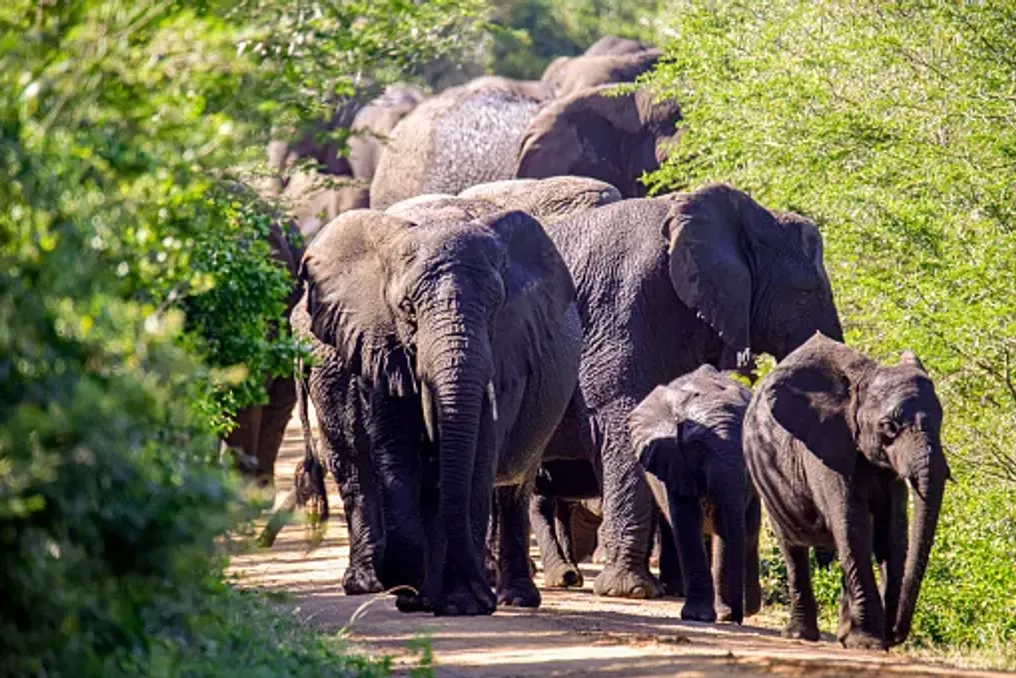
Do not rush along the ring roads, viewing the trip merely as a journey to Cape Vidal. Elephants, rhinos, buffalo, and other wildlife are found in this zone, while the freshwater ponds and forested areas attract various bird species. The Eastern Shores are especially valuable if one moves away from the idea of safari as a hunt for large mammals. The park's diverse habitats support species such as the Livingstone's Turaco, pygmy bitter, red-breasted cormorant, and southern striped eagle.

Over 500 bird species have been recorded throughout iSimangaliso. The changing landscape also offers a chance to see how different habitats support different species. A freshwater pond, a patch of grassland, and a section of coastal forest can offer a completely different wildlife viewing experience within a single morning.

Before proceeding further to Cape Vidal, take time at Mishn Rocks. The rocky shore features tidal pools, coastal views, and fossil deposits, but due to strong currents and powerful tides, it is not a swimming spot. Instead, it is well-suited for stopping, exploring the coast, and observing marine life. Depending on the season, humpback whales can also be seen in the open sea. Whales migrate along the iSimangaliso coast roughly from June to November.

The contrast makes this stop worthwhile: behind you lies a wildlife-rich protected landscape, and ahead is the Indian Ocean. Cape Vidal is where the different sides of iSimangaliso converge most clearly. The coastline borders the forest and wild landscape, and the open waters attract dolphins and migrating whales. During turtle nesting season, loggerhead and leatherback turtles come ashore, usually between November and March.

Instead of making the beach the final destination, consider how the coastal environment connects to everything else you have seen. Forest dunes form a transition between terrestrial and marine environments, and the wider park protects wetlands, grasslands, lakes, estuaries, forests, and marine habitats. UNESCO recognizes this mosaic of ecosystems as one of the defining features of the World Heritage Site.

A weekend in iSimangaliso can easily turn into a beach holiday, but this only shows one part of the park. Within the broader protected area are three main systems of lakes, wetlands, coastal forests, grasslands, estuaries, freshwater bodies, and marine environments. The park is also home to over 500 registered bird species and an exceptional range of terrestrial and marine wildlife.

Popular