Although Korean dramas are often produced thousands of kilometers away, their captivating romantic plots, multifaceted characters, and climactic moments have gained popularity among viewers in South Africa.
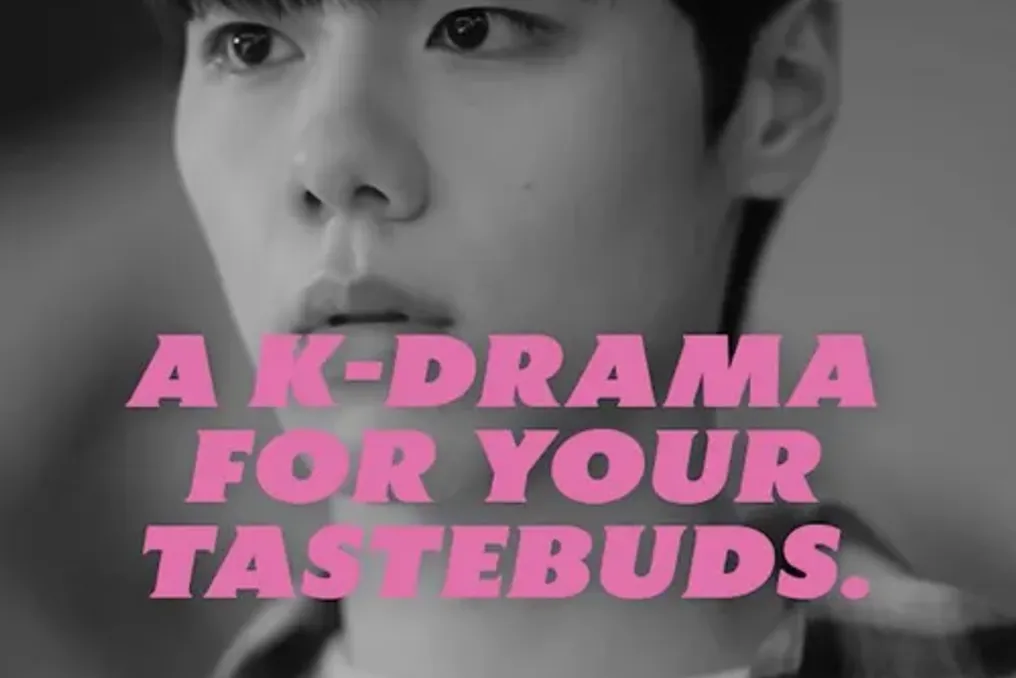
This growing interest is reflected in an unexpected place—within a fast-food advertising campaign. The latest KFC campaign uses original footage from Korean dramas, but instead of keeping the dialogues in Korean, South African actors dubbed the scenes into isiZulu, Setswana, and Afrikaans.
The result is a familiar world of Korean drama, but with a distinctly South African sound. This demonstrates how global entertainment trends are increasingly being adapted for local audiences rather than simply consumed in their original form.
Thanks to streaming platforms and social media, Korean dramas have become part of mainstream pop culture for many South Africans, as their plots, characters, soundtracks, and scenes are regularly discussed online.
For the local audience, watching Korean content does not mean a complete rejection of South African culture. Language, humor, and local references can change the perception of an international entertainment product, creating a version that feels closer to home.
This approach is at the heart of KFC's K-Dunked campaign, launched on September 22nd alongside a line of Korea-inspired Dunked chicken. Instead of creating a Korean drama featuring South African actors, the campaign retains the original drama footage, only changing the voices.
This creative choice creates an interesting synthesis of two very different cultural forms of entertainment: Korean storytelling and South African multilingualism. The campaign also highlights the growing influence of Korean popular culture beyond television.
Korean music, beauty fashion trends, fashion, food, and entertainment have reached an international audience, and South African consumers are increasingly encountering these trends online, integrating elements of them into their daily lives.
However, the appeal of the KFC campaign lies not so much in making the content 'South African,' but in demonstrating how an audience can take something from another part of the world and interact with it through their own cultural lens.
The food products being advertised follow a similar concept. The K-Dunked line is positioned as Korea-inspired, rather than traditional Korean cuisine, offering flavor profiles that combine sweetness, spiciness, stickiness, and crunch.
This distinction is important because the campaign does not attempt to present the fast-food product as an authentic representation of Korean cuisine. Both the entertainment and food elements are presented as interpretations of trends that have spread beyond their original markets. The multilingual dubbing adds another layer to this exchange.
Hearing a dramatic dialogue from a Korean drama spoken in an African language can make a distant pop culture product surprisingly familiar, while simultaneously emphasizing how diverse the audience consuming global entertainment in South Africa can be. The campaign reflects how quickly global entertainment trends can become part of South African popular culture and how brands are finding increasingly localized ways to join this dialogue.