Activists welcomed some aspects of President Cyril Ramaphosa's response to the issue of gender-based violence (GBV), but they noted the lack of a sufficiently detailed prevention strategy, ambiguities regarding accountability, and no guarantees that funding will reach local communities.
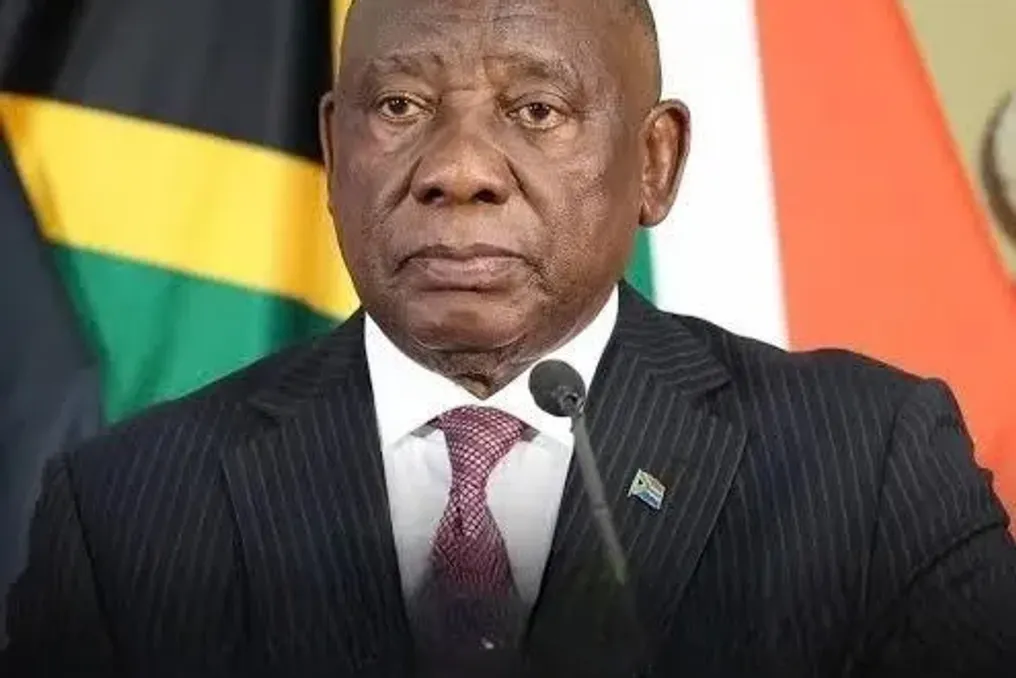
Ramaphosa addressed the nation recently, following the murder of eleven women in Ekurhuleni since July. Experts emphasized that a stronger focus on grassroots prevention was expected.
GENDER-BASED VIOLENCE
Brandon Pillay, a former Member of Parliament and chairman of the Ubuntu Community Centre in Beyview, stated that Ramaphosa called for the identification of dangerous areas, but noted that some of the most serious hotspots of violence are within the homes of women or children themselves.
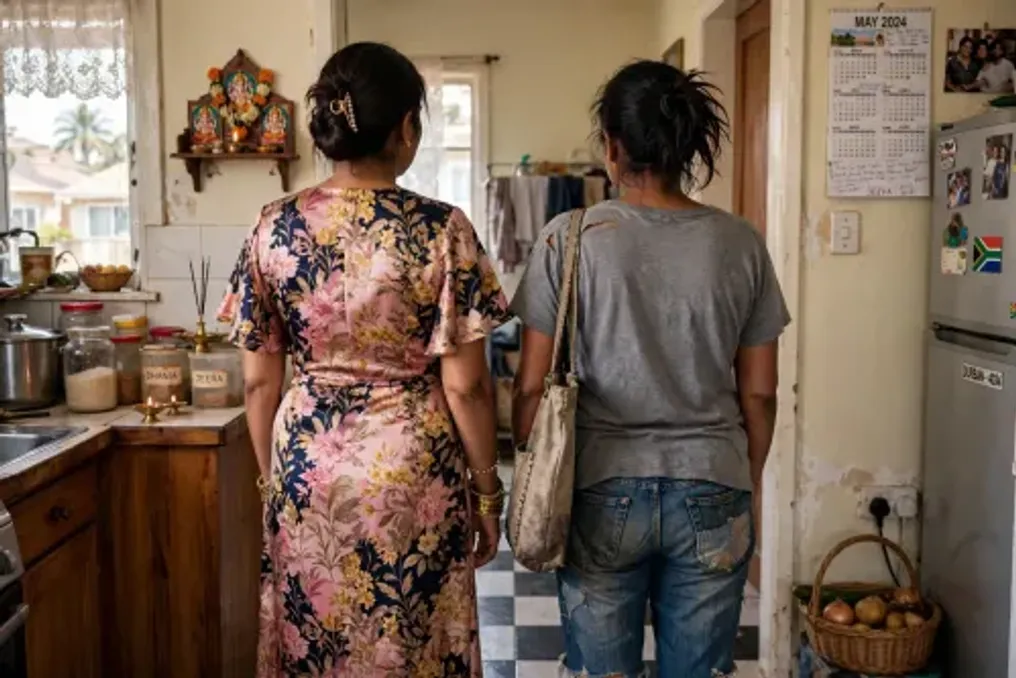
Pillay, who is also the chairman of the Beyview Community Policing Forum (CPF), believes that the traditional perception of GBV hotspots needs revision. He explained that people usually picture hotspots as dark streets, abandoned buildings, or specific geographical zones, whereas a significant portion of cases occurs inside a residence, where the aggressor is often someone known to the victim—a partner, relative, or trusted acquaintance.
He added that hotspot mapping should cover not only locations but also risky environments. The government is allocating resources to combat GBV, including additional allocations of 43 million rand in 2026/27, 45 million in 2027/28, and 47.3 million in 2028/29 for the functioning of the National Council on GBV, as well as 143.8 million rand for the national coordination programme.
However, Pillay questioned what portion of these funds actually reaches the streets where women live. He stressed that the national GBV budget does not guarantee the repair of street lighting near vulnerable homes. Clear responsibility must be established between national, provincial, and municipal governments so that there is an accountable body, budget, timeline, and monitoring mechanism for communities when carrying out tasks such as repairing lighting, clearing vegetation, or maintaining roads.
Pastor Anita Ramdhani, Deputy Chairperson of the Chatswood CPF, expressed disappointment that Ramaphosa did not present a stronger prevention strategy. Ramaphosa acknowledged that GBV originates much earlier—in attitudes controlling behaviour, disrespect, sense of entitlement, and the belief in the acceptability of violence or coercion.
Ramdhani insists that prevention must start in families, schools, religious organizations, and communities. Men and boys need to be taught respect, consent, responsibility, and healthy relationships, while simultaneously helping women and children recognize violence and seek help before the situation escalates. She cited research showing that over 60% of women killed in 2021 and 2022 were murdered by an intimate partner, meaning the strategy should not be limited only to improving street safety.
Dr. Keresha Govender, a psychologist from DSK Group, a non-profit organization dealing with GBV in northern Durban, stated that the country reflects inadequate systems that have not been properly regulated, resulting in women and children bearing the burden of these atrocities once again. She considered Ramaphosa's reaction insufficiently decisive to address current GBV issues, noting that more stakeholders must be involved in the strategy for visible change.
Vanessa Chetty, founder of The Hope Foundation, an organization fighting GBV in southern Durban, noted that the steps announced by Ramaphosa should have been a priority years ago. Although streets were named as GBV hotspots, the root cause of violence is the breakdown of families, which Ramaphosa mentioned but did not offer an adequate plan to solve.
Chetty welcomed the emphasis on involving men and boys in eradicating GBV, as well as the target timelines of 60 and 90 days for implementing action plans, but expressed doubt about their execution given hundreds of unsolved cases, delays in forensic examinations, and cases that were not investigated by investigators. She added that the practical implementation of Ramaphosa's priorities is expected, but this is not a new call to action against GBV.
Ramaphosa's Action Plan Includes:
Within 60 days, the government must identify unsolved cases, cases awaiting forensic evidence, identified suspects who have not yet been arrested, and cases facing unjustified delays in investigation or trial. Recovery plans for priority and suspended cases are expected within 90 days.
A 60-day plan is also provided to address forensic examination backlogs, and municipalities are instructed to conduct safety audits to determine where women are vulnerable, including areas with poor lighting, unsafe public spaces, and infrastructure failures. Authorities must review unsolved murders, attempted murders, rapes, and serious sexual offenses affecting women and children.
By day 90, priority and stalled cases must have recovery plans specifying necessary further actions, responsible parties, and completion deadlines. Police and forensic bodies must submit a funded plan within 60 days to reduce examination backlogs, as well as specify shortages of personnel, equipment, and necessary resources. Analyzing forensic samples related to the rape or murder of women and children must be a priority. Every municipality is obliged to conduct a safety audit for women. Within 60 days, municipalities must identify hazards such as broken streetlights, overgrown or abandoned areas, unsafe transport routes, and poorly guarded parks and facilities. Within 90 days, urgent threats must either be eliminated or included in a funded plan with set deadlines.