New regime introduced in Delhi: fuel will not be dispensed at 500 refueling stations without an environmental compliance certificate
Read more
Aaj Tak
www.aajtak.in

New regime introduced in Delhi: fuel will not be dispensed at 500 refueling stations without an environmental compliance certificate

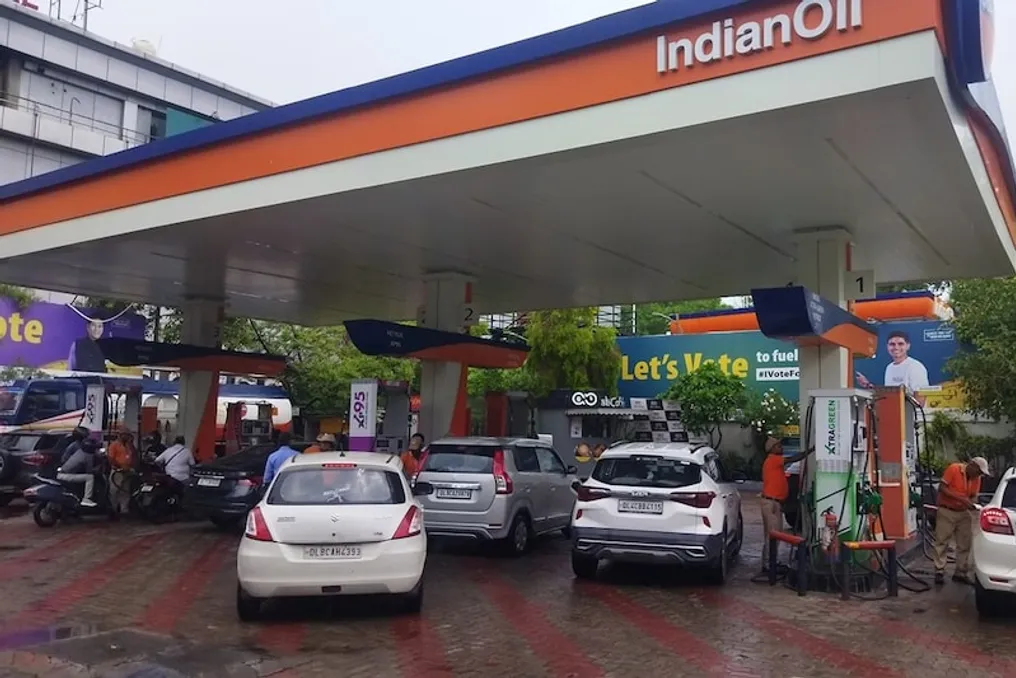
Authorities have adopted new measures in Delhi before the start of the air pollution increase period. One of the key rules is the requirement 'No Pollution Certificate, No Fuel'. According to this regulation, drivers will not be issued fuel at gas stations if their vehicle lacks a valid PUC (Pollution Under Control certificate).

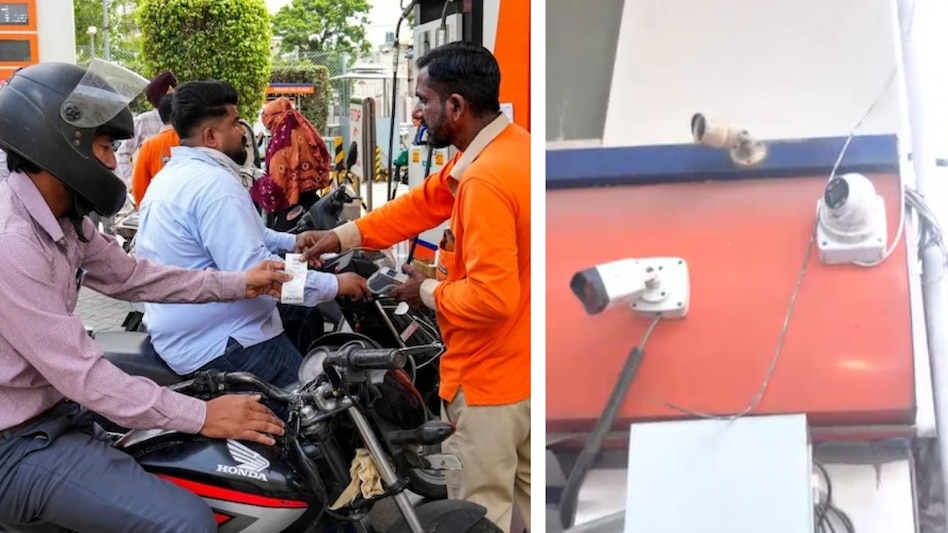
To ensure compliance with this rule, automated equipment has been installed at about 500 refueling stations in Delhi. These stations are equipped with cameras connected to a transport database. The system scans the vehicle's number and verifies the validity of its PUC.

As soon as a vehicle without a valid PUC arrives at the pump, the system recognizes its number and automatically declares that the vehicle does not have a valid pollution certificate. As a result, such a vehicle is immediately blocked from receiving fuel. This means that the vehicle owner must obtain a PUC before they can refuel with gasoline or diesel.

Furthermore, the government has provided the option to obtain a PUC directly at the gas station. Kiosks for obtaining the certificate are installed at many petrol pumps. If the vehicle's PUC is invalid, the owner can obtain it right there, after which they will be allowed to refuel. Thus, the driver will not have to visit other institutions to get the certificate.

Although the vehicle owner without a PUC may be given a certain period to obtain it, sanctions may follow if the certificate is not obtained within the specified period. Such vehicles may be fined up to 10 thousand rupees. Indeed, the problem of pollution becomes serious in Delhi every winter, and air quality worsens with the drop in temperature. Therefore, the government adopted these measures before the pollution starts to intensify.

Currently, this system operates at approximately 500 refueling stations, using cameras, a transport database, and automatic announcements to implement this rule. Although it remains an open question how much these steps will affect the level of pollution in Delhi, the effect of these measures will become apparent in the near future. Currently, the government's efforts are focused on restricting the movement of vehicles without a valid PUC and controlling pollution before it escalates.

Similar stories

Emission certificate (PUCC) checks started at Noida before refueling; many drivers were unaware of the new rules
Read more
www.aajtak.in

Emission certificate (PUCC) checks started at Noida before refueling; many drivers were unaware of the new rules

In Noida and Gautam Buddh Nagar, as of October 1, 2026, the requirement has come into force not to dispense petrol and diesel fuel to vehicles without a valid emission certificate (PUCC). This rule, introduced to reduce air pollution in Delhi-NCR, was evident on the first day at petrol stations. Aajtak employees visited various petrol stations in Noida to assess the implementation of this new system.

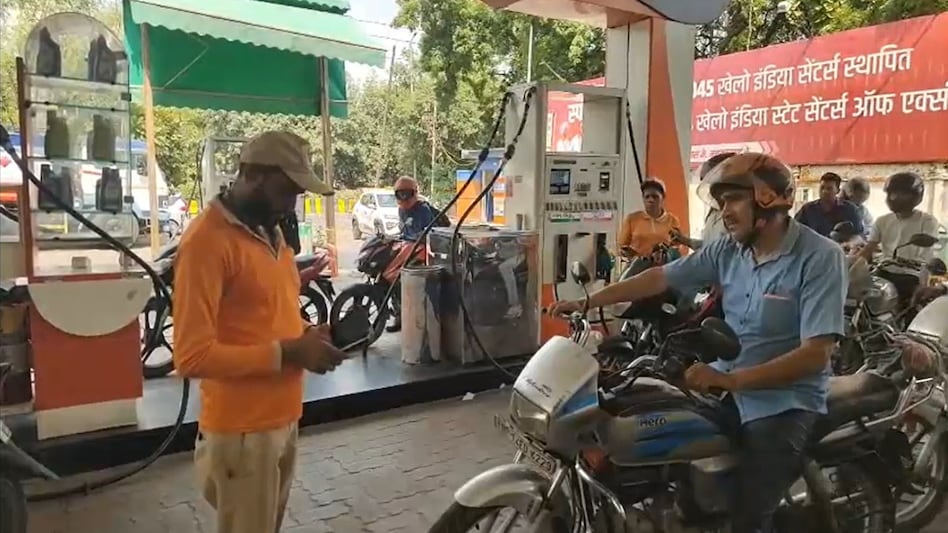
It was observed that station staff check the validity of vehicle PUCC using a mobile application. Some drivers reported that their PUCC was checked before refueling, while others were unaware that the emission certificate check was now being conducted at the petrol station.

Petrol station staff were provided with the ability to check the validity of vehicle PUCC via a mobile application. The Aajtak team observed a station employee checking a motorcycle's PUCC by entering the number into the mobile application. Thus, the petrol station now involves not only the process of fueling but also a preliminary check of the vehicle's environmental certificate.

Technical difficulties arose on the first day of launching this system: a server issue in the application was noted, which affected the PUCC checking process. Despite this, station staff continued to attempt to check the vehicles' PUCC.

Motorcyclist Yakub Khan stated that his PUCC was checked, and that he had previously undergone a pollution check. However, Yakub did not know that petrol would not be dispensed without a PUCC check. He mentioned that he learned about this system only today and promised to comply with the rules in the future. His case showed that many drivers are uninformed about the new procedure.

Another motorcyclist, Rahul, arrived at the petrol station because he had not yet been checked for pollution, but he was aware of the new rule: starting today, petrol would not be dispensed without a pollution check. Thus, some drivers were prepared for the new conditions, while others only found out on site.

Station employee Rampal Yadav said that the PUCC check of vehicles is conducted in the morning through a mobile application by entering the motorcycle's number. According to Rampal Yadav, vehicles with an invalid PUCC are sent back. He specified that three or four people had already been turned away without fuel in the morning, indicating that the rule is being applied not just formally, but also in practice on the first day.

Another motorcyclist, Sandeep Kumar, reported that his pollution was checked. He noted that his vehicle is new and all necessary documents were processed in advance. After the check at the station, his motorcycle was fueled.

On the first day after this system came into effect in Gautam Buddh Nagar on October 1, the PUCC checking process began at petrol stations. Staff used a mobile application to verify the PUCC validity by vehicle number. Vehicles with invalid PUCC were turned away. Nevertheless, the level of awareness among drivers on the first day was insufficient; some learned about the rule only after arriving at the petrol station.

Furthermore, technical problems with the mobile application's server occurred. Thus, on the first day of implementing the new system, there were both information gaps among drivers and technical difficulties. Currently, the situation is that PUCC checks have begun at petrol stations, staff are using the application for verification, and drivers without a valid PUCC are sent back, while many drivers are still not fully familiar with this new procedure.

Vehicle checks introduced in Delhi and NCR from October 1st; refueling without a valid PUC certificate will not be possible
Read more
www.aajtak.in

Vehicle checks introduced in Delhi and NCR from October 1st; refueling without a valid PUC certificate will not be possible

In the Delhi-NCR region, possessing a valid emission testing certificate (PUC) is now required before refueling a car with petrol or compressed natural gas (CNG), in addition to having money at fuel stations. This requirement takes effect on October 1st.

The mechanism was introduced to combat air pollution, which intensifies during the winter period. According to information from the Commission for Air Quality Management (CAQM), a ban on supplying fuel to vehicles without a valid PUC will be in effect across the entire NCR starting October 1, 2026. CAQM issued relevant directives in May 2026, stipulating that fuel must only be dispensed upon presentation of a valid PUC at petrol and CNG stations.

To ensure compliance with this procedure, automated license plate recognition systems have been installed at all fuel and CNG stations in Delhi-NCR. These systems allow for the verification of a vehicle's PUC legitimacy directly via its license plate. The system is being vigorously implemented across all fuel points in the region.

During the 26th meeting of the CAQM Subcommittee on Cleaning and Compliance, held on September 29, various steps to prevent air pollution in Delhi-NCR during the winter were discussed. At the meeting, instructions were given to state governments and relevant agencies to take strict action, coordinating efforts against various sources of pollution.

Measures against older vehicles that contribute to pollution are also planned to be intensified. The meeting analyzed the situation regarding restrictions on entry into Delhi for commercial and transport vehicles meeting BS-IV standards or older. Furthermore, emphasis was placed on tightening measures against outdated and end-of-life vehicles, including confiscation and scrapping such vehicles. A program for the complete removal of diesel rickshaws from NCR streets by December 31, 2026, was also reviewed.

Measures to prevent the burning of rice straw, one of the main causes of deteriorating air quality in Delhi-NCR during winter, were also examined. Methods to stop straw burning on rice fields in Punjab, Haryana, and Uttar Pradesh were discussed. CAQM insists on measures such as crop diversification, growing Direct Seeded Rice, utilizing crop residues, and conducting awareness campaigns among farmers, aiming to completely eradicate the practice of straw burning.

Attention is also being paid to combating dust from construction sites in Delhi-NCR. Emphasis is placed on increasing the number of machines for removing dust from specific pollution hotspots. The administration is also strictly monitoring emission control measures at stone crushing plants and adherence to emission standards at industrial facilities. The system of surprise inspections at construction sites, industrial enterprises, and diesel generator units is being strengthened, and instructions are being given for the timely resolution of pollution-related complaints.

If you operate a vehicle in Delhi-NCR, it is strongly recommended to check your PUC validity before October 1st. If the certificate has expired, it is best to renew it in a timely manner, as there will be issues with refueling without a valid PUC starting October 1st. You should also consider replacing or storing your vehicle if it is below BS-IV standard, as Ministry of Transport compliance groups may detain such vehicles and send them for scrapping.

Popular