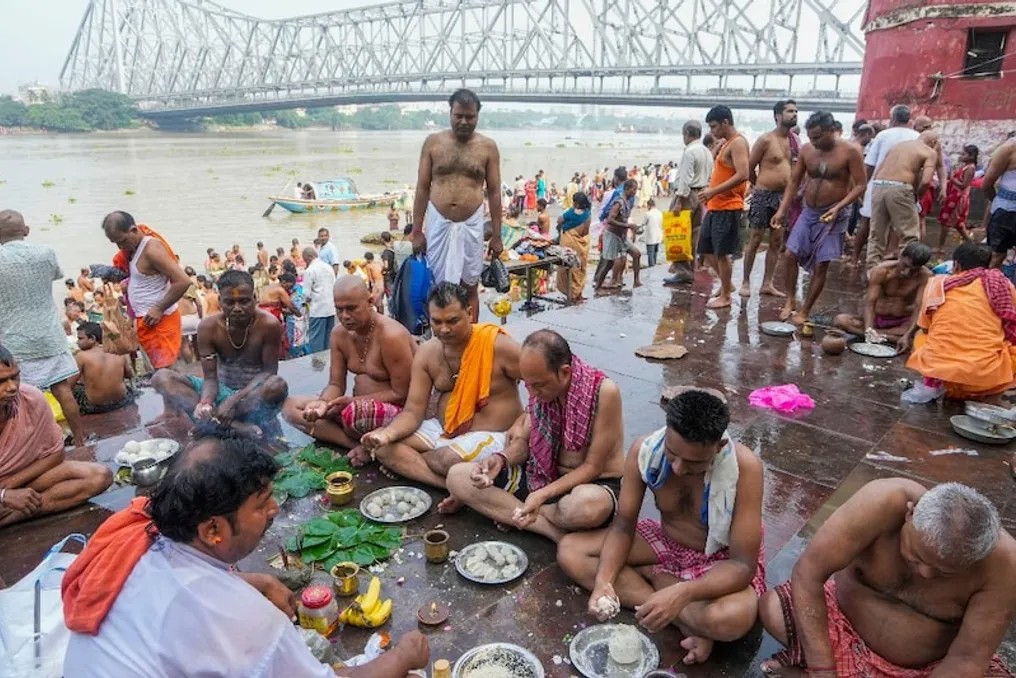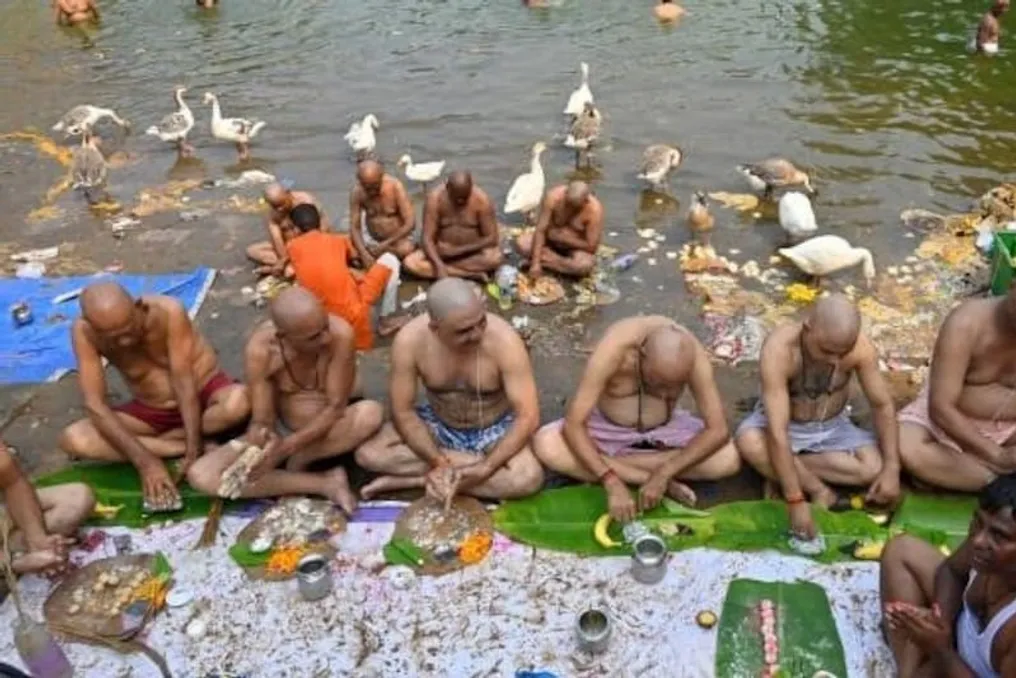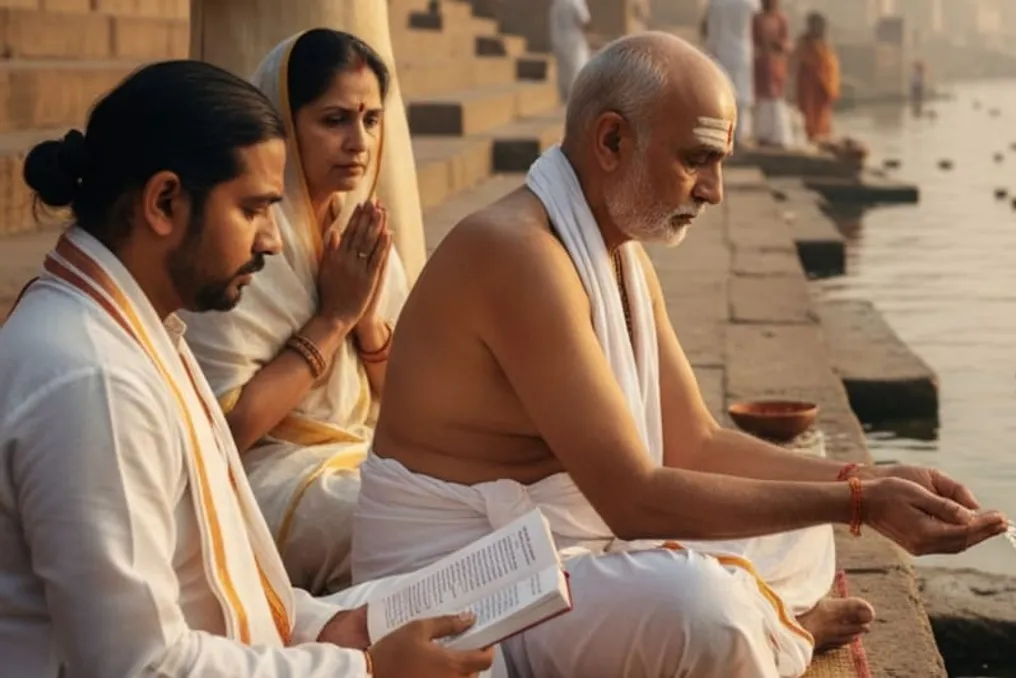
The Pitru Paksha period has begun, and there are only about nine days left until the Shraddha rituals conclude. In Hinduism, the Pitru Paksha time is considered the most sacred time for expressing respect, gratitude, and reverence to ancestors. During this period, performing Tarpan, Pindadana, and Shraddha rituals nourishes the spirits of the ancestors, allowing them to bless their descendants with happiness and prosperity. Nevertheless, the sacred scriptures lay down very strict and pure rules related to Shraddha rituals, adherence to which is considered mandatory. If the rituals are not performed according to the established rules and rites, the ancestors do not find satisfaction. The following discusses important aspects and rules that should be observed during Shraddha.
Proper time and sacred place for conducting Shraddha rituals
According to religious beliefs, all major activities related to Shraddha must be conducted exclusively in the afternoon (Aprahara Kala). Shraddha rituals should always be performed either on one's own land or at some sacred Tirthastha place.
Which ingredients are best to use in food?
During Shraddha, it is considered best to use pure ghee, milk, and yogurt from cow's milk when preparing food. Furthermore, barley, peas, kanjani, and especially black cumin seeds must be present in the dishes. According to beliefs, the more cumin used, the longer the fruit of Shraddha will last, as cumin protects the ritual from evil forces and Pisachas. Sacred 'Kusha grass' also holds special significance.
The significance of silver utensils and offerings
If financially possible, using silver utensils during Shraddha rituals and making a silver offering to Brahmins or the needy is considered extremely auspicious and brings great merit. This brings great satisfaction to the ancestors.
Special rules for inviting and feeding Brahmins
Invitation one day prior to the ritual
Selection based on the ancestor
Method of serving food
Feeding the Supatra
Panchbali Bhog
Important rules related to family and relatives
A Brahmin must be invited to a meal with due respect exactly one day before the start of Shraddha. If your deceased ancestor was male, a male Brahmin should be fed; if the ancestor was female, a female Brahmin should be fed. If the woman was 'Saubhaghyavati' (auspicious), the invitation to the meal should be addressed to the wife of the Brahmin, who is also Saubhaghyavati. The food should be offered to the Brahmin with great reverence, using both hands. He must be seated comfortably on a seat made of cloth, wool, Kusha, or a blanket. Food for Shraddha should be given only to one Supatra Brahmin, not to other needy people. After the meal, alms (Dakshina) and clothing must be given within one's means. In the dish prepared on the day of Shraddha, a portion must be set aside for Panchbali, i.e., for the cow, deity, crows, dogs, and ants. Feeding dogs and crows should be done by them themselves, while the portion for the deity and ants can be given to the cow.
Regarding the order of eating, family members can only begin eating after the Brahmins and animals/birds have eaten. If your sister, son-in-law, or nephew lives in the same city as you, they should also be invited home and fed during Shraddha, otherwise, this may anger both the ancestors and the deities. If a hungry person or beggar comes to the door on the day of Shraddha, they must never be sent away empty-handed; they must be respectfully offered food.