Although achieving ten gold medals at the 2026 Asian Games seems like a reason to celebrate, the joy is not yet complete within the Indian sports community. The reason lies not only in the current medal table but also in the benchmark of 28 gold medals achieved in Hangzhou, which has changed the standards of expectation for Indian sports.
As of the 11th day of the 2026 Asian Games, India has secured 10 gold medals, but the question remains whether this pace is sufficient to match the results of 2022. Although the number of gold medals has reached double digits, the ultimate goal is still far off.
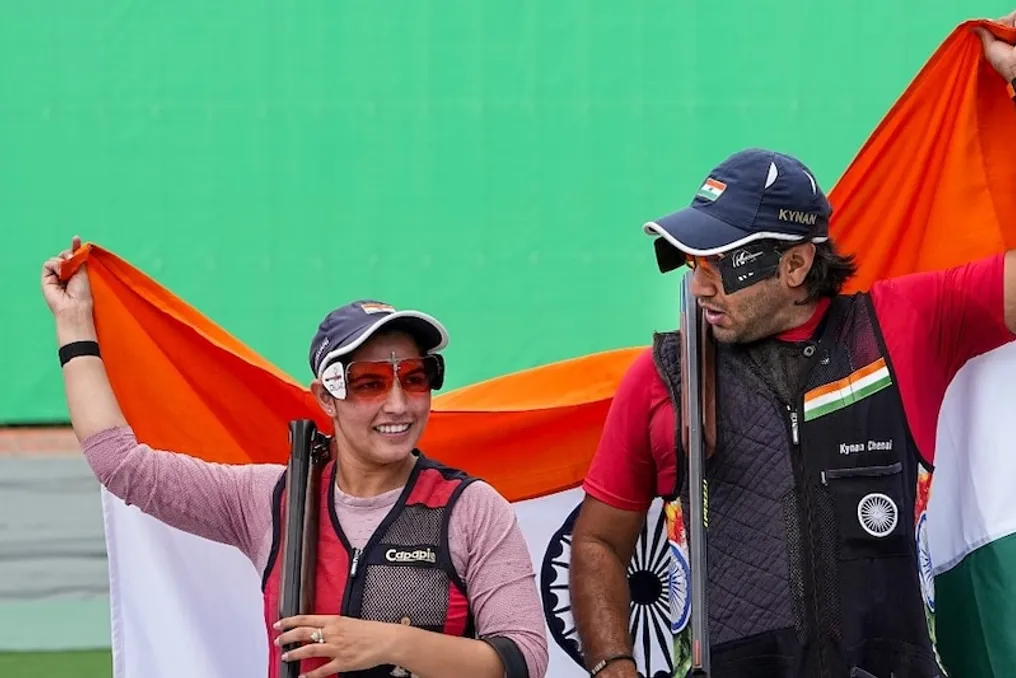
In Nagoya on September 30th, India began gaining momentum in winning gold. The women's compound shooting team, the mixed team, and the men's team each won three gold medals. Additionally, India secured gold in the mixed team trap shooting discipline. Thus, four gold medals were won in a single day, bringing India's total gold count to 10. India now has 60 medals in total (10 gold, 21 silver, and 29 bronze).
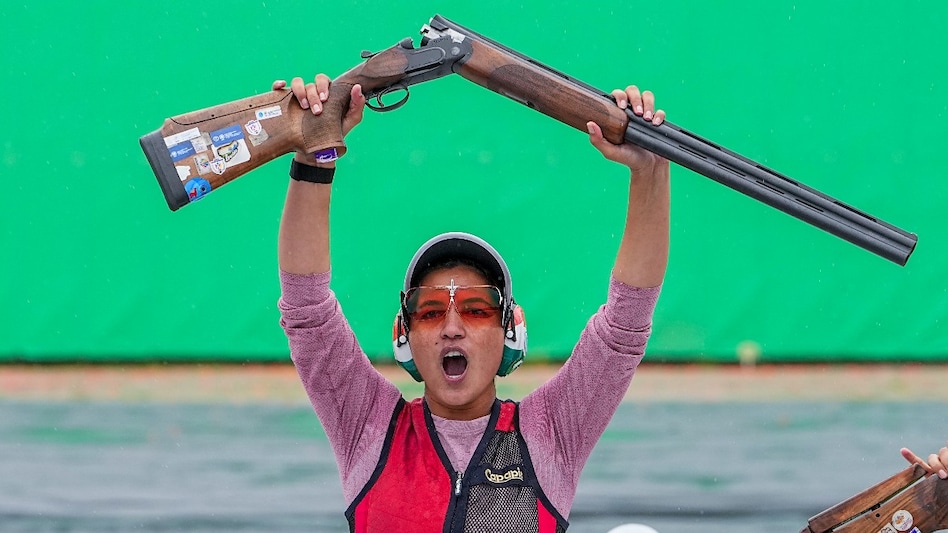
Even before that day, on September 29th, India added 6 gold medals thanks to Niru Dande in shooting and the women's 4x400m relay team. Niru became the first Indian woman to win individual trap gold. Consequently, six gold medals were added to India's tally over two days. Nevertheless, despite the rapid increase in gold medals, a serious question arises: has the Indian 'gold machine' truly performed, or was it due to sudden success in several individual sports?
The most significant benchmark for India is Hangzhou. Three years ago, India first surpassed the mark of 100 medals at the Asian Games. At that time, the country ranked fourth with a total of 106 medals and 28 gold. Now, with 10 golds in Nagoya, India still needs 18 more gold medals to match the 2022 performance.
Therefore, one cannot be satisfied with the overall medal count; it is only half the picture. At the Asian Games, the gold medal is the most important criterion.
India has indeed won 60 medals, but among them are 21 silver and 29 bronze compared to 10 gold. This means that Indian athletes consistently reach the podium, but they lack the final step to convert silver and bronze into gold.
This is an important characteristic of the campaign. Indian athletes win medals, but to increase the number of golds, they need to dominate the final competitions.
The medal table further emphasizes the challenges for India. As of the update on September 30th, China leads with 150 gold and 274 total medals. Japan is in second place with 49 gold, and South Korea is third with 24 gold. India, with 10 golds, ranks eighth.
Thus, India has strengthened its presence among major Asian sporting powers, but it is still far from China, Japan, and South Korea when it comes to gold.
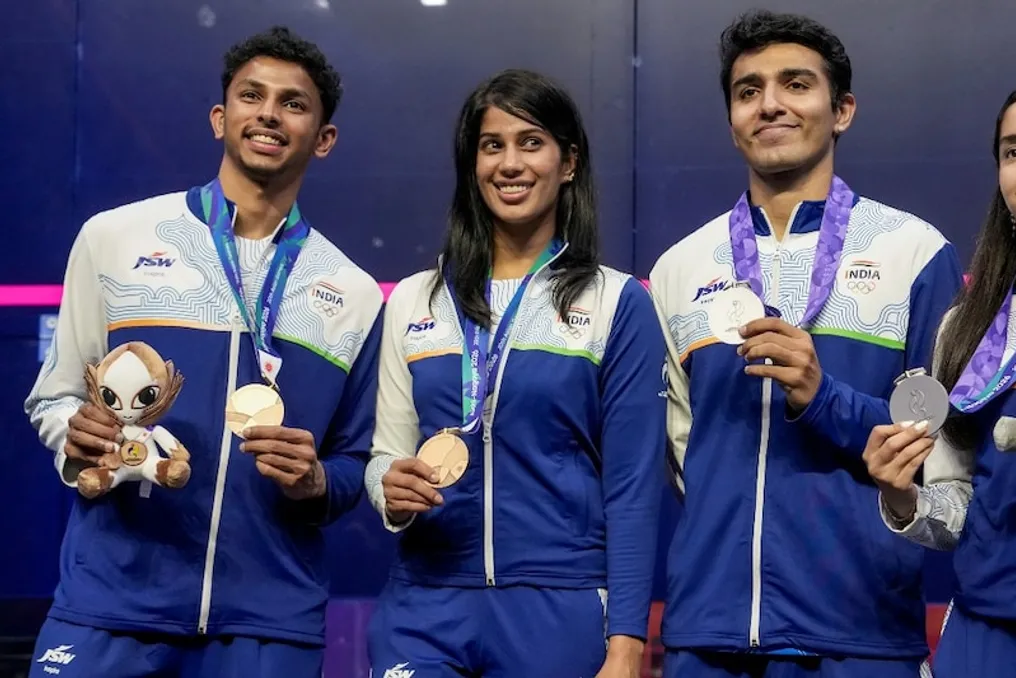
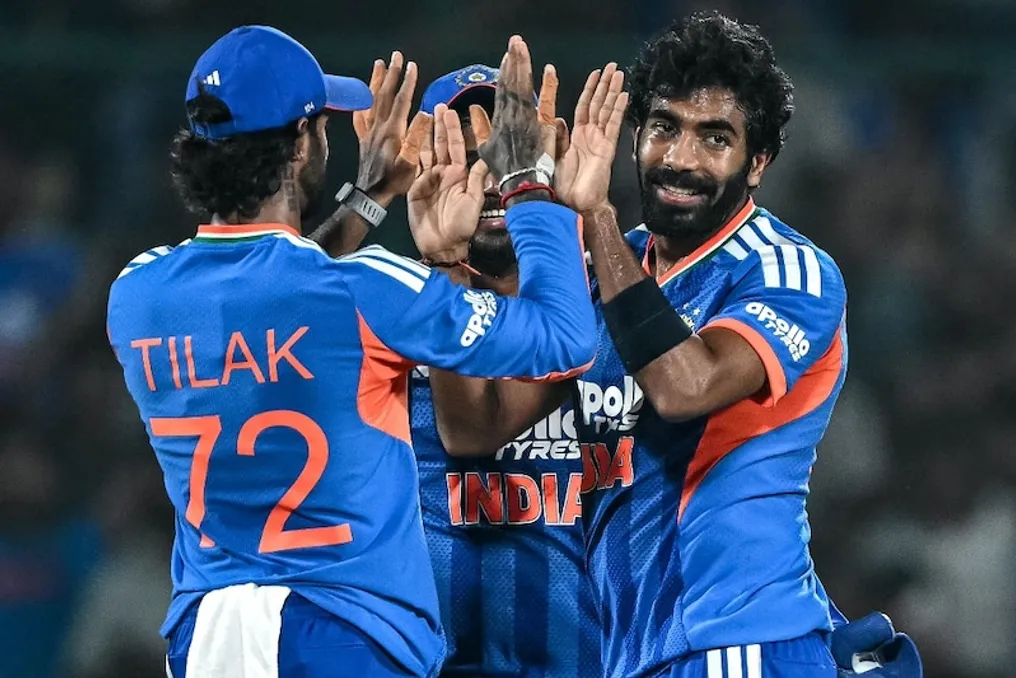
However, the story of Nagoya is not over. In the remaining days of the Asian Games, India has several competitions where hope for gold remains. Sports such as hockey, boxing, wrestling, squash, and cricket could significantly increase India's gold medal count.
On September 30th, the women's hockey team defeated South Korea 2-0 in the semi-finals and advanced to the final. Now they have a chance not only to win gold but also to secure a ticket to the Los Angeles 2028 Olympics.
That is, the coming days will determine whether the 10 gold medals will remain just an intermediate stop, or if India can raise its gold medal count to a new level.
In Nagoya, India certainly has a reason to celebrate: 60 medals is a great achievement. But due to the new standard set by Hangzhou, the story does not end at 10 gold medals. The goal of 28 gold medals is still far away, but the narrative continues in Nagoya. In upcoming matches, India has the opportunity not just to increase its medal count but also to turn silver and bronze into gold. Now every final matters, and every gold medal is priceless. India, having reached 10 golds, now faces the main question of Nagoya: at what level will it stop?