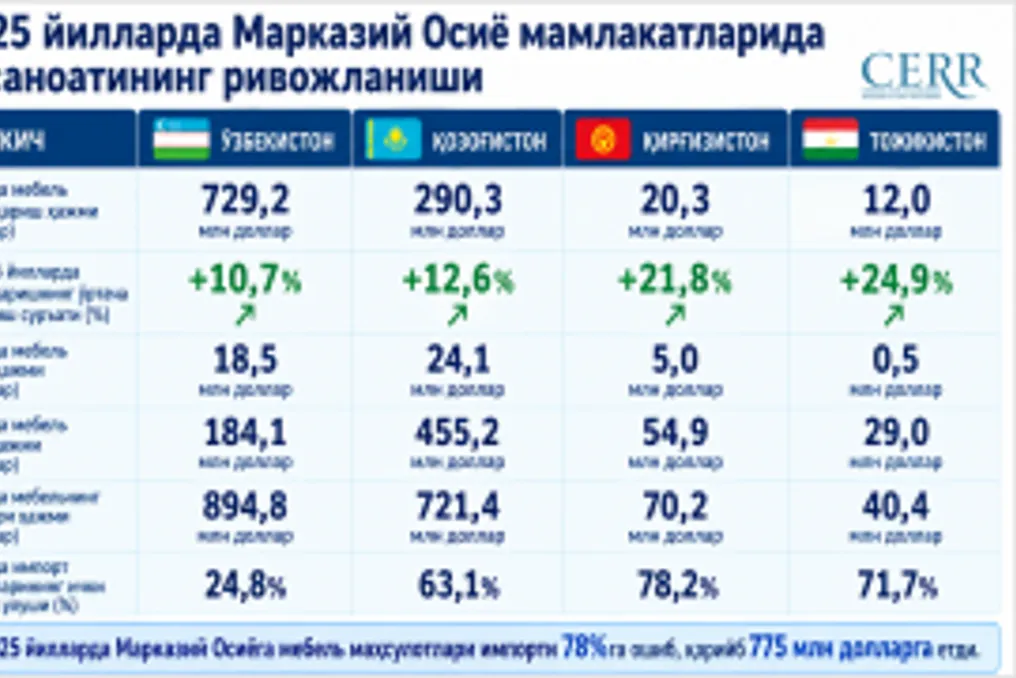
The furniture industry in the countries of Central Asia is considered one of the sectors with high growth potential.
Similar stories
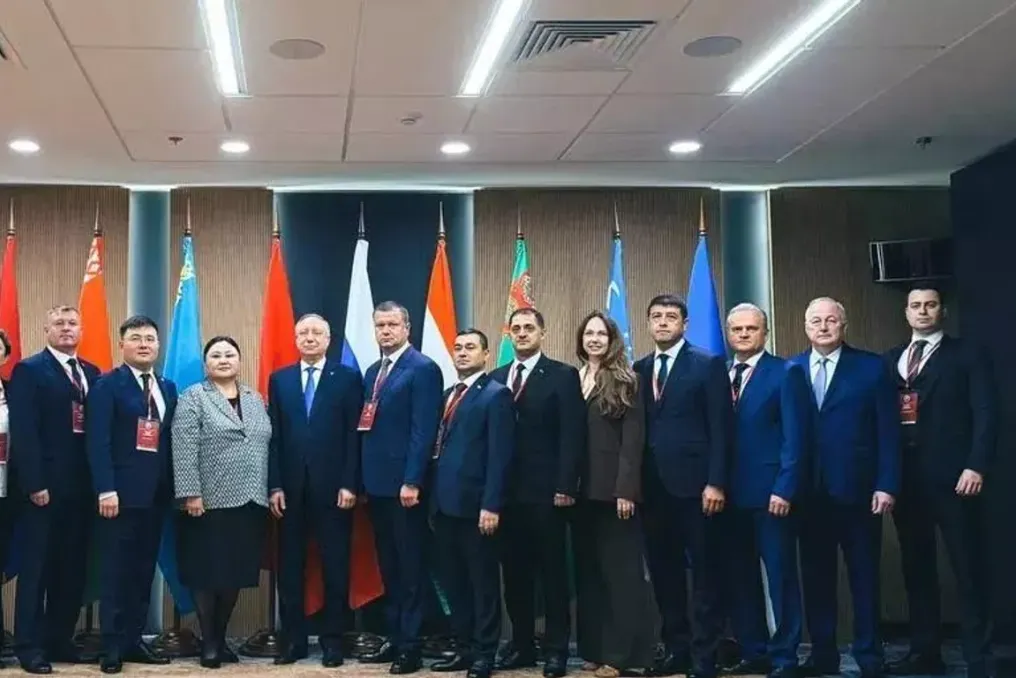
CIS States Will Accelerate Reduction of Trade Barriers
CIS countries continue to work on reducing obstacles to mutual trade, expanding free trade mechanisms, and stimulating investments.
At the meeting of permanent authorized representatives of CIS states held in Minsk, issues of reducing trade barriers, expanding free trade mechanisms, and attracting investment were discussed.
During the gathering, the issue of implementing the free trade zone agreement signed in 2011 was reviewed. It was noted that CIS states are generally fulfilling their obligations under this treaty, and the number of trade barriers is steadily decreasing.
The main focus will now be on strengthening the work of targeted working groups for the prompt resolution of trade disputes and the elimination of existing obstacles.
Furthermore, it was revealed that public procurement agreements are not working effectively enough. Negotiations on preparing documents for the reduction and phased abolition of export duties, as well as transit via pipeline transport, have stalled.
It is planned to more widely utilize new opportunities for free trade in services and investments within the framework of good neighborliness. At the same time, attracting and stimulating mutual investments by 2030 may become one of the key instruments.
The meeting also discussed preparations for the meetings of the CIS Foreign Ministers' Council, which will take place on October 7, and the CIS Heads of State Council, scheduled for October 9 in Turkmenistan.
The next meeting of the CIS Prime Ministers' Council is scheduled to be held in Moscow in December.
MyGov platform implements voice assistant, application submission, and document recognition functions based on AI
The implementation of voice assistant capabilities, voice application submission, and automatic document recognition is planned for the MyGov platform. These solutions are based on artificial intelligence and are designed to simplify the use of public services through the MyGov platform.
Asliddin Abdufattohov, a representative of the Digital Government Project Management Center, announced this during the ICT Week Uzbekistan event. He noted that three solutions are planned for launch to facilitate citizens' interaction with government services on MyGov.
The first project is AI Assistant MyGov, which will act as a voice and text assistant. It will help users find the necessary public service and understand how to use it.
Furthermore, thanks to the MyGov Speech-to-Text system, users will be able to fill out applications using their voice. The Document AI system will simplify work for both citizens and civil servants by reading and recognizing paper documents.
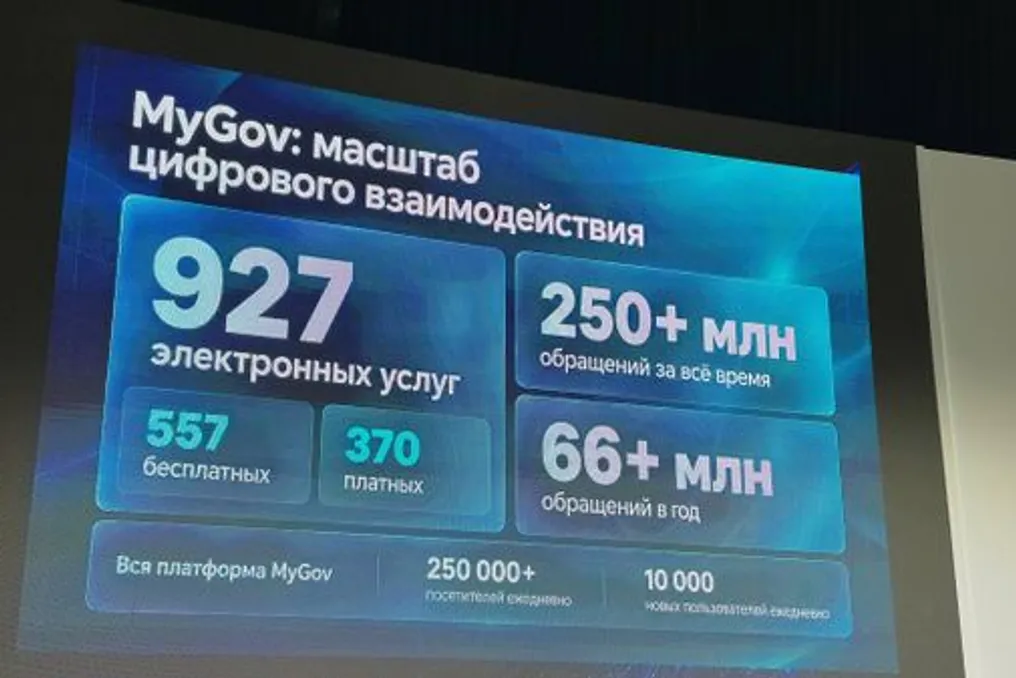
Currently, more than 927 electronic services are available on the MyGov platform, of which 557 are provided free of charge and 370 are paid. Since the platform's launch, citizens and entrepreneurs have accessed it over 250 million times, with over 67 million accesses registered in the last year alone.
Abdufattohov stated that more than 250 thousand people visit the platform daily, and about 10 thousand new users are added to the system monthly. The highest demand for services comes from the licensing, education, and real estate sectors, but services in business, economy, transport, tourism, culture, and sports are also actively used.
The MyGov mobile application is installed on more than 16 million users, providing the ability to access nearly 72 percent of all electronic services via smartphone. More than 200 services have been simplified according to the 'three steps' principle, over 130 composite and 21 proactive services have been introduced, and more than 150 informational certificates, previously issued in paper form, have been abolished.