Sebi and RBI work to simplify FPI registration and create index bonds
Read more
Business Standard
business-standard.com

Sebi and RBI work to simplify FPI registration and create index bonds

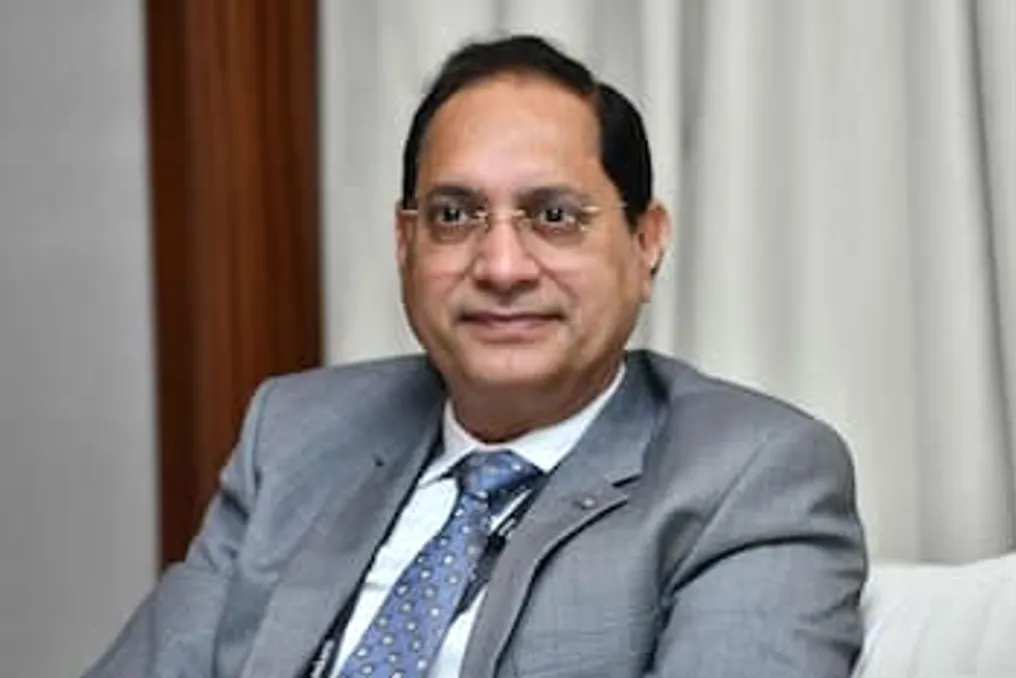
The Chairman of Sebi, Tuhin Kanta Pandey, announced on Wednesday that the regulators Securities and Exchange Board of India (Sebi) and Reserve Bank of India (RBI) are jointly working to simplify the process of registering and onboarding Foreign Portfolio Investors (FPIs), and they are also studying the possibility of developing index bonds on exchanges.

Speaking at the annual summit of the Association of Portfolio Managers in India, Pandey noted that both organizations aim to make FPI registration 'fast,' 'seamless,' and digital. He emphasized that RBI and Sebi are closely collaborating, having successfully resolved numerous issues, including accelerating the FPI onboarding process, and their goal is to make the procedure even simpler.

Through depositories and custodians, the onboarding of FPIs for certain jurisdictions has already been successfully tested within five business days. Sebi also encourages digital onboarding, allowing documents to be submitted using digital signatures instead of physical ones, which previously required apostille or notarization.

Several steps have been taken, including updating the NSDL frontend and launching the India Market Access portal for FPIs, which consolidates requirements, frequently asked questions, and documentation. Furthermore, the regulator has transitioned from physical powers of attorney to electronic powers of attorney.

Pandey added that RBI and Sebi are working on optimizing KYC. RBI has allowed relevant departments of foreign commercial banks to certify documents and is considering using the SWIFT process for uploading registration materials.

Development of the Bond and PMS Market

Regarding the bond market, Pandey stated that Sebi is working on developing index bonds that can be listed on exchanges. The Chairman noted that RBI has prepared a draft set of guidelines and requested comments, and they continue to work with RBI for their final approval.

In his address, Pandey also presented data on the growth of assets under management by portfolio managers, excluding PF and EPFO assets. By August 2026, these assets grew to approximately 9.2 trillion rupees from 1.4 trillion rupees at the end of the financial year 2016, corresponding to an annual growth rate of about 20 percent. The number of registered portfolio managers exceeded 530, and clients of discretionary PMS reached approximately 2.2 lakh.

Sebi's new PMS structure aims to expand investment opportunities, simplify regulatory requirements, ease compliance, and eliminate redundant provisions. It introduces PRIM, allowing portfolio managers to use direct mutual fund plans, including ETFs, index funds, and SIFs, with a minimum threshold of 25 lakh rupees. The concept of Independent Fund Managers is also being introduced.

Pandey warned that the growth of the PMS industry entails greater responsibility for portfolio managers. He stressed that while PMS clients may meet established investment thresholds, suitability and compliance are not synonymous. Portfolio managers, possessing a deep understanding of concentration, liquidity, volatility, and downside risk strategies, must possess an equally deep understanding of investors. He also strongly recommended presenting performance results with context, including risks taken, relevant benchmarks, portfolio concentration, and drawdowns.
Similar stories

Sebi plans to balance the derivatives market, emphasizing the complementarity of banks and capital markets
Read more
business-standard.com

Sebi plans to balance the derivatives market, emphasizing the complementarity of banks and capital markets

The Chairman of Sebi, Tuhin Kanta Pandey, stated on Wednesday that the Securities and Exchange Board of India (Sebi) is working to make the derivatives market more balanced. These measures are aimed at positive development of the segment while avoiding unnecessary shocks.

These comments came amid persistently high investor losses in the futures and options segment, despite several measures introduced by the market regulator since 2024.

Pandey noted that the derivatives market is extremely important as it serves as a link between the money market and futures. He emphasized that the problem is not that the derivative has only one product, but that there are complexities, especially concerning short-term index options approaching their expiration date. Unfortunately, the market is skewed towards options trading.

He added that the regulator needs to focus on long-term derivatives, futures, and longer-dated stock options. The Chairman also reported that they are considering changes regarding margin requirements and other issues related to long-term products.

Banks and Capital Markets: Complementary Parts of the Ecosystem

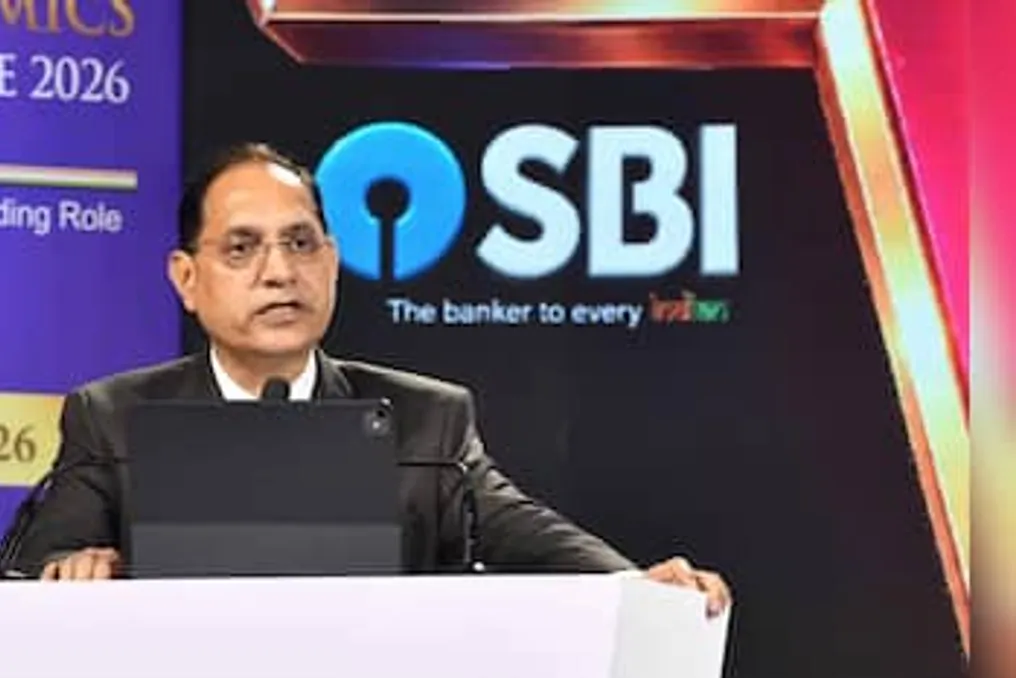
During his address at the SBI Banking and Economy Conclave, Pandey highlighted that while banks played a central role in India's development by providing credit, controlling borrowers, building relationships, and financing projects, the economic needs have become more diverse as the economy grows and becomes more complex.

He stated that the question is not whether banks or markets should finance India's growth, but that both elements are needed, and both must be strong. Banks and capital markets are not competing areas; they represent complementary components of a single financial ecosystem. The role of securities markets in this ecosystem has significantly increased over the last decade.

The Sebi Chairman also noted that policymakers will need to consider simplifying the taxation of debt instruments, as they play an important role for investors.

Pandey also highlighted the steps taken to deepen India's corporate bond market, which currently stands at about 61 trillion rupees, equivalent to approximately 55 percent of the total banking credit to industry and services.

Sebi has already taken several measures: reducing the mandatory threshold for using the Electronic Book Provider platform from 50 crore to 20 crore, shortening the listing period for public debt issuances from T+6 to T+3 business days, and decreasing the minimum nominal value of private debt securities from 1 lakh to 10 thousand rupees.

The regulator has also introduced liquidity windows for non-convertible securities and launched a pilot project for tokenization of corporate bonds under Demat 2.0. Regarding equities, Pandey announced the reduction of timelines for IPOs and additional offerings, as well as the rationalization of listing norms for large issuers, and a proposed revision of the Accredited Investor Framework.

Popular