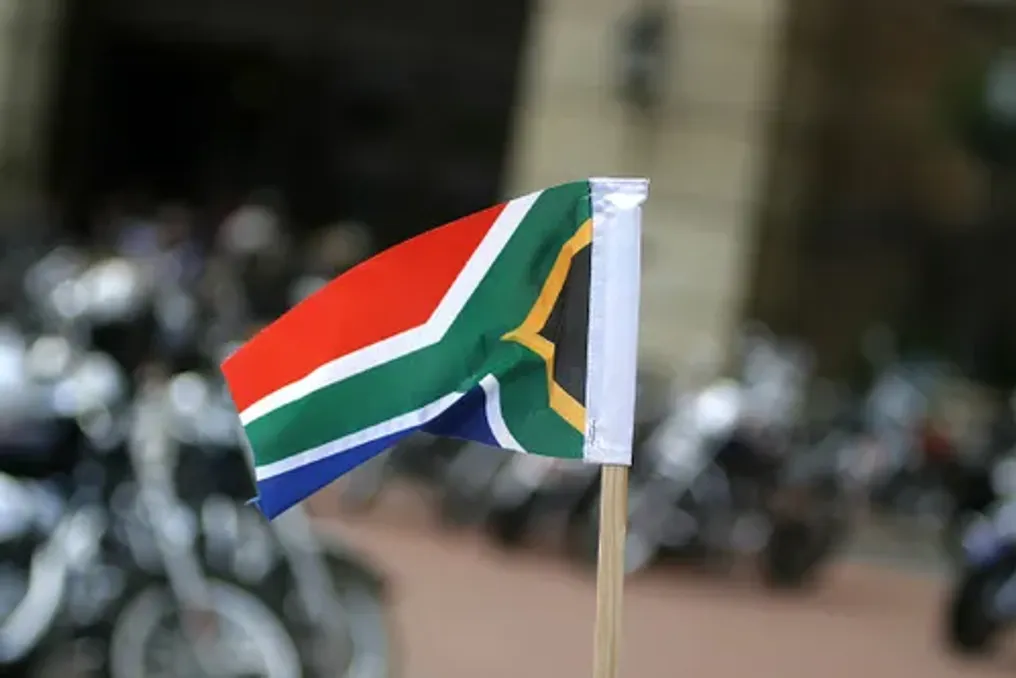
The article's author argues that South Africa must maintain the pace of progress achieved in equality and opportunity. One can picture a grandmother watching her grandson receive a university degree, knowing that this education opens doors that were previously closed to her. In that moment, she sees something that no national balance sheet can fully capture: the difference between the life she could only imagine and the life her grandson can now build.
Despite debts that may overshadow celebrations, or job insecurity looming ahead, neither diminishes the achievements or the history that has been overcome. South Africa must begin to see itself differently. On Heritage Day, languages, clothing, food, and music demonstrate the exceptional diversity of life gathered in one country. However, beneath this celebration lies a transformation whose significance is easily obscured by familiarity: a society that once defined belonging through racial discrimination is now based on the constitutional obligation of equal citizenship.
The country has moved from a system that determined people's place through racial classification to a democracy where injustice can be challenged and more can be demanded. This journey is not yet complete, but it has profoundly changed our possibilities. During apartheid, race dictated where people could live, which schools they could attend, and what work they could do. Forced removals destroyed communities, and restrictions on movement, education, and employment narrowed the horizons families could envision.
The exclusion operated through the ordinary mechanisms of life. Democracy established a different foundation. Universal suffrage for adults, alongside constitutional rights and protected freedoms, has given South Africans greater capacity to participate in public life and monitor the exercise of power. When citizens expose abuses, organize their communities, or demand accountability from institutions, they give practical expression to the freedoms secured by immense sacrifices.
These freedoms belong to the people, and recognizing their value strengthens our right to judge how well our leaders serve us. Material progress has also occurred. According to the 2022 census, 94.7% of households used electricity as their primary source of lighting, compared to approximately 58% in 1996. Reliability and accessibility remain important issues, but the expansion represents a substantial improvement in access. An honest national report must account for both these realities: millions of households have gained something vital, while the responsibility for providing reliable services remains.
How we tell this story matters. When every achievement is drowned out by the latest failure, we struggle to realize what our collective effort has accomplished. When celebration justifies hardship, we lose the trust of those still waiting for progress to reach them. A confident nation can acknowledge the journey taken while simultaneously demanding more from future progress. This demand must focus on what comes after the breakthrough. We rightly celebrate the first graduate in a family, the first specialist, the first homeowner, or the first successful entrepreneur, because these successes can change young relatives' perceptions of what is possible.
However, the word 'first' also prompts us to look back. For many families, it reflects generations when opportunities were limited or remained unattainable. Our next national achievement must make such breakthroughs less exceptional. The next child should find a path made more accessible by the person who came before them.
Progress becomes sustainable when an outstanding achievement of one generation becomes a common opportunity for the next. For the Class of 2026, this promise becomes deeply personal. As they approach the end of their school careers, they carry their ambitions along with the hopes of families who sacrificed to bring them this far. They grew up in democratic South Africa but approach adulthood with unequal resources, networks, and choices. Encouraging their dreams matters; creating credible pathways to further education, vocational training, employment, and entrepreneurship gives this encouragement substance. Our commitment to these young people must continue beyond celebrating their results.
This should be evident when a college helps an applicant understand their options, an employer creates a meaningful apprenticeship program, a university supports a struggling student, or a business offers someone their first chance at experience. A high school diploma marks an achievement. What follows it tests the society that encouraged the student to obtain it. This situation requires us to reflect more deeply on inheritance. One young person enters adulthood with savings and professional networks behind them, while another faces the immediate pressure of needing to earn. Both have ambitions, but their freedom to take risks and recover from setbacks differs significantly. The first, who secures stable employment, can become a family scholarship fund and an emergency reserve almost instantly. There is love and dignity in this responsibility, alongside the burden that can impede personal security. Reliable public services and viable economic opportunities help families turn individual achievement into sustainable progress, giving each generation something more solid to stand on.
Sports provide a vivid illustration of what it feels like to achieve together. The fourth Springbok title at the 2023 Rugby World Cup, the Bafana Bafana bronze medal at the February 2024 Africa Cup of Nations, and the Proteas victory in the June 2025 Test World Cup gave South Africans moments of collective pride. For a moment, strangers had something joyful to say to each other. A lesson for public life is partly found in the preparation behind these triumphs: patient development of talent, disciplined practice, competent leadership, and trust built around a common goal.
Imagine if we brought this commitment to the student seeking an apprenticeship, the entrepreneur awaiting payment, or the child learning to read. Their achievements may never lead to a parade of victory, but they shape the country we will become. Our understanding of resilience must match this. Endurance supported families through hard times, and this strength deserves respect. It also deserves support from institutions that make daily life safer. This means freeing people to pursue new opportunities, rather than constantly solving the same preventable problems.
Every generation inherits unfinished work. Ours must strive to leave behind less preventable burdens. Thus, heritage includes the institutions we support and the habits we encourage. A library opens minds. A competent school develops abilities. A civil servant who justly resolves a problem gives practical meaning to citizenship. Through such encounters, people discover whether their country offers them space to move forward. Ubuntu gives this responsibility a human language, calling on us to treat the dignity of another person so seriously that it influences how we hire, mentor, serve, and support one another.
The grandmother at the graduation ceremony understands something vital about this journey. Her pride contains memory, sacrifice, and investment in a future greater than her own. Across South Africa, families supporting the Class of 2026 are making the same investments. Let us meet their hope with worthy commitment, celebrating how far we have come while creating conditions for the next generation to go further. Generations before us fought to make freedom possible. Our task is to make opportunity commonplace. This is the heritage our children deserve.