In the Indian film industry, whether it is Bollywood or Kollywood, external attractiveness, youth, and physical perfection are often key elements of success. Audiences expect their favorite actors to look eternally young, yet biological processes such as hair loss and receding hairlines affect all actors.
To counteract these changes, Indian cinema has a long history of using wigs, custom-made hairpieces, surgical hair transplants, and intensive cosmetic styling.
For many decades, male baldness was an obstacle for leading actors, often limiting them to supporting roles or villains. However, advancements in technology and medicine have changed the approach to managing hair loss among stars. There has been a shift from crude theatrical wigs and glued frontal pieces to complex surgical methods, such as follicular extraction, and advanced systems that look completely natural even under harsh studio lighting.
The Essence of Stardom
By the mid-1990s, Bollywood superstar Amitabh Bachchan began to experience noticeable thinning of his hair. During the ups and downs of his career, rumors frequently circulated about his changing hairline and the use of custom wigs for both films and public appearances.
Nevertheless, when Bachchan transitioned to television with the revolutionary game show Kaun Banega Crorepati in 2000, he displayed a noticeably refreshed, age-appropriate, and thick hairstyle. Industry insiders and medical circles noted that Bachchan underwent a successful hair restoration procedure. This step not only restored his iconic screen image but also helped normalize the discussion of men's grooming and hair preservation in India.
Although Bachchan traditionally maintained privacy regarding medical or cosmetic procedures like hair restoration, he often spoke about accepting the reality of aging under public scrutiny. Commenting on his transition to elder statesman roles and the immense pressure associated with maintaining an iconic visual standard, Bachchan once noted in his blog: 'The face changes, the hair ages, the body slows down, but the spirit of giving your all in front of the camera remains the same as on day one.'
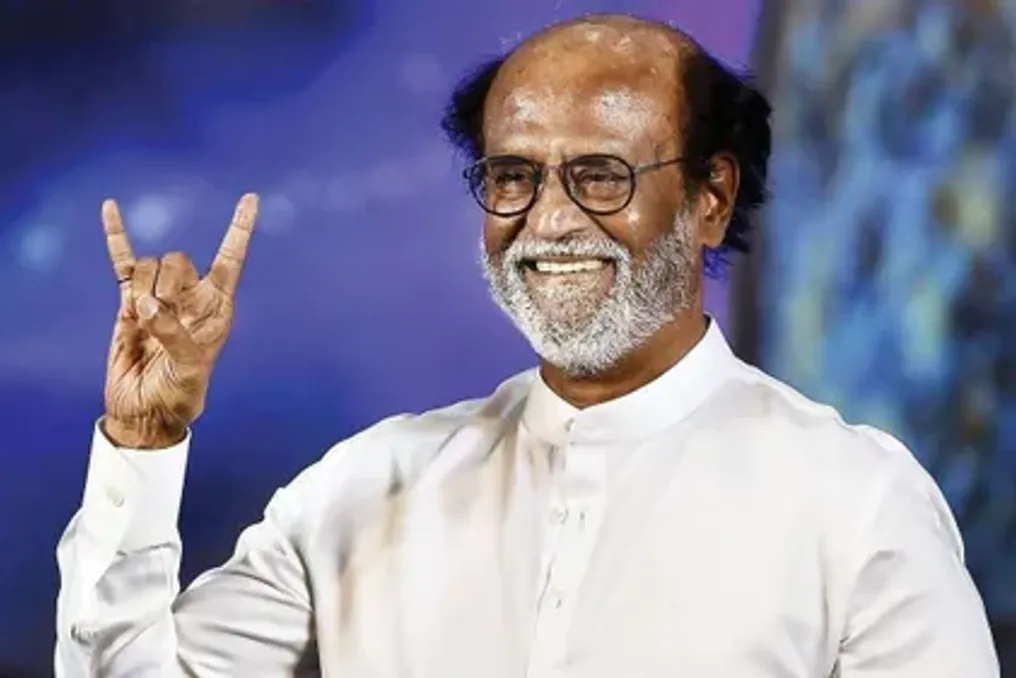
In South Indian cinema, superstar Rajinikanth enjoys an almost divine status, and his appearance on screen can cause a celebration. Much of his career has been characterized by an open and unconcerned attitude towards his natural thinning hairline, often displaying sparse hair or bald patches with complete nonchalance in real life.
However, the magic of cinema demands different standards. According to his longtime stylists and makeup artists, Rajinikanth used his natural hair supplemented by strategic strands until around 2005. After this period, as high-resolution cameras demanded greater precision, specialized high-end wigs and systems were imported from abroad to create his youthful, energetic cinematic image. Rajinikanth's ability to easily switch between his authentic, aging look off-screen and his stylized on-screen persona is a masterclass in star management.
Commenting on his lack of pretense at public events and award ceremonies, Rajinikanth often dismissed the vanity associated with fame: 'Why wear a mask if you are not acting? What you see on screen is cinema; what you see here is just me. I have nothing to hide from the people who made me who I am.'
While many stars resort to surgical transplants or hair systems, veteran composer and singer Anu Malik chose a completely different path. The battle against progressive hair thinning led Malik to consciously reject the pressure to wear flashy wigs or undergo transplantation. Instead, inspired by icons like actor Feroz Khan, he turned caps and hats into his signature personal style. His choice represents a rare and refreshing example of authenticity in an industry obsessed with cosmetic perfection.
Malik frankly stated in a media interview: 'I am who I am. I never felt the need to pretend or put anything on my head just because societal norms dictate how an artist should look. Caps became my identity, and my music spoke louder than any hairline.'
While male actors are often criticized for thinning hair, Indian actresses face equally intense, though different, beauty standards concerning hair volume, length, and texture. Intensive care, constant heat exposure, chemical perms, and tight styling required for continuous shooting often cause serious damage to an actress's natural hair. To achieve the lush, cascading curls seen in songs and glamorous scenes, hair extensions, clip-in volume enhancers, and partial wigs with mesh bases are used in the Bollywood and regional film industries.
Actresses regularly use semi-permanent keratin bonds, tapes, and custom-made mesh-based wigs to instantly transform their look for historical epics, glamorous dance numbers, or red carpets. Unlike male actors who often use products to mask hair loss, leading women use these tools as a universal styling instrument—proving that the illusion of perfection is a collaborative art between the star, the stylist, and modern hair technology.
Actress Samantha Ruth Prabhu, who openly shared her health and physical journey with fans, noted in social media styling segments: 'People look at the finished, cascading curls on screen and think it's easy. They don't see the hours of heating, extensions, and heavy products that severely wear down your real hair. Taking care of yourself naturally beneath all this glamour is the hardest part.'
It is clear that the use of wigs, hairpieces, and transplants in Indian cinema has ceased to be a scandalous secret; it is recognized as a standard tool in the entertainment industry's arsenal. From Bachchan's innovation in modern restoration to Rajinikanth's mastery in creating a cinematic image and the use of advanced extensions by actresses, these methods allow stars to overcome biological limitations and maintain the grand magic that audiences love.