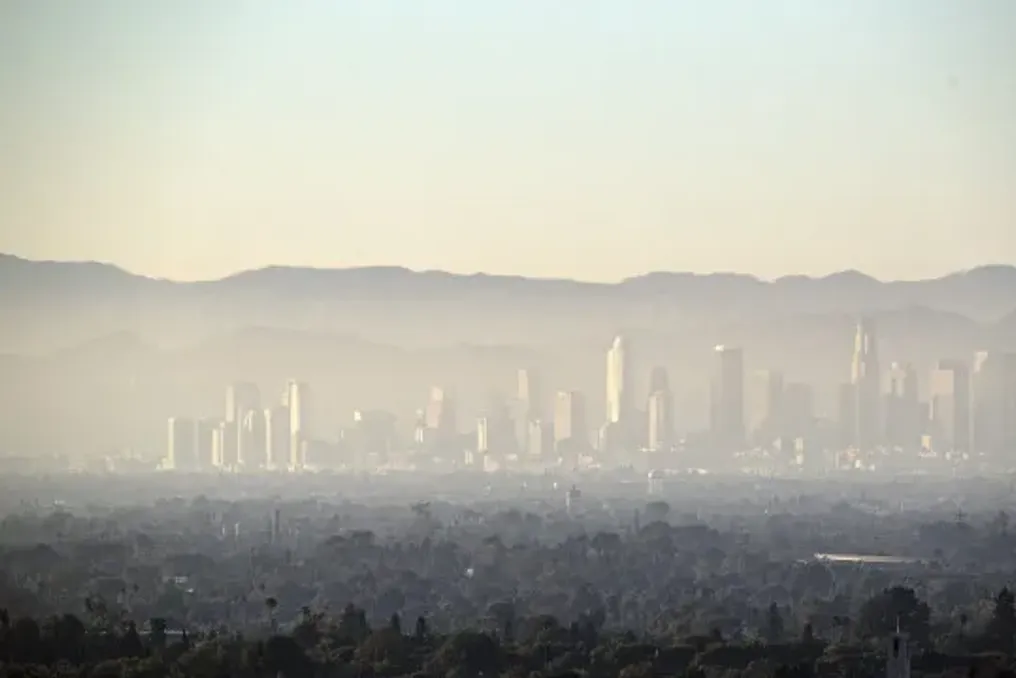
Change in Water Age in the Pacific Ocean Due to Rising Temperatures
Read more
Aaj Tak
www.aajtak.in

Change in Water Age in the Pacific Ocean Due to Rising Temperatures

As the Pacific Ocean warms, the 'age' of the water within the ocean is also changing. Scientists from the University of California, San Diego, used a model to study the changes that will occur over the next hundred years. The research showed that in some parts of the Pacific Ocean, new water can become old, while in other areas, old water can become new.

The main reason for this phenomenon is the decrease in activity between different layers of water following global warming. These changes are particularly observed in the layer ranging from 200 to 1000 meters deep, known as the thermocline. The thermocline is the boundary between the warm upper layer and the colder waters below. As the ocean heats up, these layers stop mixing as easily, which slows down the vertical movement of water. This leads to changes in water age and oxygen levels in different locations.

'Water age' refers not to the number of years the water has existed, but to the period during which it has not reached the sea surface. When water is at the surface, it becomes saturated with oxygen from the air. Then, as it sinks, it is used by marine organisms and bacteria to consume this oxygen. Therefore, water that remains in the depths for a long time is considered 'old' due to reduced oxygen content, whereas recently sunk water is considered 'new' and is usually rich in oxygen.

Since warm water is lighter than cold water, there are distinct layers in the ocean: warm water on top and cold water below. Rising temperatures intensify the gap between these layers. This reduces the mixing of water vertically in the ocean. Scientists recorded this slowing of water movement in their model.

In one area of the North Pacific Ocean, new water coming from above reaches the thermocline, but due to rising temperatures, it may penetrate less deeply. As a result, this water may remain in the ocean longer, meaning the new water gradually becomes 'old.' This could also lead to a decrease in oxygen levels in this area. According to the study, this may affect marine life that requires oxygen to survive.

The situation in the tropical part of the Pacific Ocean may develop in the opposite way. There, water rising from below is initially old and low in oxygen. Warming may slow down the movement of water from the depths to the surface. Consequently, old water will reach the upper layer less frequently, which could lead to a decrease in the average age of the water in the upper layer.

Thus, in one part of the Pacific Ocean, water may age, while in another part, old water may become relatively new.

Scientists also noted the role of the Southern Ocean, which surrounds Antarctica. Temperature rise in this region can alter large-scale water movement, which directly affects the Pacific Ocean. This is why scientists view this as an influence of warming in one part of the ocean on another.

Warm water may contain less oxygen. Furthermore, the slowing of water movement changes how oxygen is delivered to greater depths. Although this study did not examine all consequences for marine organisms, scientists note that in areas with low oxygen content, no sharp increase in oxygen deficiency is expected in the next hundred years.

However, in the northern part of the Pacific Ocean, the change in water age and oxygen levels may have a more significant impact on marine life, as oxygen is already deficient there.

In this study, scientists used a simple ocean model to predict changes over the next approximately 100 years. Future research should include the analysis of ocean winds and changes in their patterns. This study makes it clear that the impact of climate change will not be uniform across the entire Pacific Ocean. In different parts of the ocean, water movement, its 'age,' and oxygen levels may change differently, potentially affecting the marine environment in the future.

Similar stories

The Versatility of Neem: From Toothbrushes to Oil and Fertilizers
Read more
thebetterindia.com

The Versatility of Neem: From Toothbrushes to Oil and Fertilizers

The neem plant, known for its wide range of beneficial properties, has been an integral part of daily life in India for many generations. It grows near residential homes, along roadsides, around farms, and in village common areas, providing shade during hot weather. Local residents use its leaves in household chores, branches as natural toothbrushes, seeds for oil extraction, and wood for making various items.

The scientific name of neem is Azadirachta indica. This tree, native to the Indian subcontinent, has been utilized for centuries in agriculture, traditional medicine, domestic practices, and maintaining farming.

A book by the National Research Council documents the use of virtually every part of the tree, including leaves, seeds, bark, flowers, fruits, and wood, making neem unique because each part has its own distinct purpose.

Leaves Offer More Than Just Shade

Neem leaves are perhaps the most familiar part to Indian households. Traditionally, dried leaves were placed among grain stores and clothing to repel insects. The Indian Council of Agricultural Research has also documented the use of dried neem leaves, neem seed powder, and neem oil in grain storage.

These leaves can be used to create extracts for agricultural purposes. One of the most studied compounds in neem is azadirachtin, which is predominantly found in the seeds. It affects insects by disrupting their feeding, growth, and development, thus products based on neem are used within integrated pest management.

Thus, a fallen neem leaf can find a second life after dropping from the tree.

Seeds Turn into Oil

When the neem fruit ripens, its seeds are collected and pressed to produce neem oil. Traditionally, this oil was used to make soap, cosmetics, and other household goods. Furthermore, it serves as an important source of compounds applied in botanical pest control.

Farmers can apply neem-based formulations to combat various crop pests. The Indian Council of Agricultural Research has recorded the use of neem and azadirachtin-based products in integrated pest management systems.

Consequently, the same seed can serve both for domestic use and for farming.

What Remains Becomes Neem Flour

The process of oil extraction does not end the story. The solid residue left after pressing the seeds is called neem cake (or neem flour). It can be added to the soil as an organic component, and also used in agriculture to control certain soil pests.

This forms a simple cycle: the seed yields oil, and the remaining cake returns to the soil. For farmers, very few seeds are considered waste.

Branch Becomes a Toothbrush

Long before plastic toothbrushes became commonplace, neem branches were used for dental hygiene. A small branch could be chewed at one end until it became fibrous, thereby creating a natural brush. Neem was also used in traditional oral care remedies.

Scientific studies have investigated the antimicrobial properties of neem and its potential role in oral hygiene. However, traditional use does not imply that neem products can replace established dental treatment. Nevertheless, this practice shows how closely the tree was woven into daily rituals.

A branch growing outside the home could become part of a morning ritual.

Bark and Flowers Also Have Uses

The usefulness of the plant is not limited to leaves and seeds. The bark was used in traditional medical systems and studied for its chemical compounds. Its small white flowers were used in traditional food and medicinal preparations. They also serve as nectar for bees. The National Research Council notes neem as a source of nectar for honey production.

The fruit itself surrounds the seed, which produces neem oil, making it an important part of the tree's natural cycle.

Neem's Place in Agriculture

Perhaps the most significant modern application of neem is related to agriculture. Neem-based products help farmers fight pests without relying solely on traditional chemical pesticides. Azadirachtin acts differently from many conventional insecticides, affecting insect feeding, growth, and reproduction.

Neem products have been studied against a range of agricultural pests and are used within integrated pest management. Neem cake also plays a role in soil management. This makes the tree useful at different stages of farming—from crop protection to soil improvement after harvest.

Oil Turns into Soap and Much More

Neem oil has been used in India for decades to produce soap. The National Research Council records its application in laundry and specialty soaps, as well as in other products. Today, neem oil and leaf extracts can be found in various personal hygiene products, including soap, creams, shampoos, and hair treatments.

Some of these products are based on traditional use, while others are promoted due to specific cosmetic properties. However, the presence of neem in a product alone does not prove that all associated health claims are scientifically substantiated.

Even the Wood Has Its Purpose

Neem is also a timber species. Its wood is used for making furniture, building materials, and other wooden articles. Thus, old trees can remain useful even after they stop bearing many fruits.

Branches and timber material can also serve as fuel. Consequently, the tree's utility can persist throughout all stages of its life cycle.

Nothing Should End with the Harvest

The importance of neem lies not in any single specific application, but in a chain of interconnectedness. Leaves can be used in traditional domestic and agricultural practices. Seeds can be pressed to yield oil. The residue turns into neem cake. Branches can be used for oral cleansing. Flowers provide nectar for bees. Bark has traditional uses. Wood can become furniture or fuel.

Even fallen leaves eventually decompose and return organic matter to the soil. For generations, people viewed the entire tree, not just the part they needed. Perhaps this is the true lesson of neem: its value lies not in one impressive use, but in the multitude of ordinary applications that can arise from a single tree.

} }, 3.
Norway creates extensive marine protected area for whales and seabirds
Read more
getaway.co.za

Norway creates extensive marine protected area for whales and seabirds

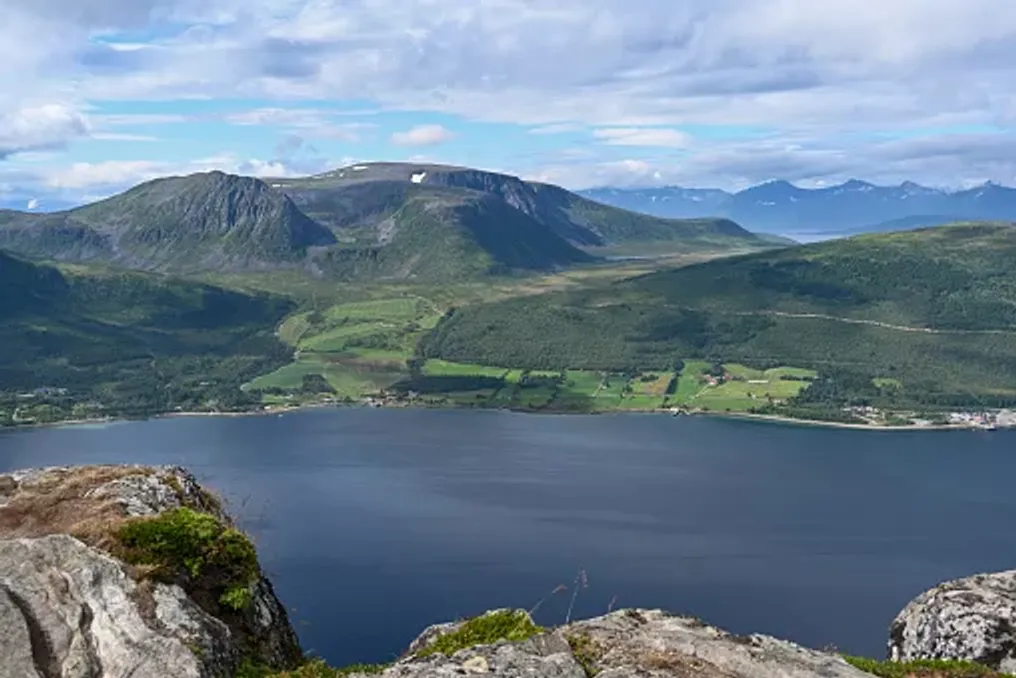
Norway has established a new marine protected area covering an area of nearly 1,850 square kilometers. This territory is intended to protect the underwater world, which includes coral reefs, kelp beds, whales, seabirds, and rich fish populations.

The Andøfjord zone was officially established on September 18th and covers waters in the northern part of Nordland and the southern part of Troms, including the municipalities of Andøy, Harstad, and Senja. According to Good News Network, the protected area spans about 714 square miles, equivalent to the area of almost 260,000 football fields.

Andøfjord features exceptional diversity of marine habitats, including coral reefs, coral gardens, sponge communities, and sandy shoals. Furthermore, kelp beds, shell-laden sandy bottoms, and merl outlets serve as important sites for spawning, juvenile growth, and feeding numerous species of fish.

The waters in this zone support abundant fish stocks, as well as large numbers of whales and seabirds, making it significant for both marine biodiversity and wildlife enthusiasts.

Norway's Minister of Climate and Environment, Sigrun Aalstrand, stated that this protection will help ensure that future generations can enjoy and utilize the natural environment of Andøfjord.

Areas of Special Biodiversity Value

The new protected area includes several zones where particularly valuable and vulnerable biodiversity is observed. These areas will have stricter restrictions on activities compared to the rest of the marine protected area. The broader designation provides a framework for activities such as fishing, tourism, space activities, and defense operations.

The management of the zone will be carried out by a special committee for protected areas, composed of representatives from local municipalities, county authorities, and the Sámi Parliament. Andøfjord is one of 36 territories included in Norway's Marine Protection Plan from 2004. With the latest designation, protection now extends to 24 of these areas.

The Norwegian government reports that the share of protected waters in the territorial sea around mainland Norway will increase from approximately 4.8% to 6%. This step is part of broader global efforts to protect marine ecosystems, as new and existing protected areas are being created and expanded in several regions.

For travelers, Andøfjord represents another reason to head north when exploring Norway, where impressive coastal landscapes are complemented by a rich underwater marine environment.

Nearly 40% of the world's population is exposed to dangerous ozone pollution, global analysis points out
Read more
noticiasaominuto.com

Nearly 40% of the world's population is exposed to dangerous ozone pollution, global analysis points out

A global analysis conducted by the Copernicus Atmosphere Monitoring Service (CAMS), operated by the European Centre for Medium-Range Weather Forecasts (ECMWF), revealed that about 40% of the world's population has been exposed to dangerous levels of tropospheric ozone due to the combination of extreme heat and pollution generated by human activities.

This study demonstrates how air pollution has crossed borders and continents this year. Tropospheric ozone, found at an altitude between 10 and 12 kilometers, arises from the chemical reaction of pollutants emitted by road traffic and industry, such as nitrogen oxide, under strong heating.

The main environmental risks to human health and ecosystems, according to the 'Atmosphere Watch' analysis, include harmful tropospheric ozone (different from protective stratospheric ozone), along with smoke from large fires and dust transport episodes.

Florian Pappenberger, director-general of ECMWF, highlighted that 'Atmosphere Watch' shows that air pollution does not respect geographical boundaries. He mentioned that fire smoke, ozone, and dust have the capacity to travel thousands of kilometers, impacting communities located far from their origin.

Pappenberger also referred to the upcoming UN climate summit, COP31, reinforcing that the presented data underline that climate change, air quality, and public health constitute 'deeply interconnected challenges that require coordinated global action.'

In the first eight months of the year, conditions favorable for the formation of tropospheric ozone occurred in several regions, affecting millions of individuals. Asia was the most affected area, followed by Europe and then North America, with much of the northern hemisphere recording values above the target set by the World Health Organization (WHO).

In Asia, 60% of the population faced extremely high levels of tropospheric ozone. In Europe, although there have been improvements regarding certain harmful pollutants, ozone, as a secondary pollutant, remains a 'particularly complex global challenge,' according to Copernicus, as more than half of the population was exposed to harmful levels, mainly due to successive heatwaves.

Concentrations were also high in North America, aggravated by wildfires, affecting over two-thirds of the population. Oceania was the region with the lowest ozone pollution so far, followed by South America and, thirdly, Africa.

CAMS pointed out that a notable feature of 2026 so far is the way pollution has dispersed across borders, traveling long distances to influence the air quality of millions of people far from the initial source. This includes wildfire smoke, such as those in Canada and the western United States.

In Southeast Asia, fires also contributed to the spread of cross-border haze; in July and August, fires in Indonesia, intensified by the El Niño phenomenon, exposed millions to dangerous pollution. Furthermore, Saharan dust affected areas beyond North Africa, reaching the North Atlantic, Cape Verde, the Canary Islands, and even the Caribbean zone.

In conclusion, CAMS states that the observed events prove that air quality cannot be analyzed solely based on local emissions. 'Atmosphere Watch' consolidates the global balances of the state of the atmosphere in the first eight months of 2026, using the ability to integrate millions of data from satellites, ground networks, aircraft, and other sources with the global atmospheric pollution forecasting system.

Popular