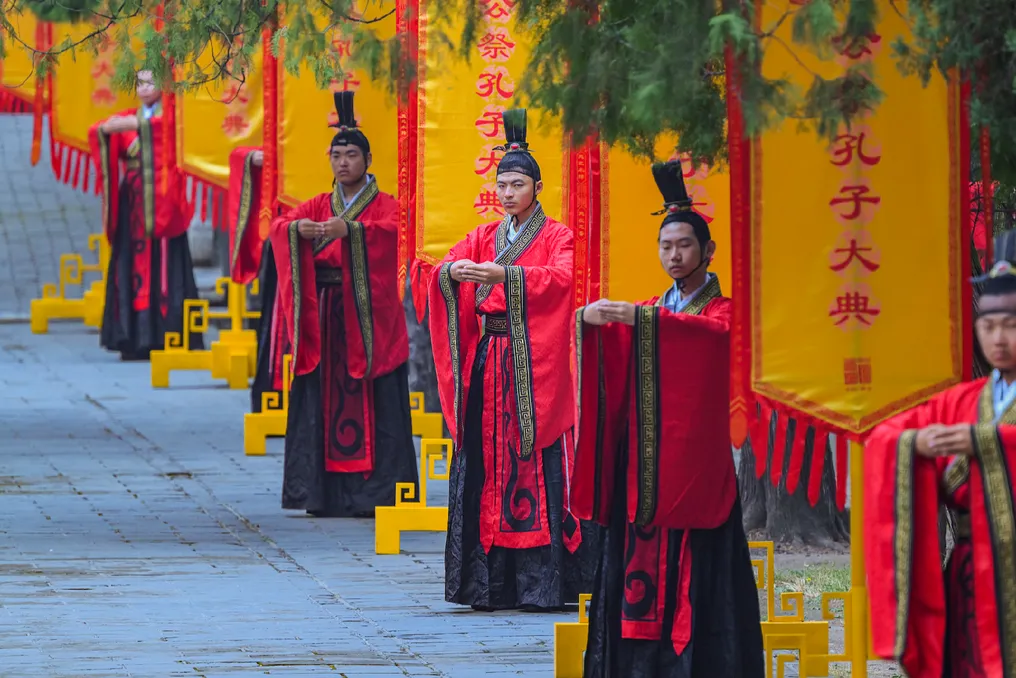
More than 2500 years after the birth of Confucius in Nishan, the ancient wisdom of this region continues to inspire new discussions about the problems facing humanity today.
At the 12th Forum on World Civilizations in Nishan, which opened on Monday, the theme 'Civilization, Order, and Justice' was declared. The event gathered representatives, scientists, and officials from around the world to discuss the future of human civilization.
The forum focused primarily on the contemporary significance of Confucianism, global governance, inter-civilizational dialogue, and the role of artificial intelligence in shaping the future of humanity.
František Škvrnda, an assistant professor at the Bratislava University of Economics and Business in Slovakia, noted that Confucianism represents a rich and diverse intellectual heritage covering almost all major fields of humanities and social sciences. He emphasized the value of comparing the philosophies of Confucius and Socrates, asserting that exchange between civilizations is key to human progress.
According to Škvrnda, studying the connections between ancient Chinese and Greek wisdom can deepen mutual understanding and cooperation between East and West, laying the foundation for broader interaction in socio-economic and political spheres.
Amid growing disagreements and conflicts between civilizations, Škvrnda believes that Confucianism offers universal values that remain relevant. He was particularly impressed by this philosophy's ability to address fundamental and long-term human issues and propose solutions to current problems.
He pointed out that Confucianism emphasizes virtues such as benevolence, compassion, and helping the needy. Furthermore, it calls for improving living conditions and building a well-governed society that protects livelihoods and allows people to live with dignity.
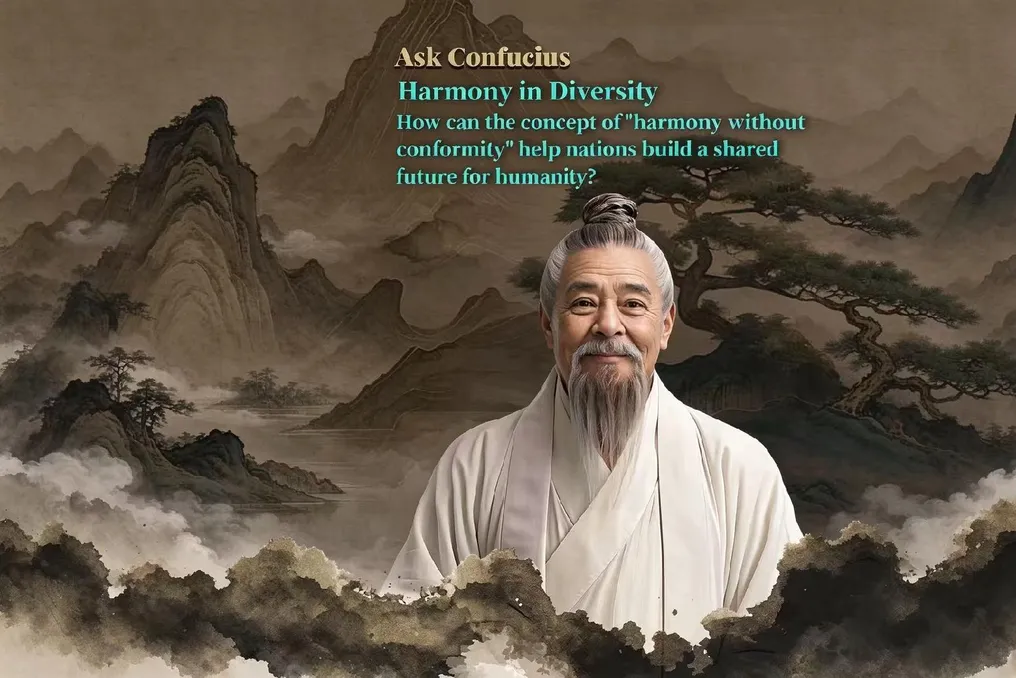
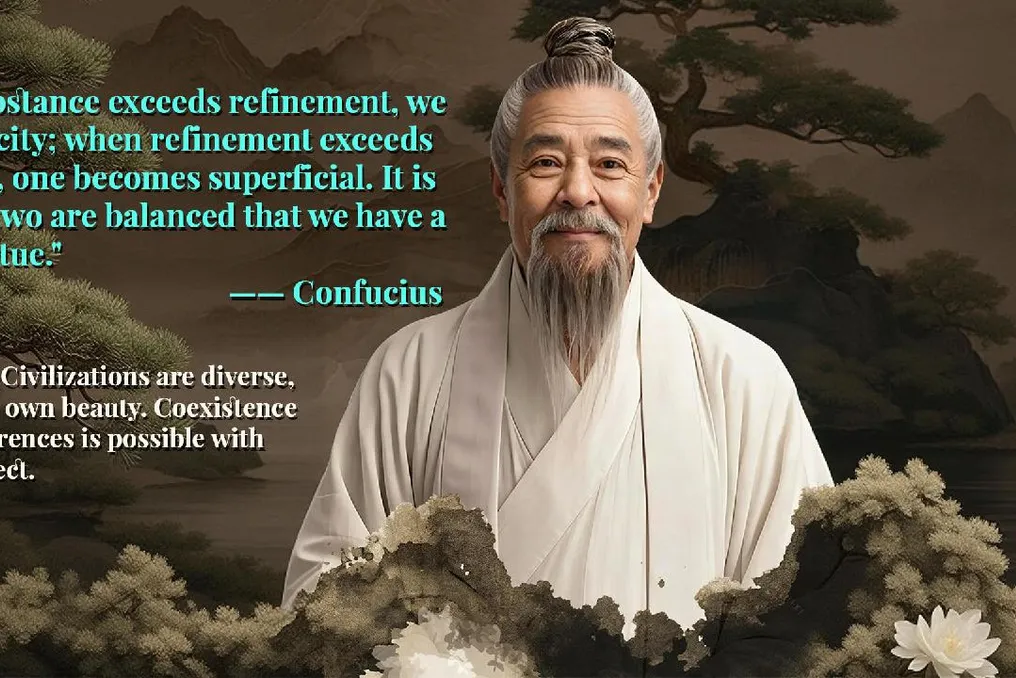
Škvrnda added that Confucianism provides insight into complexities such as inequality, interstate conflicts, and ecological crises. The values of social harmony, justice, peace, and respect for life and nature can contribute to creating a new philosophy of coexistence and building a community with a shared future for humanity.
Meanwhile, the ideas of Confucianism also lend a special perspective to international relations.
Eduardo Daniel Oviedo, a professor at the School of Political Science and International Relations at the National University of Rosario in Argentina, stated that the forum's theme 'Civilization, Order, and Justice' is closely related to the influence of civilizations on the world system and global order. He noted that civilizations impact the political structure, which in turn is shaped by law and indirectly by ideas of justice.
Oviedo stressed that Confucianism provides important insights for international relations, particularly its concept of 'harmony' as a means of resolving conflicts of interest between states. He linked harmony to balance, including the balance of power, which can promote peace between nations.
As artificial intelligence rapidly develops, the question of how to balance technological progress with human values has become extremely important. Traditional cultures and inter-civilizational dialogue can offer new approaches to how technology can serve humanity.
Oviedo suggested that the Confucian ideal of 'Great Unity' could serve as an ethical foundation for AI, based on the common good, responsibility, inclusivity, and coordination. This idea could make a significant contribution to the discussion of technology ethics, although he also noted that the global governance structure for AI must consider the interests and aspirations of various countries.
Škvrnda agreed that turning to the wisdom of classical civilizations can help guide AI development. He concluded that Confucian ethical principles, combined with sound economic planning and responsible social programs, are capable of transforming AI into a tool for advancing human civilization.