Due to climate change, the ocean's water level is constantly rising. The consequences of this phenomenon are not limited to the flooding of coastal lands. According to a study published on September 28, sea level rise may provide an opportunity for many non-native marine organisms to spread into new areas.
Scientists studied 122 invasive marine species to determine where the risk of their spread might increase with rising sea levels. According to the study, by 2050, rising waters could flood about 360,000 square kilometers of coastal land, and by 2100, this figure could reach 550,000 square kilometers.
Experts believe that a significant portion of these new aquatic areas could create suitable habitats for invasive marine species. Among the 122 species studied were organisms such as fish, crustaceans, mollusks, and starfish, many of which have already spread beyond their natural ranges.
The study analyzed which new areas these species might reach after sea level rise, based on various climate scenarios. Two factors were identified as the main causes of sea level rise: the expansion of water volume due to heating and the melting of glaciers and ice sheets.
According to the study's forecasts, the sea level could rise by approximately 20 centimeters by 2050 and by 56 centimeters by 2100. This means that about 360,000 sq km of coastal zones could be flooded by 2050, and about 550,000 sq km by 2100.
Scientists suggested that within these inundated territories, a favorable environment could form for the life of the marine organisms that were studied, covering an area from 290 to 470 thousand square kilometers.
The study identified several global regions where there is a high risk of these marine species spreading. These areas include the eastern coast of America, the Gulf of Mexico, the North Sea, the Gulf of Guinea, the Arabian Gulf, the northern Bay of Bengal, southeastern China, and northern Australia.
Estuaries pose a particular danger—areas where river water meets seawater. These regions have a direct connection to the sea and are characterized by high anthropogenic activity. As seawater advances, these areas could become pathways for invasive species.
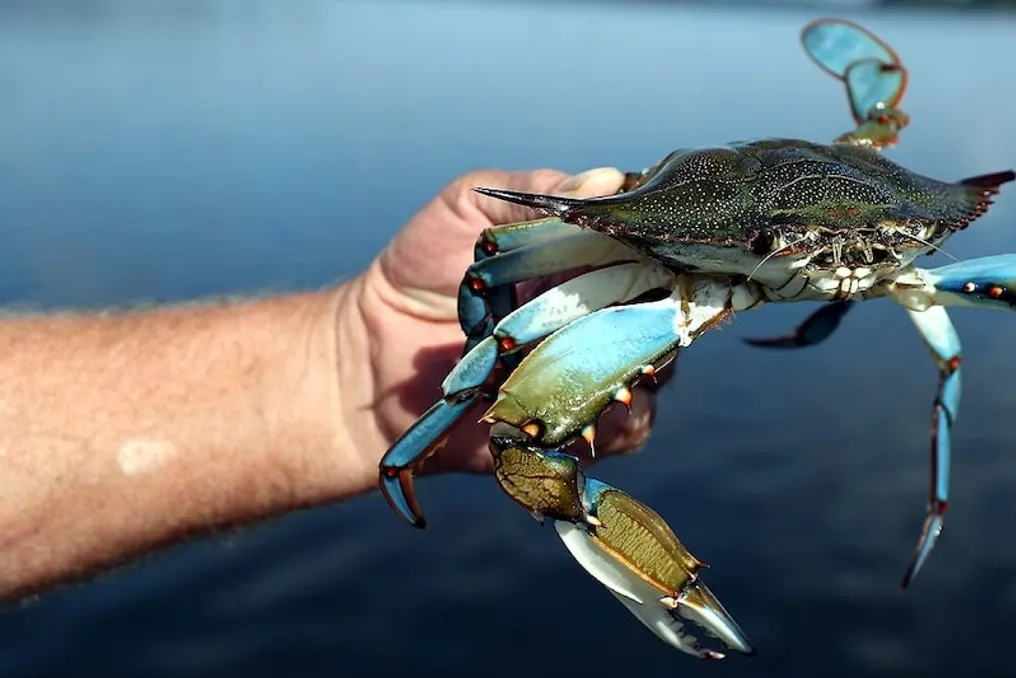
There are many marine species that have already migrated beyond their original habitats. Examples include the Pacific oyster in Europe, the Atlantic crab, and the Wend Rapa Velk. Sea level rise could give these animals the opportunity to reach and establish themselves in new areas, potentially creating problems for native species, as well as increasing competition for resources and habitats.
The impact of invasive species extends beyond just marine fauna; they are capable of transforming the entire ecosystem. This can also affect fishing and other activities related to coastal areas. According to IPBES, biological invasions caused economic losses exceeding $423 billion worldwide in 2019. Scientists emphasize the need to consider the threat of invasive species spread when planning and monitoring coastal zones in light of rising sea levels.