An associate researcher from the Institute of Prehistory, Proto-History, and Medieval Archaeology at the University of Tübingen in Germany discusses the role of popular culture in archaeology. The article, originally published on The Conversation website, analyzes how fiction has influenced public perception of this science.
When Egyptian archaeologists announced the discovery of a 'lost golden city' near Luxor, Egypt, in 2021, the news generated enormous global repercussion. However, for specialists, the most striking aspect was not the yet-unexposed gold, but rather the speed with which history was transformed into an adventure narrative, minimizing years of stratigraphic mapping and ceramic analysis.
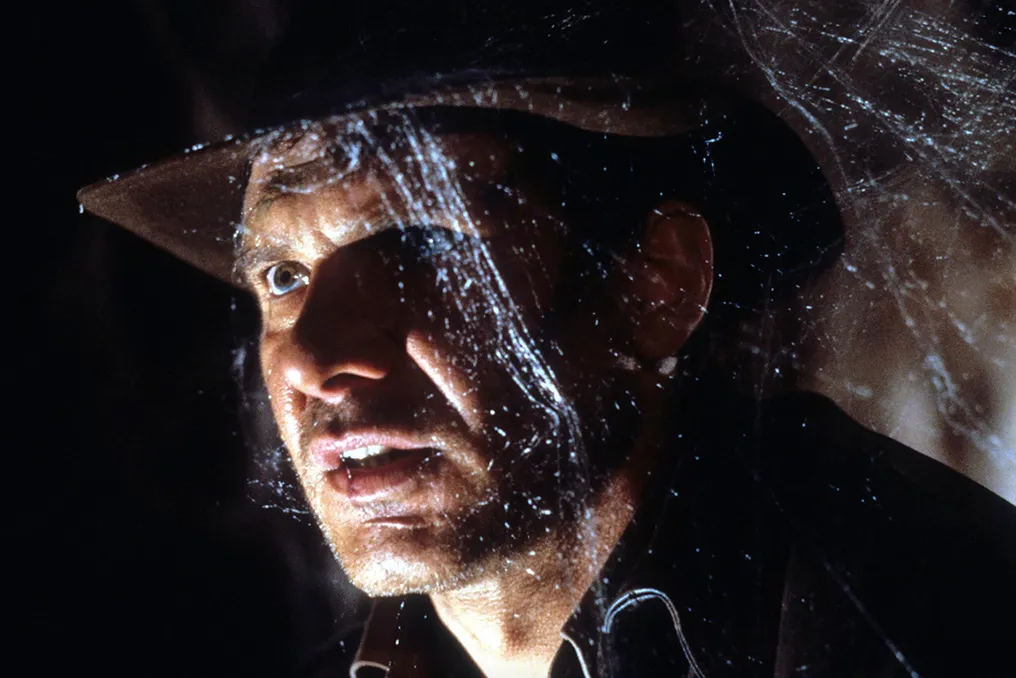
Archaeology is one of the few fields where popular culture not only mirrors but actively shapes public understanding. Many people approach archaeology not through technical reports or museum catalogs, but through the image of an adventurous character, such as a man in a fedora hat using a whip in a torch-lit tomb.
This trend is evident in discussions at the University of Tübingen, where students often arrive with references to 'Indiana Jones' rather than having expectations based on specialized literature or archaeological site reports.
The notion of archaeology as adventure predates the discipline itself, dating back to 19th-century colonial explorations, a period when the past was viewed more as a resource to be plundered than as knowledge. Ancient sites were treated as deposits of exotic items to be removed and displayed.
As early as the 17th century, travelers like Cornelis de Bruyn gained notoriety returning from the Levant—an area covering parts of Turkey, Syria, Lebanon, Israel, Palestine, and Jordan, as well as Cilicia, Cyprus, and the Sinai Peninsula. Later, Victorian adventure literature, exemplified by H. Rider Haggard's 'King Solomon's Mines' (1885), used distant landscapes as settings for lost civilizations.
Even after archaeology became academically established, it remained tied to this narrative, with museums displaying artifacts isolated from their original context. Popular literature intensified this logic; C.W. Ceram's book 'Gods, Tombs and Scholars' (1949) transformed research into a succession of dramatic events, promoting the view of archaeology as a heroic encounter with the past.
Cinema consolidated and standardized this view, from 'The Mummy' (1932) to franchises like 'Raiders of the Lost Ark' (1981), 'Tomb Raider' (1996), and 'Assassin's Creed' (2007), defining the genre through elements such as traps and individual heroism.
The persistence of this adventure narrative is due to the intrinsically fascinating material of archaeology: ruins, human remains, and objects. Popular media focuses on the most spectacular moments—an opened tomb, a deciphered inscription—presenting them as the totality of history. In contrast, real archaeology builds knowledge slowly through measurements, records, and interpretations under difficult working conditions, rather than merely discovering it.
The case of the 'lost golden city' of Atun illustrates this contradiction: the announcement generated global headlines before any substantial analysis was published, maintaining the 'golden' label without clear explanation while knowledge progressed slowly.
Furthermore, the adventure model raises serious ethical questions, especially regarding ownership and restitution, as it treats artifacts as finds rather than evidence embedded in active cultural and political contexts. The figure of the solitary Western explorer carries a colonial legacy that modern archaeology must confront.
Digital platforms like Instagram and TikTok accentuate this dynamic, prioritizing immediate visual impact over long-term interpretive work. However, dismissing the myth of adventure would ignore its cultural function: without it, many people would hardly consider the remote human past, which sustains funding and student interest.
In academic practice, although students may be attracted by cinema, many end up engaged by the possibility that a small fragment could change historical understanding. It is important to note that archaeologists themselves contribute to these public narratives, creating a constant tension between scientific accuracy and media communication.
Although Indiana Jones would have difficulty obtaining permission for excavations today, much of archaeological discovery occurs in comparative analyses and computational reevaluations of data, not just at iconic sites. The myth simplifies a complex process, but it also ensures the cultural relevance of archaeology in the collective imagination.