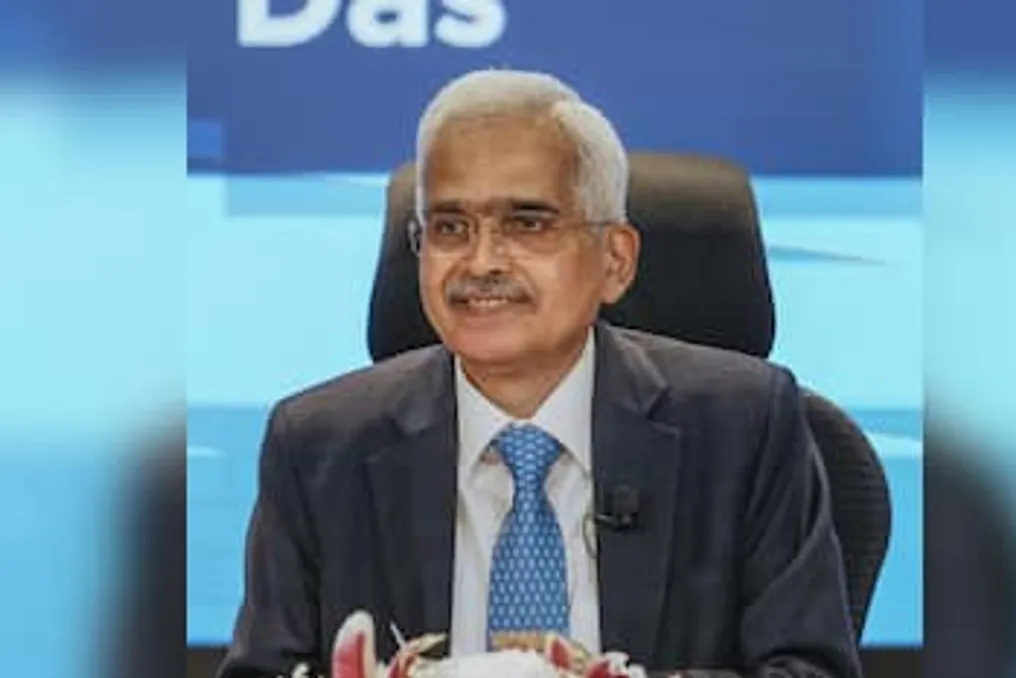
Shaktikanta Das, Deputy Secretary-2 of Prime Minister Narendra Modi, stated on Tuesday that developing countries, including India, should focus on diversifying their trade and energy structure. He also emphasized the need to use a collective voice to protect against energy shocks and counter the unilateral actions of major world powers.
During an event organized by the Research and Information System for Developing Countries (RIS) and the Delhi School of Economics (DSE), Das noted that the economies of the Global South possess a significant share of the world's critical minerals, natural resources, agricultural goods, and young human capital.
Das explained that while individual states often have limited influence in international economic negotiations, their combined voice can become a powerful force in shaping global economic outcomes. He added that closer cooperation among Global South nations could strengthen their negotiating position in areas such as climate finance, technology transfer, supply chain integration, and the reform of global financial institutions.
He urged these countries to use their collective voice on various global platforms to defend their interests in the face of unilateral measures taken by major world powers.
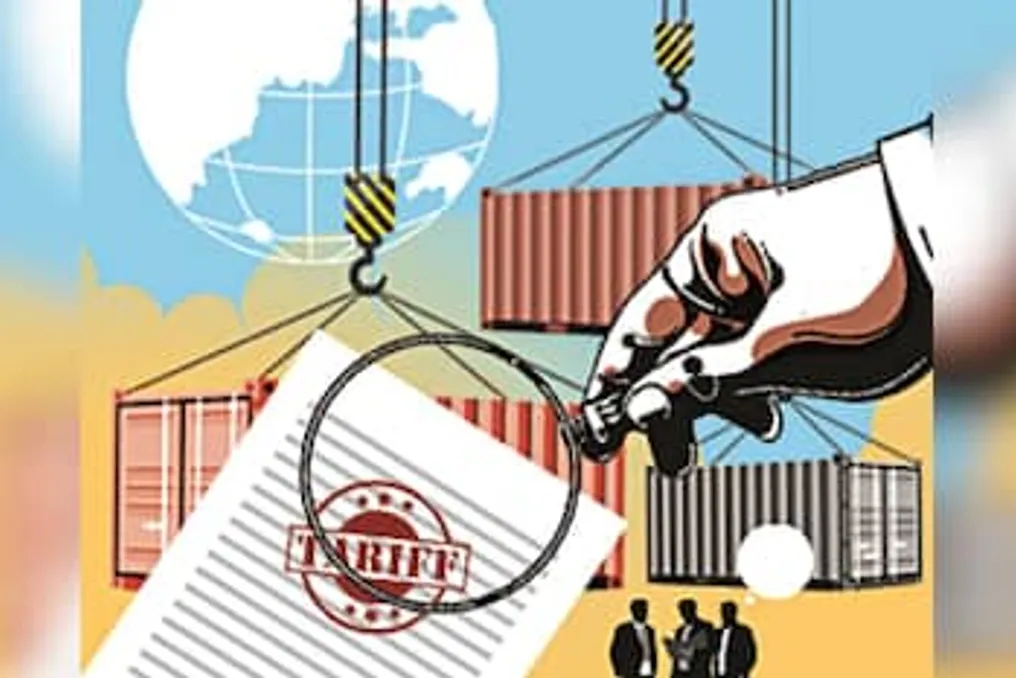
The global energy market was destabilized by the imposition of unilateral tariffs by the US administration under President Donald Trump and the war in Iran, which particularly hit developing countries lacking resources. Recently, Trump signed a new law allowing Washington to impose tariffs of up to 100 percent on imports from countries whose primary energy needs are met by Russia.
As reported by Business Standard on Monday, India imports over 80 percent of its crude oil requirements, and Russia remained India's largest crude oil supplier as of September. Das noted that the recent conflict in the Middle East highlighted the vulnerability of Global South economies to energy shocks, as importing countries bear the main burden in the form of increased fiscal pressure and depletion of foreign exchange reserves.
He concluded that the lesson is clear: diversifying the energy balance can reduce vulnerability and strengthen internal resilience, while renewable energy sources and biofuels can enhance energy security and economic stability.
In recent weeks, the price of the Indian crude oil basket sharply rose to over $116 per barrel due to escalating geopolitical tensions and supply disruptions in the Middle East, whereas the average price last year was $66 per barrel. Das also warned that the Global South faces a serious challenge in fiscal and monetary balancing amid rising costs caused by conflicts and the need to protect populations from spikes in energy and commodity prices.
This could lead to increased debt burdens, tighter monetary policies, and higher debt servicing costs. Therefore, according to Das, Global South economies must skillfully manage this balance by implementing fiscal and structural reforms in the real sector.
Das also mentioned that the reduction in the cost of cross-border operations has allowed global supply chains to gradually integrate developing countries into production networks. For Global South countries, this requires implementing policies aimed at enhancing the competitiveness, reliability, and efficiency of their enterprises, especially given the presence of trade barriers and tariff issues.
He stressed that investments in people and infrastructure, along with an open and business-friendly regulatory framework and private investment, mutually reinforce each other and contribute to job creation. Speaking at the event, Ram Singh, Director of DSE, emphasized the need to rely on the strengths of the country, noting that this issue should be addressed in a world where established world powers employ a protectionist and sometimes extortionate approach.