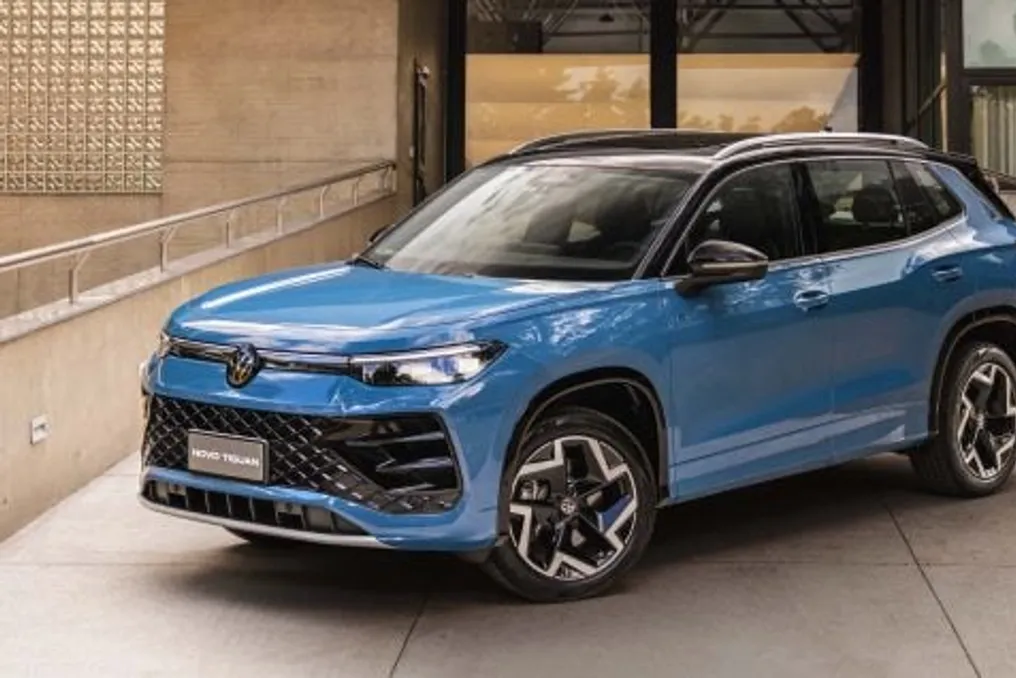
Global recall by Volkswagen and Audi affects 4 million vehicles due to steering failure risk
Read more
AutoPapo
autopapo.com.br

Global recall by Volkswagen and Audi affects 4 million vehicles due to steering failure risk

Volkswagen and Audi have initiated a worldwide recall campaign covering 2,855,601 automobiles due to a potential risk of steering system failure. This action was disclosed on September 22nd by the KBA, the German federal traffic authority, and is related to a screw susceptible to corrosion and subsequent breakage.

Subsequently, the recall was expanded to include Seat and Skoda models, raising the total number of potentially affected vehicles to approximately 4 million, as reported by the German newspaper Handelsblatt.

In the Volkswagen catalog, there are 2,159,054 global units, with 895,832 located in Germany. The Golf, Golf Variant, Tiguan, Touran, and Caddy models, manufactured between September 24, 2013, and July 1, 2024, are included in this group. Audi is responsible for 696,547 cars globally, with 58,555 in Germany, all belonging to the Q3 SUV, produced between October 31, 2017, and May 23, 2024.

The defect lies in the right screw that connects the steering box to the front subframe. Wear caused by moisture and salt residues used on roads during the European winter can lead to the corrosion and weakening of this part.

According to the German portal Heise, the breaking of the screw does not cause an immediate loss of steering, as the box remains fixed at another point; however, additional stress can result in the cracking of the component housing. Neither the KBA nor the manufacturers issued reliable alerts about this issue.

The corrective procedure requires replacing the screw with a more corrosion-resistant model. The German automobile club ADAC reported that, due to stock shortages, some vehicles may initially receive a new screw of the same old type. A Volkswagen spokesperson assured that the vehicles can continue to circulate.

In a statement sent to AutoPapo, Volkswagen clarified that 'internal quality inspections identified a possible failure in the steering system of certain vehicles from different Volkswagen models. After many years of use, exposure to road salt, under specific environmental conditions, can cause corrosion in a system fixing screw. In isolated cases, if corrosion advances, the fixation may be compromised and affect steering operation.' The manufacturer also stated that, so far, there have been no registered victims or significant material damage linked to the issue.

The company emphasized that, 'as a preventive measure and to ensure the highest possible level of safety for customers, Volkswagen is calling on owners of the involved vehicles to visit an authorized dealership and replace the component.' Although the Golf, Tiguan, and Q3 models were sold in Brazil during the mentioned periods, the official Volkswagen note does not specify how many Brazilian cars are affected or which chassis are involved.

Similar stories

Anthropic's IPO Prospectus Reveals Company's Dependence on Major Rivals and Clients
Read more
olhardigital.com.br

Anthropic's IPO Prospectus Reveals Company's Dependence on Major Rivals and Clients

Anthropic's Initial Public Offering (IPO) document highlighted the company's high degree of dependence on a limited circle of clients and technology giants. The report details that Amazon and Google play crucial roles in distributing Anthropic's products, providing computational power, and managing client billing, while simultaneously being major investors and direct competitors in the artificial intelligence (AI) sector.

According to a copy of the confidential IPO filing obtained by Reuters, 47% of Anthropic's revenue from clients in 2025 was channeled through the cloud marketplaces of Amazon and Google. These two corporations are also vital sources of computational capacity for Anthropic, having invested billions of dollars in the AI developer, which, in return, has committed to long-term agreements to acquire computing infrastructure.

Anthropic aims for a market valuation close to US$ 2 trillion (equivalent to R$ 10.4 trillion) and plans to inject hundreds of billions of dollars in the coming years to drive its expansion. Specifically, sales made via the Amazon and Google cloud marketplaces totaled about US$ 2.16 billion (R$ 11.2 billion) in 2025, representing exactly 47% of the company's annual revenue.

An analysis conducted by Reuters indicated that Anthropic disbursed approximately US$ 351 million (R$ 1.8 billion) in distribution fees to these platforms, corresponding to about US$ 0.16 for every dollar sold through these channels. These costs are recorded by Anthropic under operating expenses related to sales, marketing, and partnerships.

This dependence has grown sharply in recent years. In 2023, sales mediated by Amazon and Google represented only 11% of Anthropic's revenue; this percentage rose to 32% in 2024 and reached almost half of the revenue in 2025.

Complex Financial Structure

This arrangement establishes a unique financial configuration: the two giants invest in Anthropic, provide computational resources, and assist in marketing its products, while simultaneously competing with it in the development of AI systems. The prospectus admits that reliance on a limited number of partners and suppliers generates 'complex dynamics that can create conflicts of interest and negatively impact our access to computational capacity.'

Anthropic's dependence goes beyond just distribution. By the end of 2025, the company had US$ 54.6 billion (R$ 284.2 billion) in unconditional hosting and computing obligations. At the beginning of 2026, the total amount of these long-term commitments exceeded US$ 417 billion (R$ 2.1 trillion), covering 3.5 gigawatts of dedicated computing capacity. Additionally, the company signed a cloud computing agreement with Microsoft in November.

In the document, Anthropic frames the relationship with Amazon, Google, and Microsoft as a commercial advantage. By placing Claude on these companies' platforms, the developer leverages the giants' sales networks to reach customers who already use their services, accelerating market penetration on a scale difficult to replicate in isolation.

However, the cloud providers gain visibility into the pricing and commercial terms applied by Anthropic. According to the document, this information can influence decisions regarding the allocation of computational capacity and the level of effort exerted by the companies themselves in promoting the company's products. It is relevant to note that the cloud providers are also among Anthropic's clients.

Concentration is also observed in how payments are processed. Amazon and Google were responsible for collecting 60% of the US$ 909 million (R$ 4.7 billion) in accounts receivable at the end of 2025, compared to 42% in 2024. Anthropic warns that any delays or disputes in this payment flow could harm its cash flow, even when contracts are closed directly between the company and its clients.

The consumer base also shows concentration: two unspecified clients were individually responsible for 12% of the company's revenue in 2025. The company also signals that many of its largest clients do not have long-term contracts and may choose to decrease or suspend the use of its services.

Accounting Implications and Competition

The agreements with cloud platforms complicate the financial comparison between Anthropic and its main rival, OpenAI. Anthropic records the total value of contracts closed through cloud marketplaces as revenue. Although the customer accesses Claude through the provider's platform, Anthropic sets the price and provides the service, recording the portion passed on by the platforms as a marketing expense.

OpenAI has already informed investors and employees that this method makes Anthropic's reported revenue appear higher by billions of dollars. For its part, Anthropic informed Reuters that it follows established accounting practices and recognizes gross revenue because it is the 'principal' entity in the transaction.

Fiat reveals Argo X, a new model inspired by the Grand Panda, which will not replace the current Argo
Read more
autopapo.com.br

Fiat reveals Argo X, a new model inspired by the Grand Panda, which will not replace the current Argo

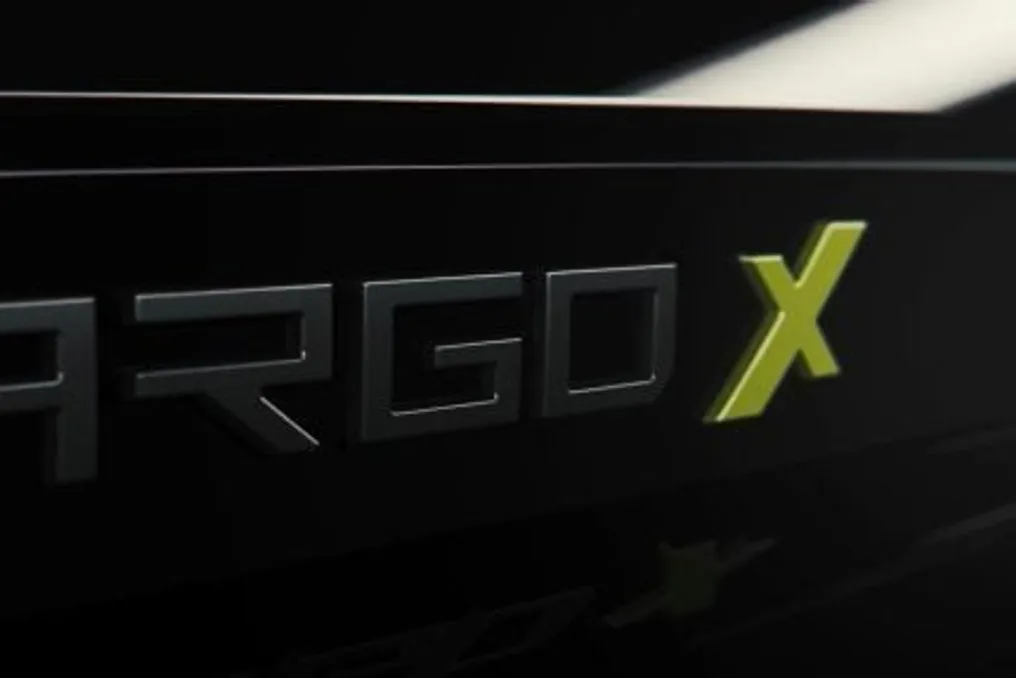
Fiat has presented the first images of the Argo X, a new vehicle that will be manufactured at the Stellantis factory located in Betim, Minas Gerais. This car is part of the brand's modernization plan in Brazil but will not aim to immediately replace the current Argo model.

The design of the new car was inspired by the European Grand Panda and features a distinct visual identity, characterized by X-shaped lighting elements. This detail is visible in both the front DRLs and the rear taillights, and the body blends traits of a compact hatchback with aesthetic characteristics linked to SUVs.

Although Fiat is keeping the launch secret, the company clarified that the Argo X will not discontinue the current generation of the hatch. The existing Argo will remain as an entry-level option, while the Argo X will occupy a higher position in the product line. This strategy aims to expand the brand's presence in a market segment that combines compact hatchbacks and vehicles with greater ground clearance.

The Argo X uses the Stellantis Smart Car platform, an architecture derived from CMP and also serving as the basis for other group models, such as the Citroën C3 and the Jeep Avenger.

Fiat has not yet provided all the technical details of the model intended for the Brazilian market. However, information obtained by specialized vehicles suggests the use of the naturally aspirated 1.0 Firefly engine in the entry-level versions and the 1.0 turbo flex coupled with a mild hybrid system in the more sophisticated versions. The transmission planned for the vehicle will be automatic CVT.

Details such as prices, version specifications, complete equipment list, and the exact debut date will still be communicated by Fiat. The Argo X is configured as one of the central launches for the brand in the Brazilian scenario during the renewal of its compact car lineup.

Popular