Recipe for Making Crispy Gujarati Khakra at Home
Read more
Aaj Tak
www.aajtak.in

Recipe for Making Crispy Gujarati Khakra at Home

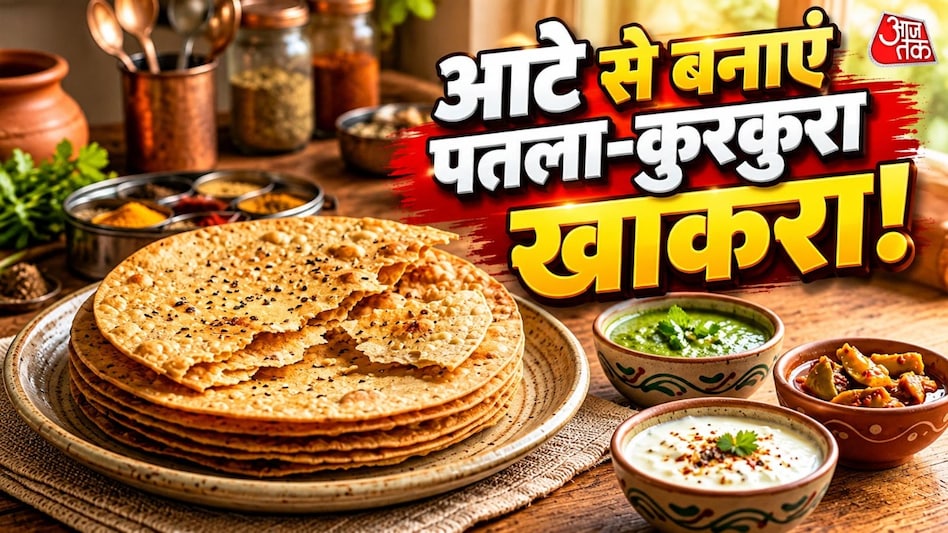
When you crave something crispy in the morning or evening with tea, the pleasure doubles. Although many prefer salty biscuits, Gujarati khakra offers a new and original snack option. This product is popular in Gujarat and can be eaten anytime—from breakfast to evening tea, and it keeps well.

The thin, crispy, and light khakra is very loved in Gujarati families. It can be paired with pickled vegetables, yogurt, chutney, or tea. The advantage of this dish is that it is easy to prepare at home without buying it from a store, and it does not require many ingredients. A simple recipe for making Gujarati khakra is presented below.

Homemade khakra can be enjoyed in the morning with tea or milk. Additionally, it is served with yogurt, green chutney, pickles, or dry vegetable snacks. If you like spicy flavors, you can enhance them by adding red chili and a little cumin to the khakra.

How to properly store khakra

After completely cooling, the khakra should be placed in an airtight container. Moisture in the container can cause the khakra to become soft. With proper storage, homemade khakra can be used as a snack for several days.

Similar stories

Recipe for Crispy Khachori with Green Beans, Served with Spicy Vegetable Ragout
Read more
www.aajtak.in

Recipe for Crispy Khachori with Green Beans, Served with Spicy Vegetable Ragout

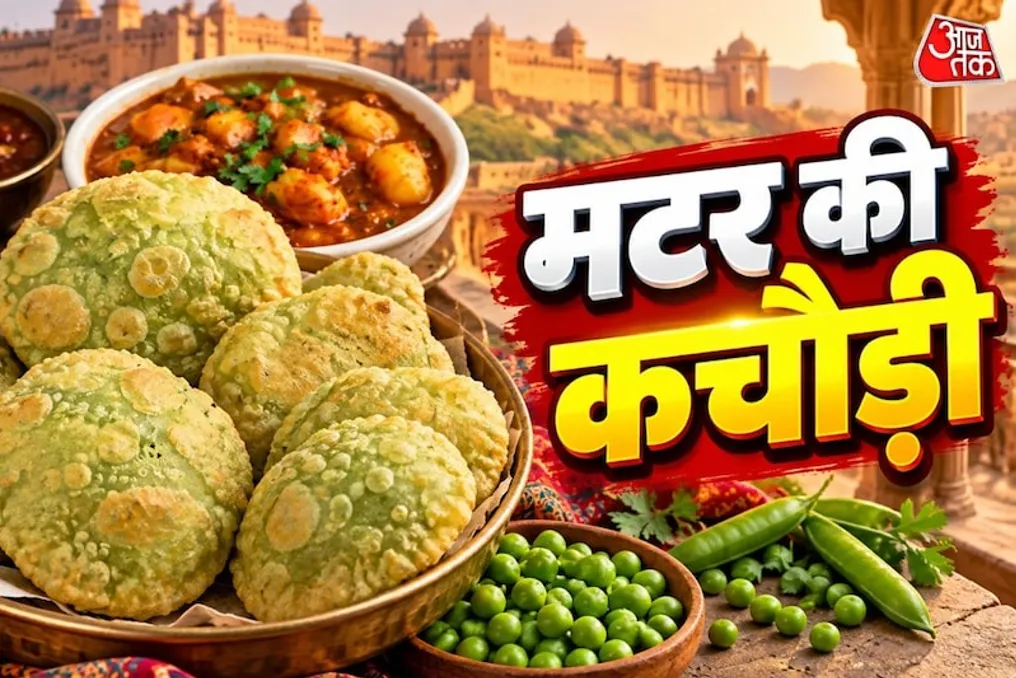
If you are tired of monotonous food like simple dal and roti all week, then this weekend is a good time to prepare something special and aromatic. Regardless of the season or the desire for a special weekend breakfast, crispy khachori with green beans will be an ideal choice.

When the filling of fried beans, seasoned with asafoetida, fennel, green pepper, and other spices, is placed in a crispy semolina shell and fried, its aroma fills the entire house.

Serving these hot, spicy, and juicy khachori with rich potato ragout creates such a delight that it is impossible to stop. Below is a simple way to prepare khachori of restaurant quality.

For the khachori dough:

2 cups semolina (or 1 cup semolina + 1 cup wheat flour)

1/4 cup clarified butter or vegetable oil (for moina)

1/2 teaspoon ajwain

Salt to taste

Cold water (for kneading the dough)

For the bean filling:

1.5 cups green beans (fresh or frozen)

1 tablespoon oil

1/2 teaspoon asafoetida (hing)

1 teaspoon cumin (jeera)

1 tablespoon fennel (chopped)

1 tablespoon whole coriander (coarsely ground)

1-2 green peppers and 1 inch ginger (grated)

1 tablespoon chickpea flour (besan) (to absorb moisture and enhance flavor)

1/2 teaspoon turmeric and red pepper powder

1 teaspoon amchur powder and garam masala

Salt and black salt to taste

Oil for frying

Preparing the dough: In a bowl, mix the semolina, salt, ajwain, and moina oil. Rub well with your hands until the flour starts to form a lump. Then gradually add cold water and knead a soft and elastic dough. Cover it with a damp cotton cloth and leave it for 20 minutes.

Preparing the filling: Lightly crush the green beans in a blender without adding water to obtain a coarse crumble. Heat 1 tablespoon of oil in a pan. Sauté cumin, asafoetida, ground coriander, fennel, ginger, and green pepper. Add 1 tablespoon of chickpea flour and fry on low heat for one minute. Then stir in the crushed beans and all dry spices (turmeric, red pepper, amchur, garam masala, salt), frying for 4-5 minutes until the mixture dries out. Let the filling cool and form small balls.

Shaping the khachori: Take a piece of dough, stretch it at the edges to form a bowl shape. Place a ball of filling in the center and carefully seal the edges, thoroughly enclosing the filling. Press with your fingers to give the item a flat shape.

Frying: Heat the oil in the pan to a low or medium heat (the oil should not be too hot, otherwise the khachori will not become crispy). Place the khachori in and let them float gently. When they start to expand and take on a light golden color, increase the heat to medium and fry on both sides until a crispy and golden crust is achieved.

Serving: The finished, crispy, and hot khachori with green beans should be served with spicy and juicy potato ragout and green paste.
Chef Ajay shares a recipe for restaurant-style mixed vegetables made at home
Read more
www.aajtak.in

Chef Ajay shares a recipe for restaurant-style mixed vegetables made at home

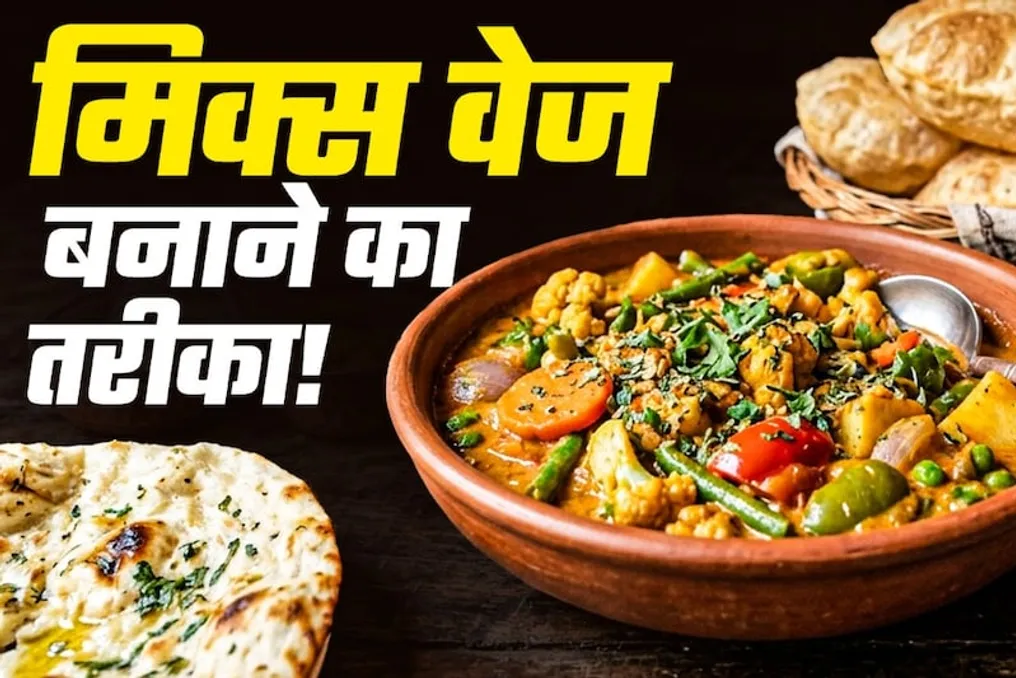
Mixed vegetables, which are served at weddings and in restaurants, are very popular among people. Although they are loved at celebrations, the homemade version often does not evoke the same enthusiasm. With the change of season after the heat and monsoons, vegetables other than pumpkin and zucchini begin to appear in the markets.

If you also like mixed vegetables but cannot cook them deliciously enough at home, there is no need to worry. Today we will tell you a simple recipe for making mixed vegetables in a restaurant style, which will be very useful for you.

Chef Ajay Chopra shared a simple recipe for restaurant-style mixed vegetables that is easy to make at home by following his instructions.

Restaurant-Style Mixed Vegetable Recipe:

To start cooking, you need to prepare the ingredients. Dry spices are used for the sauce and paste.

Preparing Mixed Vegetables:

First, all vegetables should be chopped, and then water with added salt should be heated in a pot, and cauliflower, green beans, and carrots should be lightly boiled in it.

Next, oil is heated in the pot, and cumin seeds are fried along with finely chopped onion until golden brown. After frying the onion, ginger and garlic paste is added and simmered. Then turmeric, red pepper, and coriander powder are mixed in, and the mixture cooks for another 2-3 minutes.

After the dry spices have been sautéed, yogurt is added to them and stirred constantly until the yogurt starts to separate oil, which means it has thickened. When the yogurt is ready, finely chopped tomatoes are added and mixed until the tomatoes turn into a puree; then a little water is added.

At this point, soaked dried mint is added to the sauce. Soaking helps to remove the toughness of the dried mint. After this, peas are added to the pot and covered with water, leaving it to soften. The peas are well mixed, adding salt.

In the next stage, cashew paste is added to the sauce, and it must be stirred constantly so that it does not stick to the bottom.

While the sauce is cooking, bell peppers, onions, and tomatoes are lightly fried in another pan with one teaspoon of oil over high heat. A pinch of salt is also added to these vegetables and mixed.

Then all the pre-boiled vegetables are added to the sauce, poured with a small amount of cream, and mixed. After that, the fried vegetables are added to the same pot, and topped with fresh dill and hot spice powder, mixing thoroughly.

How to Serve:

Mixed vegetables are traditionally served with roti and paratha, but the enjoyment of the food doubles if hot puri is served with this vegetable dish. In addition, mixed vegetables pairs very well with naan.

Mooli Bhaji Dal Recipe: Traditional Chattisgarh Dish with Garlic and Pepper Aroma
Read more
www.aajtak.in

Mooli Bhaji Dal Recipe: Traditional Chattisgarh Dish with Garlic and Pepper Aroma

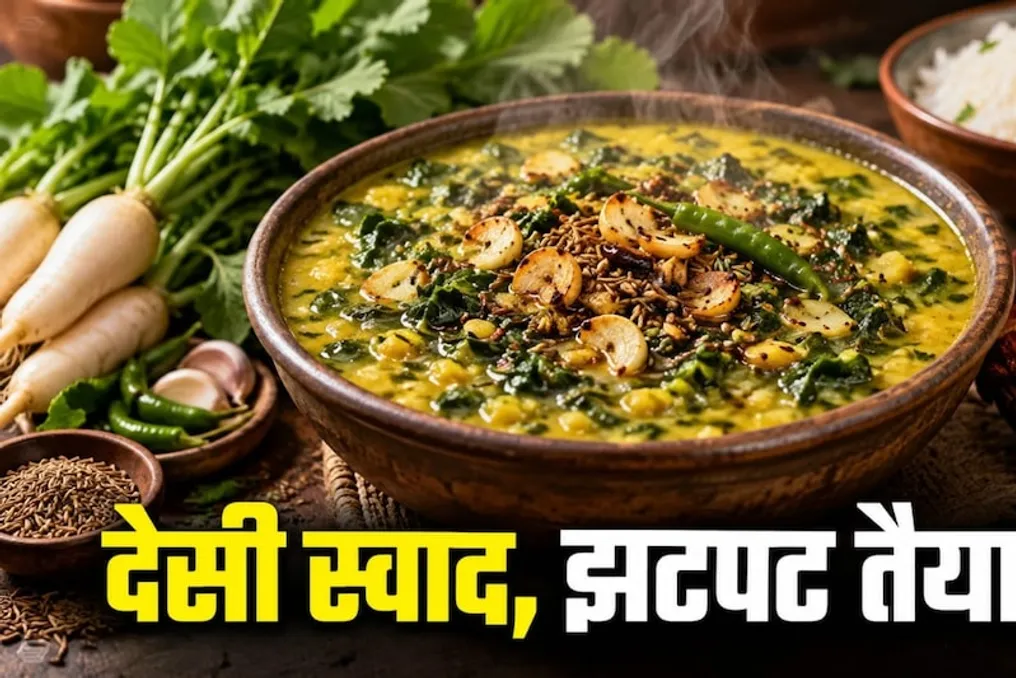
During the monsoon season, many prefer fried snacks (pakoras), which, although very tasty, require significant time and effort to prepare. In such cases, a dish that combines the taste of home cooking with minimal hassle can be ideal. Mooli Bhaji and Dal from Chattisgarh is exactly such a traditional dish.

This vegetable dish, made from radish leaves and dal, is prepared with a small amount of spices, but thanks to the addition of garlic, pepper, and cumin tarka (tempering), it acquires a special flavor. It is served hot with rice or flatbreads, turning an ordinary meal into something exquisite. If you want to enjoy the monsoon season, this recipe might be useful for you.

Mooli Bhaji Dal Recipe:

The following ingredients are used to prepare Mooli Bhaji and Dal:

Preparation Method

  1. The main feature of this dish is the use not only of the radish itself but also its green leaves, i.e., Mooli Bhaji. First, the leaves must be carefully selected and cleaned.
  2. To remove dirt settled on the leaves, they need to be thoroughly washed under running water. Then, the bhaji should be chopped finely or to your liking and washed again.
  3. After cleaning, the Mooli Bhaji is placed together with the dal in a pressure cooker. Water and salt are added as needed, the lid is closed, and it is cooked until about 2-3 whistles (sities) are heard.
  4. When the pressure in the pressure cooker drops, open the lid and mix the bhaji and dal thoroughly.
  5. Now it's time to make this simple dish delicious. Heat a little oil in a pan. When the oil is hot, add cumin, garlic, and pepper and fry until done. As soon as the garlic lightly browns and starts emitting an aroma, the tarka is ready.
  6. Then, add the cooked Mooli Bhaji and dal from the pressure cooker to the pan. Mix all ingredients thoroughly and cook for a few minutes so that the flavor of the tarka fully permeates the dish. Salt and spices can be adjusted to taste if desired.

A Delicacy with Rice or Flatbread

This Mooli Bhaji and Dal dish has long been part of the culinary traditions of Chattisgarh. Its advantage is that it does not require many spices or any special ingredients; excellent taste is achieved with regular dal, green bhaji, and homemade spices.

Its taste is especially good with hot rice on rainy days, but it is also easy to serve with flatbreads. If you want to try something different yet completely traditional, you can prepare this Mooli Bhaji and Dal from Chattisgarh.

Popular