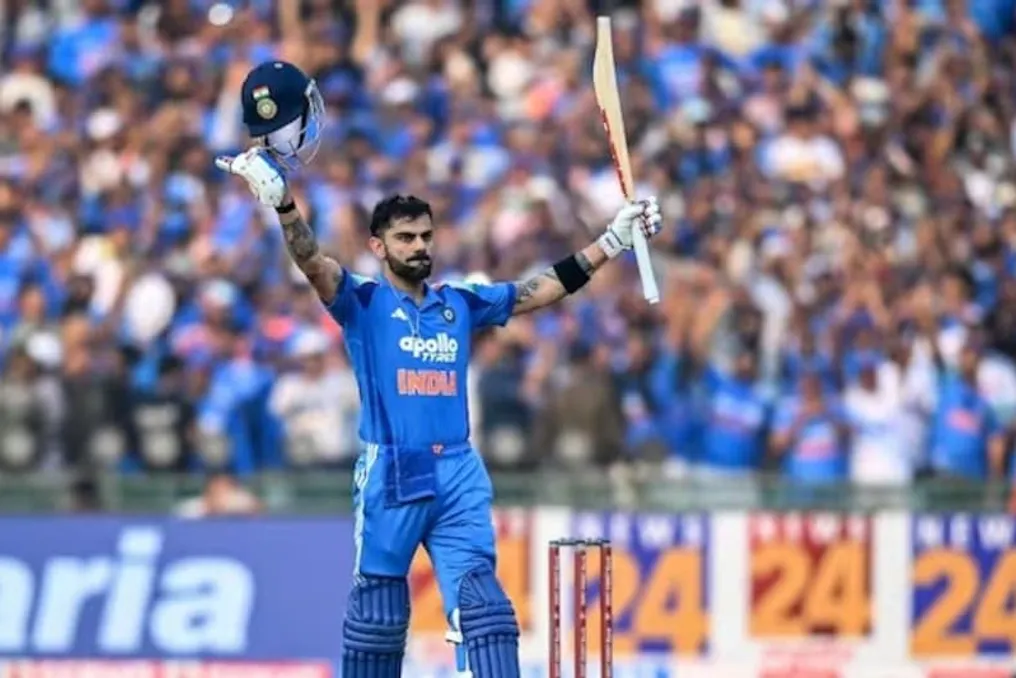
Virat Kohli is currently not limited to scoring centuries; he is playing more openly. In the match against West Indies, he played an incomplete innings of 139 runs off 88 balls, hitting 9 sixes, with 50 balls remaining until the end. This contribution helped India secure the victory. To consider this innings merely part of his 55th century in ODI format would be unfair. This game signaled Virat's return, who has always attacked bowlers as soon as he got the chance and never feared hitting powerful shots.
At 37, Virat played with a combination of experience and significant recklessness. He looked less like a player who respected every ball and more like one who aimed to send the ball into the stands at the first opportunity. Nine sixes are the main proof of this. This is the highest number of sixes in a single innings in his ODI career ever.
Perhaps the most interesting part of this story is that after retiring from Test matches, Virat's 'defense' also disappeared. Now Virat only has ODIs left for the Indian team, and this is reflected in his game. He no longer fears taking risks early in the game. Until 2025, his average strike rate in the first 10 balls in ODIs was around 72, but now it has exceeded the mark of 100. This means his approach to the start of the game has changed.
Previously, he would first study the pitch, then the bowler, and only then attack. Now, it seems the waiting period to study the bowler has shortened, and the attack happens earlier.
Virat is now aiming not just to build an innings, but to attack it. The first demonstration of this changed style occurred in the series against South Africa, and against West Indies, this picture became completely clear. 139 runs off 88 balls is not just a measure of speed, but also a measure of mental shift.
Virat's total international centuries have reached 86. He needs 14 more centuries to reach the magical mark of 100. Since he plays only ODIs and considering the current schedule, he has a limited number of chances. This is where the discussion about 100 centuries begins.
Ajinkya Rahane noted in an interview with Cricbuzz that if Virat Kohli sets a goal of 100 international centuries, he can achieve this milestone. Rahane's words contain an old image of Virat in cricket: the greatest pressure on Virat comes not from anyone else, but from himself, and this pressure often brings out the best player in him. If the goal of 100 centuries is in his head, this pressure can become fuel for him, rather than a burden.
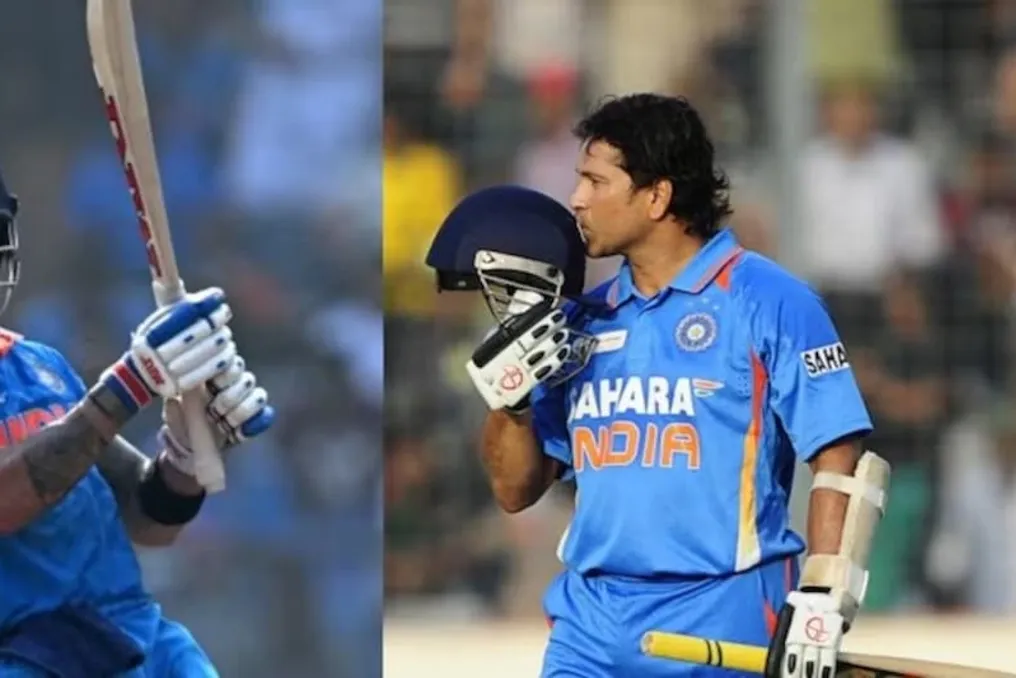
Rahane also emphasized that thinking about achieving any milestone is not selfish. In Virat's case, his idol has always been Sachin Tendulkar, who achieved this feat of 100 international centuries, which no one else has done yet.
Maybe. But the real question is whether Virat plays for 100 centuries? The answer, judging by Sunday's game, seems different.
Virat has repeatedly stated that he plays not for personal achievements. This may seem contradictory to his critics. However, there is a difference between a milestone and a goal in cricket. You can dream of 100 centuries, but you cannot play every innings thinking about the 100th century. Virat's greatest strength was that when he stepped onto the field, the ball and the situation were the biggest goals before him.
This is why there was no feeling during the discussion of 100 centuries in Sunday's match that Virat was chasing any statistic. He was chasing the ball. It is important to understand the difference. If 100 centuries are his goal, then this goal should not stop him... but should make him more aggressive. Because self-imposed pressure in his cricket career is not new. He created much of his greatness precisely because of this self-control.
The figure of 100 international centuries is important for Virat because Sachin Tendulkar is before him. Sachin was his idol, and now this figure stands before Virat. But there is a big difference in comparison. Sachin scored 100 centuries combining Tests and ODIs. Virat has retired from Test cricket. Consequently, his path is shorter and more difficult.
There are 14 centuries left, and time is limited. Therefore, Virat's next chapter will be related not so much to the number of centuries, but to his physical condition, form, and ODI schedule. He will have to play big innings in every series. It is not necessary for every innings to turn into a century, but thanks to the type of start he has begun using, his chances of scoring big runs definitely increase.
The biggest change in Virat's game might not be the 9 sixes. The change is that he no longer looks restrained at the beginning. Once, risk in Virat's game meant the danger of losing a wicket. Now, perhaps, he sees risk as a path to scoring runs. And that is why...
_