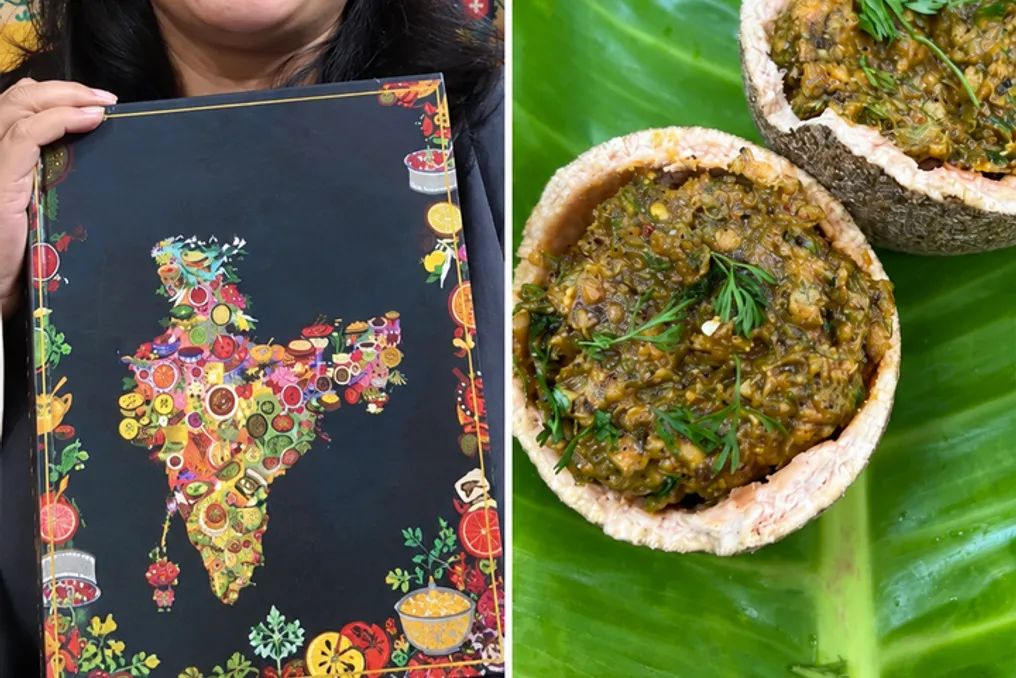
What do red ants, perilla seeds, and fermented soy beans have in common? All of these can become part of a chutney anywhere in India. Food chronicler Rushina Munshaw-Gildiyal began documenting these ingredients and discovered over 230 recipes, 140 participants, and an extensive reservoir of regional culinary knowledge.
The reason is that the term 'chutney' does not denote a single product. It can be prepared in various ways—ground, minced, mashed, boiled, or fermented, using leaves, seeds, nuts, flowers, fruits, and even food scraps. Furthermore, the recipe can vary from one family to another.
This raises the question: how to systematize something that is constantly changing? This requires not just division by state, but also consideration of climate, geography, available ingredients, and micro-regions. For example, in Karnataka, even the transition from the coast to inland areas can change the composition of the chutney.
There are many types of chutney that few people have heard of: for instance, poppy seed chutney from Kerala, bhangdere from Kumaon, fermented soy axon from Nagaland, or red ant chapta from Chhattisgarh.
Some recipes demonstrate another form of ingenuity—the ability to create flavor from what is at hand. Peels, trimmings, seeds, stems, and wild-gathered ingredients have long been used in chutneys, long before the trendy term 'zero-waste cooking' emerged.
However, the main archive of knowledge was not always kept on paper. The study combined academic works, archives, oral histories, and narratives. One recipe was obtained during a conversation with an airport immigration officer who shared a family recipe for Haryana chutney.
And this is perhaps the most important lesson learned from the two-year chutney study: Indian cuisine does not always fit into strict categories. It transforms depending on local harvests, ingredient availability, family memories, and the chef's own decisions.