To introduce children to nature, it is not necessary to organize long hikes or traditional wildlife tours. Many unforgettable natural experiences occur when children are encouraged to stop, listen carefully, touch, smell, taste, and observe their surroundings.
South Africa has many locations where children can interact with the natural world in a hands-on way. These six destinations allow a family walk to turn into a sensory adventure.
Walter Sisulu National Botanical Garden
The Walter Sisulu National Botanical Garden in Roodepoort offers a good way to start introducing children to nature who are not yet ready for strenuous climbs. The garden combines landscaped areas with natural habitats, walking trails, a waterfall, birds, and local vegetation.
The garden is home to about 240 species of birds, and over 600 species of plants grow in various habitats. A pair of Verre eagles nests on the cliffs near the Witportjie waterfall. The waterfall and birds in the garden serve as a simple starting point for a five-sense game. You can ask children to count how many different bird calls they hear, look for movement in the trees, and feel the different textures of leaves, bark, and stones along the way.
Furthermore, the garden features a butterfly garden and other themed zones, allowing exploration of nature without straying far from the city. It is suggested to have a picnic and ask the children to choose one thing they can see, hear, smell, touch, and taste before returning home.
Kloofendal Nature Reserve
Kloofendal Nature Reserve in Roodepoort turns a bushwalk into an opportunity to study the natural world. This 128-hectare reserve is an important site for environmental education and includes walking trails, a pond, a bird-watching hide, and various small mammals.
Of particular value to this article are the organized tours offered by the Friends of Kloofendal organization. These include bush walks focusing on edibles, butterfly events, frog outings, bird-watching hikes, geological excursions, and even creating art from plant material collected in the reserve. Experiencing wild edible plants introduces children to wild fruits, tea, coffee, and jams, while other activities encourage them to closely observe butterflies, listen to frogs, and learn about landscape formation.
Some of these tours are specifically designed for family recreation. For example, a two-hour butterfly tour allows participants to briefly catch butterflies for identification before releasing them unharmed. It is advised that children take a small notebook and describe or draw five things they noticed using their senses.
Indigenous Forests around Harkerville
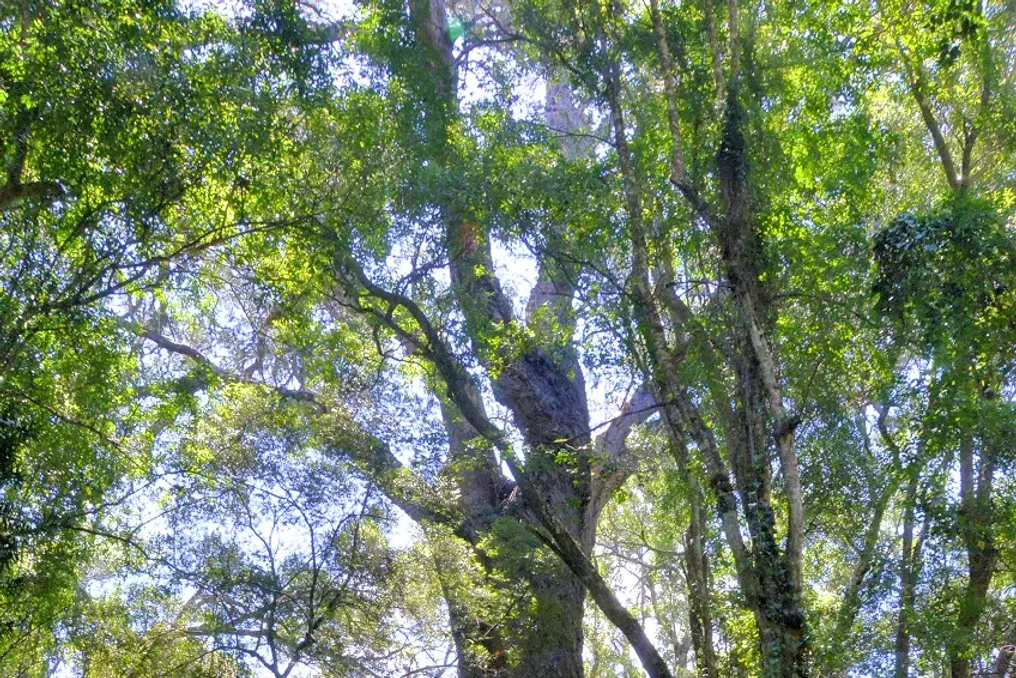
The indigenous forests around Harkerville offer a completely different sensory experience. In Eden Garden, short circular trails pass through a moist montane forest where trees such as stinkwood, calander, and wit-els grow. There is also an 800-meter path accessible by wheelchair. Nearby in Kransehoek, there is a picnic area overlooking the coast and a stream where children can look for frogs.
This is a place where children can slow down and pay attention to details that are easily missed. The forest canopy alters the light and sounds around, and the leaves, bark, stones, and damp earth provide many different textures to explore. It is advisable to choose easier routes instead of attempting the Harkerville coastal trail with young children, as the latter is a challenging 26 km route not recommended for children under 12 years old. It is recommended to stop by the stream and allow the children to spend five quiet minutes listening to frogs, insects, and birds.
Garden Route National Park
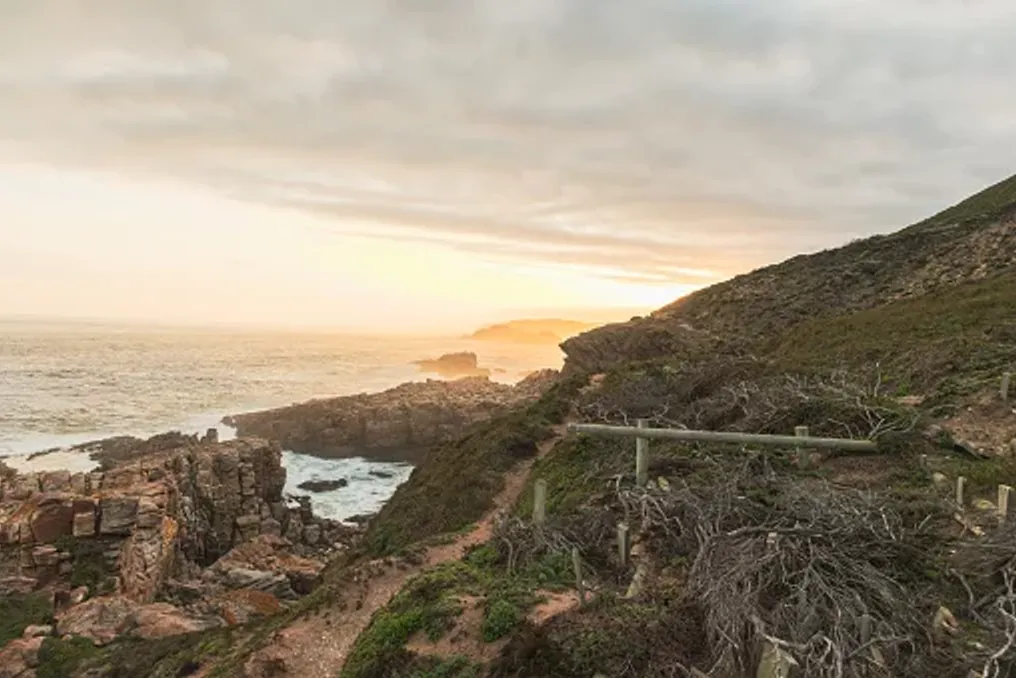
The Garden Route area in the National Park is built around a landscape consisting of lakes, rivers, estuaries, forests, and mountains. It gives families the opportunity to get to know nature from different perspectives. There are forest trails, bird hides, and waterways for exploration, and canoeing offers another way to experience the landscape. SANParks notes that this area is home to various bird species, including Knysna hornbills and several species of kingfishers.
Family recreation here can be as simple as walking along the river and listening to the water, watching birds from a hide, or quietly paddling on one of the waterways. This area also has designated spots for day visitors, such as the Tuw River estuary, Island Lake, and Woodville Big Tree, providing families with options beyond multi-day hiking. When canoeing or walking along the river, it is worth asking children to listen to the sounds coming from the water, forest, and sky, and determine how many they can recognize.
Imhof Farm
Imhof Farm in Kommetjie offers a more intimate way for young children to connect with nature. The Higgeldy Piggeldy farmyard allows children to feed and touch friendly farm animals, including ponies, cows, sheep, goats, pigs, emus, and rabbits. The farm itself combines open green spaces, animals, vineyards, restaurants, and other family-friendly attractions. Its location also incorporates the mountains, sea, and countryside of the Cape Peninsula into the overall experience. It is a simple place to turn an ordinary family outing into a sensory exercise. Children can feel the animal's fur, hear various noises around the farm, smell the countryside, and observe animal behavior. Food adds another sensory layer: the farm has snack bars offering locally produced goods, fresh juices, baked goods, and other farm-style food. It is suggested to let children choose their favorite animal and describe what it looks like, sounds like, and feels like before stopping for a farm snack.
Monkyland Primate Sanctuary
At Monkyland Primate Sanctuary near Plettenberg Bay, the focus is on observing rescued primates in a forest environment rather than viewing animals in standard cages. Monkyland calls itself the world's first free-roaming multi-species primate sanctuary. It currently cares for over 550 rescued primates of nine species, striving to provide them with the most natural life possible within the sanctuary's habitat. For children, the forest setting makes this experience more than just spotting monkeys. They should be encouraged to listen to calls in the trees, look for movement in the canopy, and notice how the animals use their surroundings. This experience can also prompt discussions about wildlife rescue, habitat, and why wild animals need natural conditions. Before entering the sanctuary, children can be asked to predict how many different animal sounds they will hear, and afterward, compare what they heard with their expectations.
Children do not need to know the names of every bird, plant, or animal they encounter to benefit from time spent outdoors. By asking simple questions, an ordinary family walk can turn into a much more memorable experience. The essence is not to rush through a checklist, but to give children a reason to slow down and pay attention to the natural world around them.