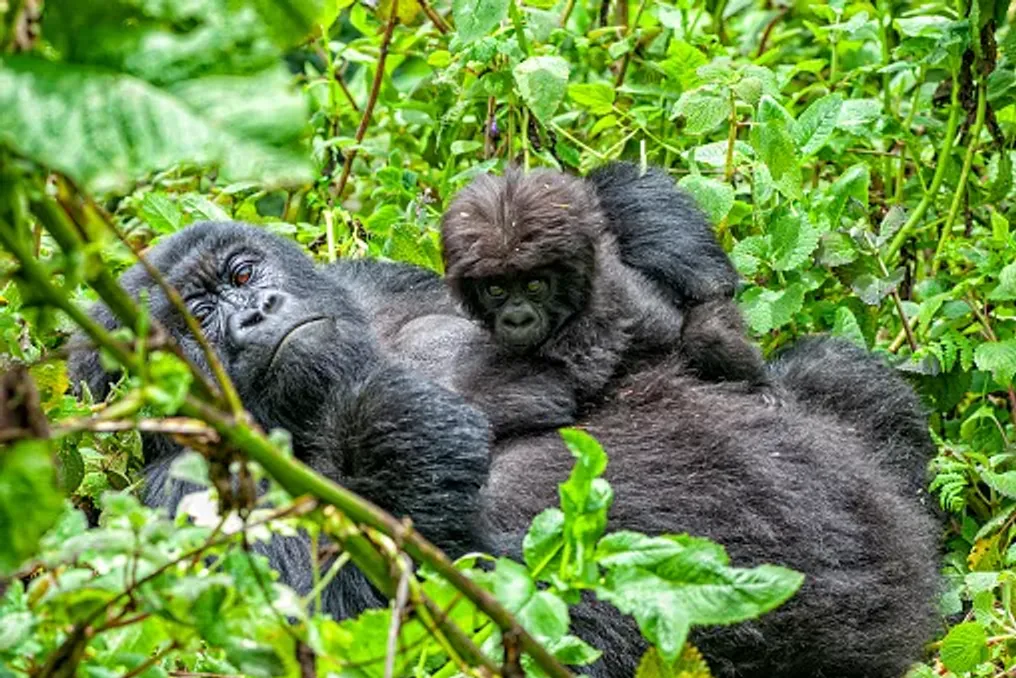
Rehabilitated Grauer's gorilla gives birth to infant in Virunga National Park (DRC)
Read more
Getaway
getaway.co.za

Rehabilitated Grauer's gorilla gives birth to infant in Virunga National Park (DRC)

A Grauer's gorilla, which was returned to the wild in the Democratic Republic of Congo (DRC), has given birth to her first infant. This case is considered a rare success in the conservation of one of Africa's most vulnerable great ape species.

The gorilla, named Lulingu (Gorilla beringei graueri), gave birth in May 2026 after being released into Virunga National Park in eastern DRC in 2024.

The birth is particularly significant because Lulingu was previously a rescued orphan. Specialists at the Gorilla Rehabilitation and Education Center (GRACE) cared for her for many years before returning her to the wild.

Jackson Kabuya Mbeke, GRACE's country director, told Mongabay: 'The infant and mother are doing well. This makes us very happy. We are proud of her; it is also part of our success.' He added: 'Imagine, we knew her as an infant, watched her grow, rehabilitated her, and now she has become a mother.'

Lulingu arrived at GRACE in 2016 when she was about 18 months old. She was rescued from the illegal wildlife trade network involving the Congolese Wildlife Authority and the NGO Gorilla Doctors.

At the 16-hectare GRACE sanctuary, she was provided with space to forage, socialize, and develop natural behaviors alongside other rescued gorillas. The goal of this sanctuary is to prepare animals for subsequent release into suitable forest environments.

Lulingu was part of a group of four Grauer's gorillas released into the wild near Mount Tshiaberimu in Virunga National Park in October 2024. Mongabay reported at the time that this release was the largest reintroduction of Eastern gorillas in Africa.

The successful birth indicates that she has adapted to life in the wild. Mbeke told Mongabay: 'The fact that Lulingu gave birth to an infant is a sign that she has successfully adapted to life in the wild.'

Similar stories

Canoeing venue in Australia with crocodiles approved for 2032 Olympics
Read more
getaway.co.za

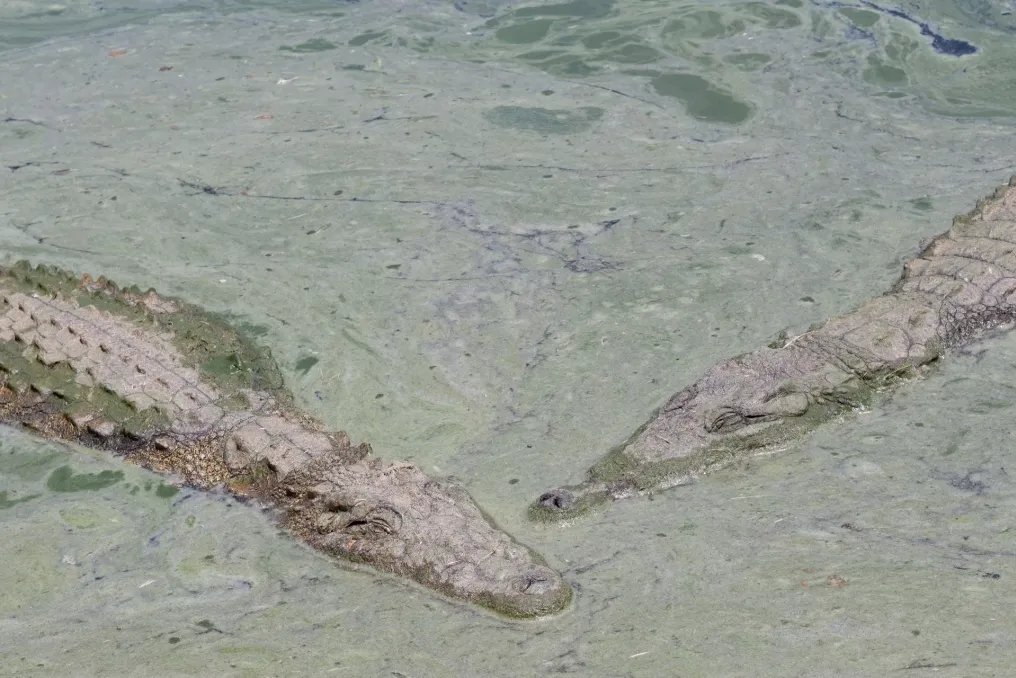
Canoeing venue in Australia with crocodiles approved for 2032 Olympics

A river in Australia inhabited by about 500 saltwater crocodiles has received approval to be used as a venue for rowing and canoeing at the 2032 Olympic and Paralympic Games in Brisbane.

According to a BBC report, the Fitzroy River in Rockhampton, Queensland, underwent an independent technical assessment confirming its suitability for hosting these competitions. The assessment considered factors such as water levels, weather conditions, and flood risk, but did not take into account the crocodile population of the river.

The Fitzroy River is home to approximately 500 saltwater crocodiles, which locals call 'Salties'. This species can live in both fresh and saltwater and represents the largest living reptile, with some individuals reaching over six meters in length.

Despite its unusual neighbors, the 'Fitzroy River Flatwater Facility' is already used for rowing and other water sports. School championships, local regattas, and national team training camps are held there, with procedures in place in case crocodiles are spotted in the area.

International governing bodies for rowing (World Rowing) and canoe sprint (Paddle Worldwide) have approved the venue following the completion of the technical review. World Rowing President Jean-Christophe Rolland stated that the analysis showed the possibility of ensuring fair competition conditions during the Games, while Paddle Worldwide President Thomas Konieczko noted that the work increased confidence in the venue's ability to provide suitable conditions for canoe sprint athletes.

Rockhampton is located approximately 600 km north of Brisbane and will be one of the locations outside the capital of Queensland used for the 2032 Games. The Fitzroy River venue is already an established facility for water sports, allowing for the development of existing infrastructure rather than the creation of an entirely new site.

The latest assessment focused on whether the course meets the requirements of the Olympic and Paralympic Games under various conditions. Nevertheless, the crocodiles remain an obvious topic of discussion.

Brisbane 2032 President Andrew Liveris previously downplayed concerns about Australian wildlife, comparing the situation to surfing in waters where sharks are present. After the venue's approval, he noted that this decision provided greater certainty for the next stage of venue planning and the execution of the Games.

However, not everyone is convinced that the Fitzroy River is the ideal location for an Olympic event. Australian rower Drew Gunn, a three-time Olympic gold medalist, told BBC Radio about his concerns regarding flooding, fair competition, and the experience for athletes and spectators at a venue located six to seven hours away from Brisbane.

Gunn admitted that he was not concerned about Australian wildlife but agreed that the proximity of crocodiles would be an unusual experience for many athletes. He also questioned how changes in river conditions might affect different lanes during a race. These concerns are raised despite the fact that international rowing and canoeing organizations approved the venue after reviewing the technical assessment. Currently, the Fitzroy River has been granted permission to continue the planning process. By 2032, athletes competing for Olympic and Paralympic medals may compete on a river where hundreds of famous and formidable Australian reptiles live.

Rescued gorilla gives birth to infant after returning to the wild in DRC
Read more
getaway.co.za

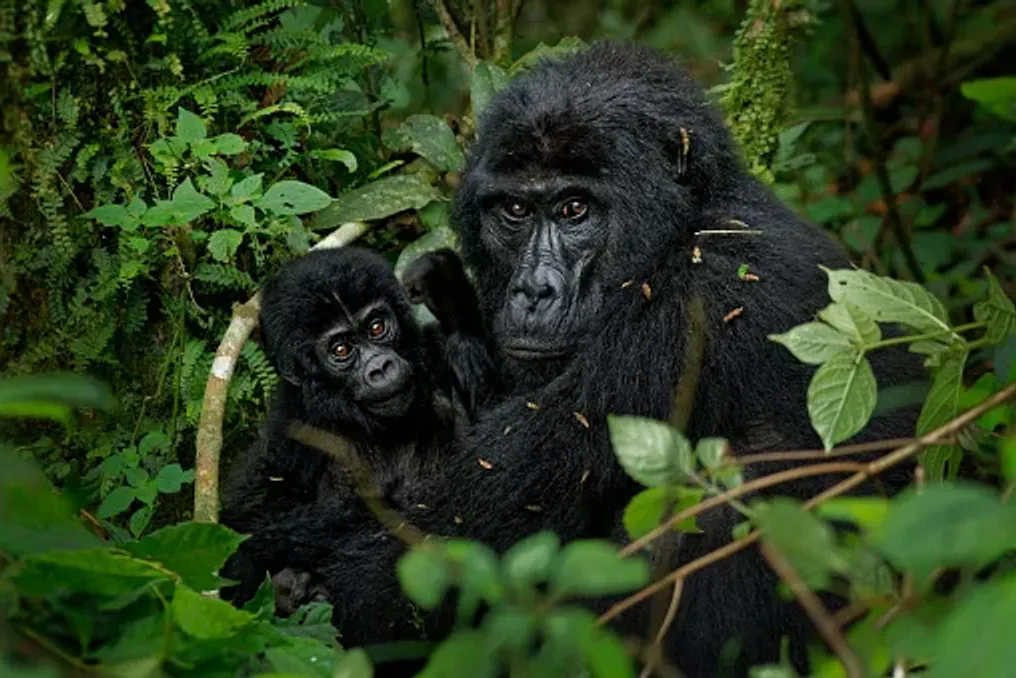
Rescued gorilla gives birth to infant after returning to the wild in DRC

A gorilla rescued from illegal wildlife trade as an orphan has achieved significant success in species conservation by giving birth in the wild in the Democratic Republic of Congo (DRC).

The animal, named Lulingu, was saved in 2016 when it was only 18 months old, after being taken from the wild and sold on the black market. It was subsequently under the care of the GRACE Gorillas reserve, which is the world's only sanctuary dedicated to rescued Eastern Lowland Gorillas, also known as Grauer's gorillas.

According to People Magazine, Lulingu became the first of four females successfully reintroduced into the wild by GRACE who were able to give birth.

After being rescued, Lulingu received round-the-clock care at GRACE. She was later adopted into a surrogate gorilla family, where another gorilla named Pinga took on the maternal role. Lulingu grew up with three other females—Mapendo, Njingala, and Isangei—who were also removed from the illegal wildlife trade.

After years of preparation, these four gorillas were moved to Virunga National Park at the end of 2024 as part of a large-scale rewilding project. They were released on Mount Tshiaberimu, a remote mountainous area of the park where a small and isolated population of Eastern Lowland Gorillas resides.

These females became among the first Eastern Lowland Gorillas from GRACE successfully returned to the wild environment. Since their release, a monitoring team has been closely observing the gorillas, tracking their behavior, feeding habits, and health status while allowing them to adapt to the new environment.

Additional Information

Lulingu gave birth to her first infant on May 21, 2026. Conservation groups waited several months before announcing the birth so that the mother and infant could bond without interference.

Mwas, a wild silverback male living on Mount Tshiaberimu, is presumed to be the father of the infant. His involvement is particularly significant as it indicates that Lulingu has successfully integrated into a wild family group.

Monitoring teams reported seeing Lulingu feed, cuddle, and play with her infant. The infant also attracted the attention of another young gorilla in the group.

Benoît Ishaba, head of gorilla monitoring on Mount Tshiaberimu, stated in a statement released by Re:wild: "Lulingu is doing excellently with caring for her infant and is a central figure in the family group."

Eastern Lowland Gorillas are classified as critically endangered, and the population on Mount Tshiaberimu faces specific conservation challenges. Before the four rescued females were introduced, only eight gorillas lived in the isolated population. Conservation modeling showed a high probability that the group could become extinct within 50 years without the addition of reproductive females. The reintroduction increased the population size to 12.

Thus, Lulingu's birth is more than just a species conservation success story. It demonstrates that a gorilla rescued from trade and raised in human care is capable of adapting to life in the wild, integrating with wild gorillas, and contributing to the future of its species.

The monitoring team will continue to closely observe Lulingu and her infant as they settle into the forest.

Marie Brown, head of the Re's Africa program, noted: "Every healthy infant represents not just a population increase—it is a sign of resilience, recovery, and what is possible through long-term care, collaboration, and targeted protection."

The three other reintroduced females are also under observation, and conservation workers hope that Lulingu's birth may mark the beginning of a new generation for this small population of Eastern Lowland Gorillas.
Popular