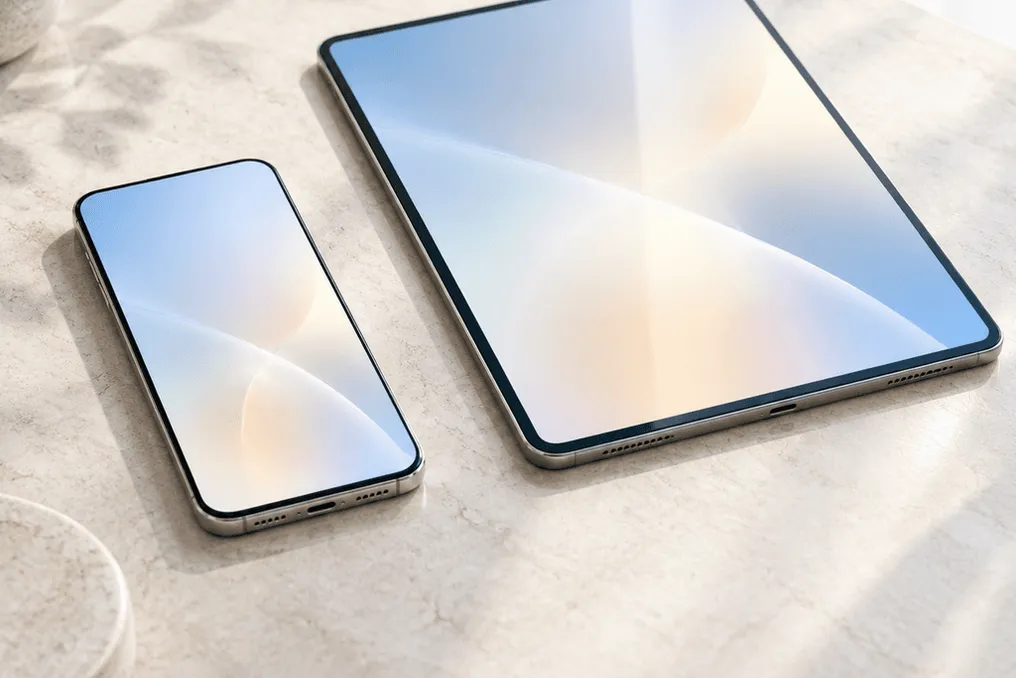
Xiaomi plans to start distributing the stable version of HyperOS 4 to existing devices in China on October 15. According to the schedule published by the official HyperOS account on the Xiaomi Community app, the update process will occur in waves until January 2027 and will cover phones, tablets, TVs, monitors, and wearables. It is important to note that this software update is for already released devices, not a launch of new hardware.
The first wave of updates includes models such as Xiaomi 17 Ultra (including the Leica Edition), Xiaomi 17 Pro Max, Xiaomi 17 Pro, and Xiaomi 17. This group also includes the REDMI K100 Pro Max and REDMI K100 Pro, REDMI K90 Pro Max (including the Champion Edition) and REDMI K90, as well as Xiaomi Pad 8 Pro and Xiaomi Pad 8.
By October 31, the update should arrive on the Xiaomi 17 Max, Xiaomi 17T Pro and 17T, REDMI K90 Max and K90 Ultra, REDMI Turbo 5 Max and Turbo 5, REDMI K Pad 2, and a series of Xiaomi TV S Mini LED models. The next group will appear in mid-November, including the Xiaomi 15 family, Xiaomi MIX Flip 2, Xiaomi Civi 5 Pro, REDMI K80 and Turbo 4 series, as well as the Xiaomi Pad 7 lineup. The REDMI Note 17 and Note 15 phones will follow by November 30. December is planned for the Xiaomi 14 and 13 series, as well as MIX Fold 4 and MIX Fold 3, while remaining TVs and watches, such as the Xiaomi Watch S4, will receive the update in January 2027. Xiaomi emphasizes that these timelines are approximate.
The October update group largely corresponds to the first public beta version, which started on August 14, one day after the HyperOS 4 presentation. The REDMI K100 Pro models joined the third beta wave on September 17 and are now included in the first stable wave.
HyperOS 4 features a new glass-style design with light refraction display, offers more options for arranging clocks and notifications on the lock screen, and allows users to change folder sizes and group widgets. Xiaomi claims that thanks to pre-loading AI-based application resources, application launch has become approximately 18% faster compared to HyperOS 3 after nine hours of use. Furthermore, the company reports a reduction in HDR photo processing time from 310 milliseconds to 240 milliseconds, as well as a 200-millisecond faster cold boot for the camera.
The new assistant, Super Xiaoai 2.0, running on Xiaomi's MiMo models, is capable of transcription, note sorting, photo searching, travel planning, and smart home and car control. The latest builds of HyperOS 4 also implement Xiaomi's 2026 notification rules, which expand notification categories from 16 to 75 and allow each application to use up to 30 channels instead of eight, giving users the ability to disable advertising channels without losing important messages. However, Xiaomi has not yet published a stable schedule for global markets.