Clarens City Recognized as One of the Best Places to Live in South Africa
Read more
Getaway
getaway.co.za

Clarens City Recognized as One of the Best Places to Live in South Africa

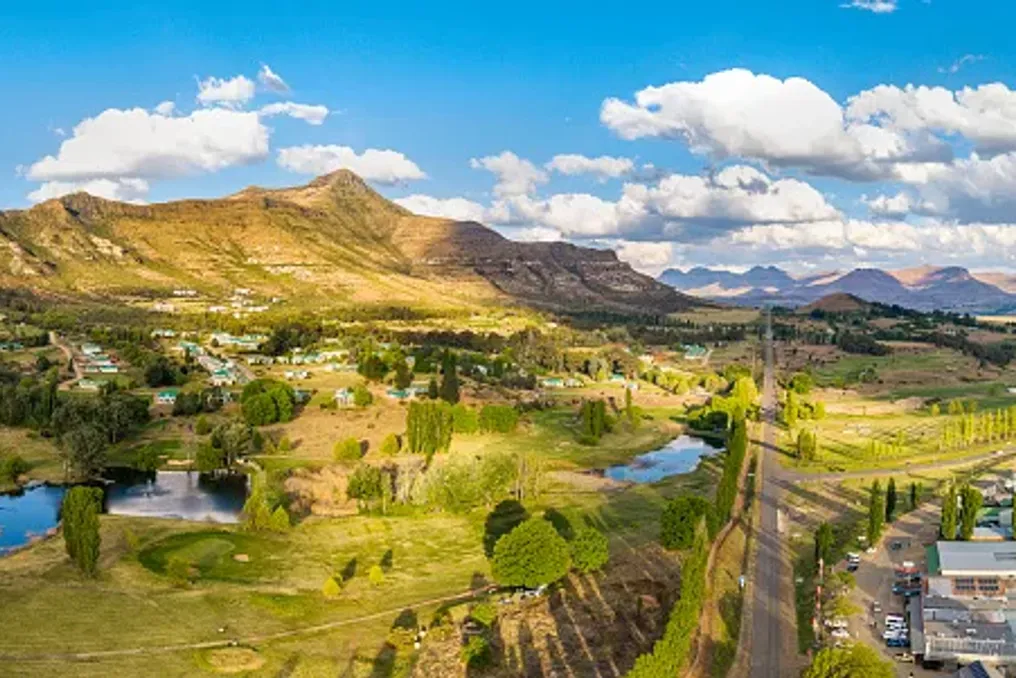
The town of Clarens, located in the Free State province, has been included in the list of best small towns in South Africa for living, receiving another recognition due to its picturesque mountainous landscape, art galleries, and relaxed atmosphere.

According to BusinessTech, Clarens ranked fifth in the Daily Maverick's 'Small Town of the Year' rating for 2025, achieving an overall score of 87.8%. It surpassed settlements such as Barrydale in the Western Cape, White River in Mpumalanga, Jeffreys Bay in the Eastern Cape, and Callinan in Gauteng.

The formation of the rating began with 2069 nominations from readers across the country. Subsequently, nine authors conducted research on the selected towns, evaluating them based on criteria such as cleanliness, municipal efficiency, community, safety, nature, family-friendliness, and connectivity. The so-called 'M-Factor', reflecting the unique character and atmosphere of each town, was also taken into account during the assessment.

Clarens showed particularly high results in the family-friendliness criterion, scoring 100%. Furthermore, it scored 90% for safety, nature, and connectivity, as well as 88% for cleanliness, and 80% for municipal efficiency and community.

Located in the east of the Free State, Clarens is approximately 336 km from Johannesburg and 284 km from Bloemfontein. Founded in 1912, the town is known as the 'Pearl of the Eastern Free State' and is surrounded by the Maluti Mountains. Its name originates from Clarens in Switzerland, where former South African President Paul Kruger spent his final years in exile.

The town has become a popular destination for weekends and holidays, attracting visitors thanks to its mountain scenery, outdoor activities, restaurants, accommodation, and creative community. Art plays a special role in Clarens' identity: there are about 20 permanent art galleries here displaying works by South African artists, with exhibitions changing throughout the year.

The annual Clarens Arts Festival has also contributed to strengthening the town's reputation as a creative hub. In 2026, the festival attracted around 5000 visitors, according to BusinessTech.

Clarens' surrounding landscape supports agriculture, including the cultivation of cherries and other fruits. The town's busy calendar is supplemented by events such as the annual cherry festival, craft beer festival, and light festival.

Nearby sites with rock paintings provide a link to the region's long history, while the surrounding mountains and countryside offer opportunities for hiking and other forms of outdoor recreation.

Clarens' appeal extends beyond its popularity as a tourist destination. The Daily Maverick's evaluation showed that some visitors come for a short time but then decide to make this town their home. The combination of landscapes, small-town atmosphere, outdoor activities, and creative community makes it particularly attractive to people seeking an alternative to city life.

Despite its small permanent population, Clarens hosts hundreds of thousands of visitors annually. According to census data cited by BusinessTech, the town itself has only 751 residents, increasing to approximately 6500 when neighboring Kgubetswa is included.

The town's popularity has also been reflected in the real estate market, where prices range from small sectional units to large houses, luxury properties, and established guesthouses.

Clarens has another unusual feature: it was named South Africa's first 'smart city'. In 2024, Eskom announced that Clarens would be the first city in the country to pilot a collective consumption restriction system, allowing residents and businesses to jointly manage electricity demand.

The system uses a meter at the city's main power supply point to monitor demand, with data transmitted every 60 seconds. When demand needs to be reduced, residents and businesses can adjust their electricity consumption in real time. Eskom reported that smart meters and electric vehicle charging infrastructure have already been installed in the city as part of a broader transition to 'smart city' initiatives.

For an economy heavily reliant on tourism, this system held particular significance. The coordinator of the Clarens group, Gert Kruger, stated at the time that avoiding power outages was 'life-changing' for the tourism-dependent town. Eskom noted that the pilot project demonstrated how communities can work together to reduce and manage electricity consumption, potentially providing a model for similar projects in other parts of South Africa.

Clarens' latest ranking strengthens its reputation as something more than just a picturesque weekend stop. Against the backdrop of the Maluti Mountains, a thriving art scene, restaurants, festivals, outdoor activities, and a growing reputation for innovative energy management, the Free State town offers a completely different pace of life compared to South Africa's major cities. For travelers, this combination makes Clarens a convenient place for extended stays, whether it's a short weekend getaway or a longer visit.
Similar stories

Traditional Weather Observation Methods in South Africa
Read more
getaway.co.za

Traditional Weather Observation Methods in South Africa

Before weather applications, people relied on observing the surrounding landscape to predict the weather. Generations of farmers, tourists, fishermen, and rural residents across the country learned to closely study nature. Clouds gathering over a mountain, a sudden change in wind direction, the smell of damp earth, or changes in animal behavior can serve as clues about current atmospheric processes. It is important to understand that these observations do not replace modern meteorology, but they serve as a reminder of nature's constant reaction to atmospheric changes.

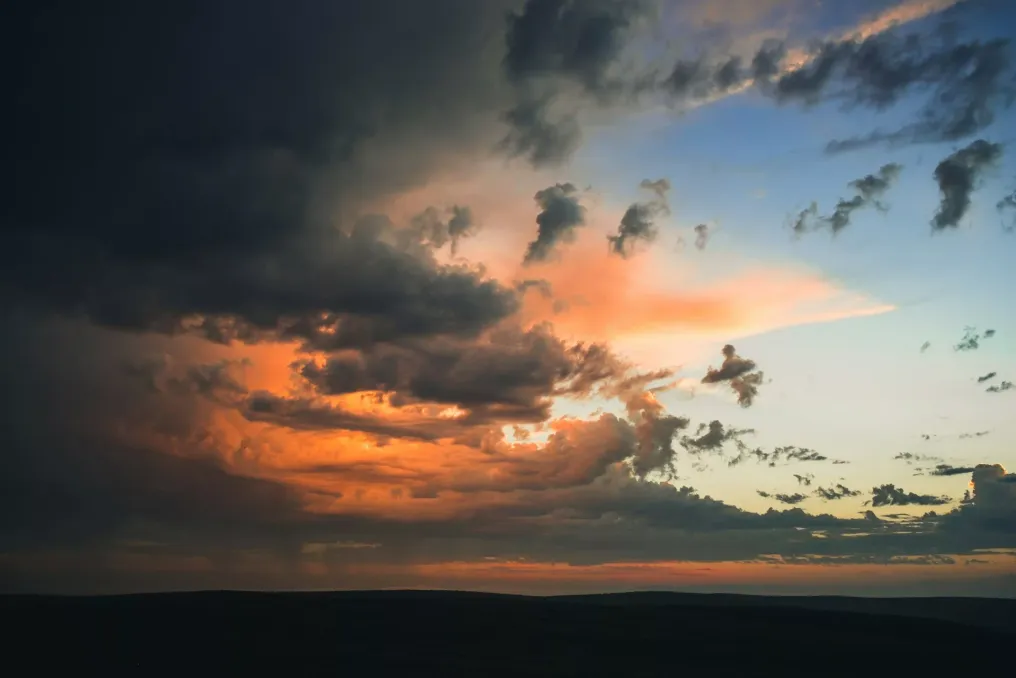
Clouds are one of the oldest indicators of weather; their shape, height, and movement can reveal much about the atmosphere. In the Drakensberg, high cumulonimbus clouds can signal the approach of summer thunderstorms. Near Cape Town, the familiar phenomenon of a cloud blanket flowing over Table Mountain has earned its own nickname—the 'tablecloth.'

Cloud observation also has practical significance. Dark, vertically developing clouds, especially those accompanied by thunder, indicate storm formation. High cirrus clouds can foreshadow atmospheric changes, sometimes appearing before a weather system arrives. The key is to view clouds as part of the overall picture, rather than as a guarantee of a forecast based on one specific formation.

South Africans have devised very evocative names for their winds, which provide a lot of information about regional weather. The famous 'Cape Doctor' in Cape Town is a southeasterly wind that blows through the city in the summer. Strong winds are capable of dispersing clouds, altering coastlines, and affecting fires, while the direction and strength of the wind elsewhere can influence temperature and precipitation levels.

Inland mountain winds (berg winds) are another example. These hot, dry currents occur when air descends from high altitudes to the coast, causing a sharp rise in temperature. For people living near the ground, noticing a familiar wind blowing from a certain direction can be useful information, although today it can be measured at a weather station, whereas previously it served as an experiential guide.

Plants also follow their own seasonal calendar. Flowering, bud bursting, fruiting, and leaf fall depend on factors such as rainfall, temperature, and daylight duration. In South Africa, where the climate varies from winter rainfall in the southwest to summer rain in most inland and eastern regions, seasonal changes look different depending on the location.

A striking example is the flowering of the Namakwa veld after good winter rains. In the Highveld and bushveld, the arrival of summer rains can transform dry landscapes astonishingly quickly, initiating new plant growth and a chain of activity among insects and other animals.

Weather Mythology

Local weather lore is particularly interesting. There were claims that animals become restless before storms, insects appear in greater numbers before rain, and birds behave differently when the weather changes. There is a scientific basis for the broader idea that animals react to environmental changes related to weather. Many species are sensitive to air pressure, humidity, temperature, wind, and changes in food availability. These signals can affect shelter seeking, migration, and feeding.

However, this does not mean that an animal can reliably predict tomorrow's forecast. A bird sheltering before a storm might be reacting to conditions that have already changed. An insect appearing after the rain might simply be responding to humidity and temperature. The animal reacts to its environment, not consulting its own miniature weather application.

Some of the most useful signs are surprisingly mundane: damp soil, dust moving along the road, changes in visibility, sudden cold, or clouds forming over a distant mountain can tell an experienced observer a lot about the current situation.

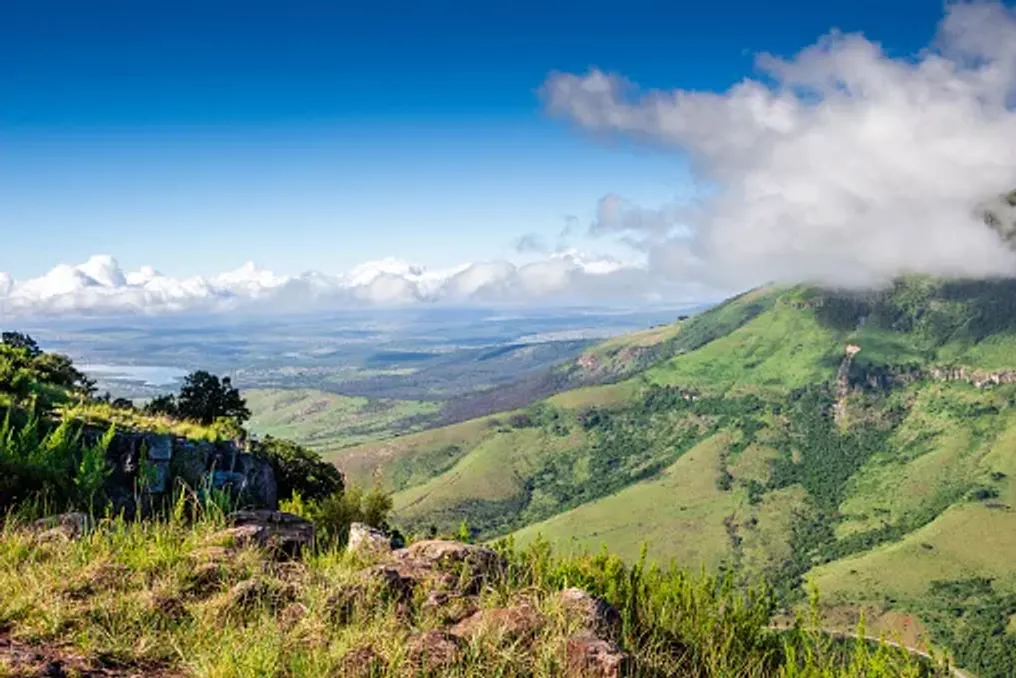
In the Sedberg, Drakensberg, and Golden Gate Highlands areas, mountain weather can change rapidly. Along the Wild Coast, wind, clouds, and ocean conditions can alter the character of the coastline within hours. In the Kalahari, a growing mass of storm clouds on the horizon can indicate the likelihood of severe summer storms. Since the landscape differs in each place, knowledge becomes local.

Modern forecasts provide what previous generations could not obtain: detailed data, radar images, satellite imagery, and numerical predictive models. They are extremely useful, especially when harsh weather is approaching. But there is something captivating about realizing that the landscape itself is full of information.

Next time you hike in the Drakensberg, stand under Table Mountain, or watch the clouds over the Kalahari, put your phone down for a moment. Look at the sky. Pay attention to what the plants and animals are doing. You may not know for sure what tomorrow will bring, but you can start noticing that the landscape has been giving you clues all along.

South African Destinations for Couples to Relax Without Sacrificing Civilization
Read more
getaway.co.za

South African Destinations for Couples to Relax Without Sacrificing Civilization

Throughout South Africa, there are small settlements and natural areas that allow couples to slow down the pace of life while maintaining access to good restaurants, comfortable accommodation, and numerous places to explore.

These locations offer the opportunity to park, take a walk, find delicious food, spend time in the fresh air, and then return to a cozy room at the end of the day.

In the Magaliesberg mountains, Heidelberg is a suitable choice for couples who wish to enjoy nature without being completely isolated from civilization. This village has several cafes and restaurants, including Red Plate Restaurant and The Pot & Plough, and the surrounding Magaliesberg area offers plenty of opportunities for outdoor activities.

Couples can start the morning by exploring the village, and then head out to the surroundings for a hike or to visit a waterfall. Debegeni Falls is nearby, and the forests, lakes, hiking trails, and birdlife in this area provide many reasons to spend several hours outdoors. It is not necessary to plan every day with packed activities; one can choose a route, stop for lunch, and leave the second half of the day free. Here, one can enjoy the forest scenery, the village's restaurant life, and the unhurried atmosphere of the mountains.

St Lucia offers a different kind of slow travel. This small town in KwaZulu-Natal is located near the iSimangaliso Wetland Park, providing couples with easy access to amazing wildlife and landscapes while maintaining proximity to restaurants, accommodation, and other amenities. One of the main attractions of the area is the St Lucia estuary. Couples can take a boat cruise to see hippos and crocodiles, and the larger park offers guided tours, hikes, whale watching, turtle tours, and safaris.

The advantage of staying in St Lucia is that you don't have to choose between wildlife experiences and comfort. The town has accommodation options ranging from guesthouses to full-service hotels, including properties right in the city center. You can spend the morning on the water, have lunch in town, and keep the evening relaxed. Locals recommend staying for the estuary cruises, wildlife viewing, and simple access to one of South Africa's most outstanding natural areas.

Hogsback feels wonderfully removed from the hustle and bustle of daily life, yet it does not require couples to endure hardship. The mountain village is surrounded by local forest, and waterfalls, hiking trails, and viewpoints are the main reasons to get outdoors. The area also features restaurants, cafes, handicraft shops, and various accommodation options.

One of the easiest ways to experience Hogsback is simply by walking. Trails wind through the forest to the waterfalls, and the Big Tree, a giant yellow cedar estimated to be around 800 years old, is another attraction. Couples who do not want an intense weekend can forgo more extreme activities and focus on leisurely walks, gardens, local cuisine, and landscape beauty. It is worth stopping here for the local forests, waterfalls, mountain air, and cozy evenings in the village.

Clarens has become one of South Africa's most well-known small resorts, but its appeal to couples lies in how little you feel obliged to do. The town square is compact and convenient for walking, featuring galleries, craft shops, boutiques, cafes, and restaurants located close to each other. The area boasts over twenty galleries, allowing for afternoons spent appreciating art instead of filling the schedule with activities.

When you crave fresh air, the surrounding Maluti Mountains and the nearby Golden Gate Highlands National Park offer opportunities for hiking and other activities. The park has several easier routes available, so weekends do not necessarily have to be endurance tests. Afterward, you can return to the village for dinner, have a local beer, or spend a quiet evening in your accommodation. Clarens attracts visitors with its art galleries, good food, walkable streets, and dramatic mountain scenery.

Dallstrum is especially suited for couples who like to have things to do but don't feel obligated to do everything. The town in the Mpumalanga mountains is known for fly fishing, but this destination offers more than just casting a line. Its pedestrian streets are lined with restaurants, shops, and places to grab a warm bite, while hiking and mountain biking trails provide simple ways to explore the surrounding landscape.

A relaxed weekend can include an early walk, a leisurely breakfast, and an afternoon spent exploring the town before settling in for dinner. For fishing enthusiasts, the local waters offer another reason to slow down. Those not interested in fishing can simply enjoy the cool climate and countryside. Dallstrum is ideal for those who value country walks, fly fishing, restaurants, and high-altitude fresh air.

The best thing about these places is that couples do not need to build a complex travel itinerary. There are enough places nearby to fill a weekend, but not so many that you feel pressured to see everything. You can go into town for breakfast, spend a few hours outdoors, find a nice spot for lunch, and let the evening unfold unhurriedly.

Seven South African Destinations for a Packed Day with Diverse Activities
Read more
getaway.co.za

Seven South African Destinations for a Packed Day with Diverse Activities

Thanks to the diverse landscapes of South Africa, it is easy to plan days that combine nature, culture, wildlife, adventure, and gastronomy. These seven locations are ideal for travelers who prefer constant movement, as each offers a unique combination of experiences located close to one another.

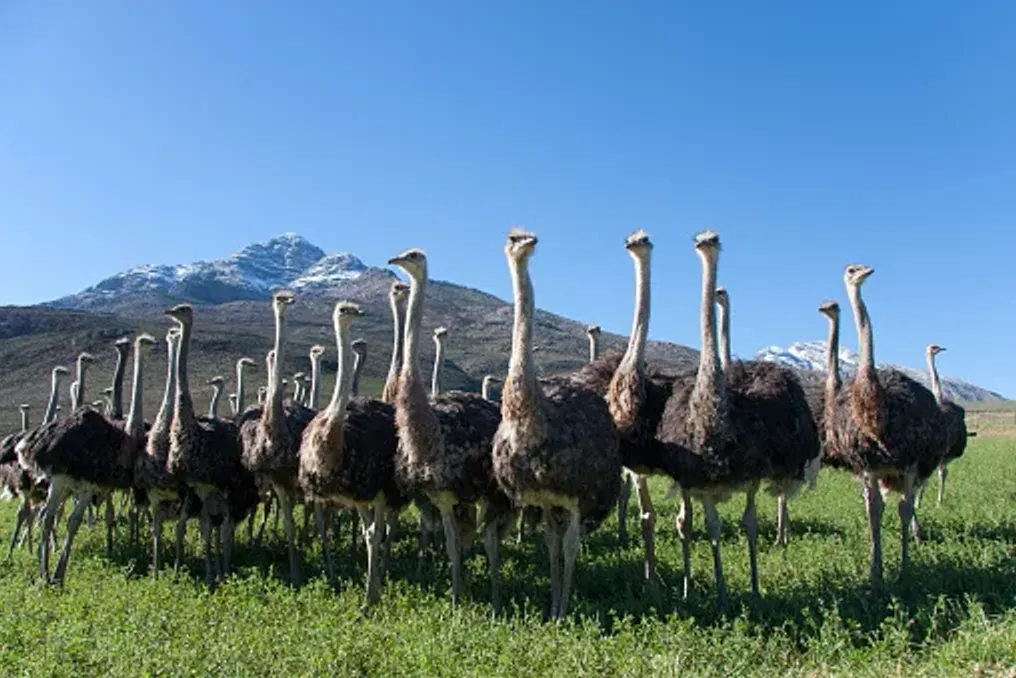
Oudtshoorn, situated between the Swartberg and Outeniqua mountains, is one of the best places in South Africa for a dynamic day. This town in the Klein Karoo region is known for its ostrich farms, impressive scenery, and Cango Caves.

The day can begin with a visit to the Cango Caves, where tours allow visitors to explore a network of ancient limestone chambers and formations. These caves offer a completely different perspective on the Klein Karoo landscape and are one of South Africa's most famous natural attractions.

Upon returning to the surface, attention should be paid to the world's largest bird. Oudtshoorn is famous as the ostrich capital, and a visit to an ostrich farm provides an opportunity to learn about the birds as well as the history of animal husbandry that shaped this region. The day can conclude with a meal showcasing the tastes and produce of the Klein Karoo. If you have extra time, De Raadtsdrift nearby is worth a visit.

Combination: Underground Adventure + Wildlife + Food

Franschhoek is usually associated with wine and fine dining, but there are many activities before lunch. The valley combines mountains, active recreation, Huguenot heritage, galleries, restaurants, and wineries, making it easy to create a varied day.

Start with a walk or hike in the Mont Rochelle Nature Reserve. The reserve offers the chance to experience the mountains and fynbos surrounding the valley before returning to the village. Activities in this area also include cycling, horse riding, and paragliding. Then head to Franschhoek to explore its Huguenot heritage. The Huguenot Monument and adjacent historical sites provide insight into the influence of French Huguenots on the valley, while a stroll down the main street passes by galleries, shops, and restaurants. The day can end at one of the valley's restaurants or wineries. Franschhoek offers everything: from relaxing farm-style picnics to more formal lunches, often with views of the mountains and vineyards.

Combination: Mountain Air + Heritage + Food and Wine

Hermanus is particularly good for outdoor activities. During whale season, you can start with marine life watching, spend the middle of the day exploring the town, and finish with a meal overlooking the coast. Southern Right Whales arrive in this area around June, making the town one of the most renowned spots for land-based whale watching in South Africa.

Begin your journey along the Hermanus Cliff path, which stretches about 12 kilometers along the coast. You don't have to complete the entire route; choose a section and stop at viewpoints to watch Whale Bay, keeping an eye out for whales during the season. After walking along the coast, explore Hermanus's galleries, markets, or museums. The town has a strong artistic and cultural scene alongside its history as a fishing and agricultural community. The day can conclude with seafood or other local cuisine. Hermanus is part of the UNESCO Creative Cities Network as a Gastronomy City, and its culinary scene ranges from seafood restaurants to farm-to-table dishes and local markets.

Combination: Marine Life + Walk + Food and Culture

Stellenbosch is another destination where you can do much more than just visit a winery. This historic university town combines active recreation, gardens, heritage, art, food, and wine, offering numerous attractions that are close enough to fit into one day. Start at the Stellenbosch Botanical Garden in the city center. The garden features local and exotic plants, shaded paths, streams, and ponds, providing a tranquil start before heading to the busier historic center.

Next, you can move into the old town and visit the Stellenbosch Village Museum or stroll through the historic streets. Stellenbosch is the second oldest city in South Africa, and its Cape Dutch architecture, museums, and galleries give the center a distinct character. Instead of spending the whole day at a winery, make the latter part of the day active. Jonkershoek offers hiking and adventure activities, while other options around Stellenbosch include cycling, zip-lining, and non-motorized scooter trails. The day can then conclude with a meal or wine tasting at one of the local wineries.

Combination: Gardens + Heritage + Adventure

Graaff-Reinet offers a completely different kind of packed day, combining dramatic landscapes with one of South Africa's most historic cities. Founded in 1786, the city boasts an impressive collection of historic buildings and museums, while the surrounding Gamtoos landscape provides numerous opportunities for outdoor activity. Start at the Lone Creek Valley in Gamtoos National Park. The viewpoint is surrounded by high dolerite cliffs and vast views of the Karoo. Hiking trails are also available, including the short Kraag Lizard trail.

Back in the city, you can explore the Graaff-Reinet museum complex. Riet House, Old Residence, Urkhart House, and the Military History Museum each offer a different view of the city's past. Art lovers will also appreciate the Hester Rupert Art Museum. Conclude the day with a Karoo-style meal before heading back out into the landscape for an afternoon or evening trip. For something different, you can visit Karoo Origins, which combines fossils and ancient history with a coffee shop and local wine, offering another way to end the day.

Combination: Karoo Landscapes + History + Culture

Durban allows you to organize a packed day without leaving the city limits. Its waterfront, gardens, and unique culinary culture offer three seemingly very different experiences despite their relative proximity. Start near the Indian Ocean with a walk, bike ride, or swim along Golden Mile. The waterfront is one of Durban's defining attractions and offers many opportunities for fresh air before the midday heat sets in. Next, replace the ocean with the greenery of the Durban Botanic Gardens. The gardens provide a calm contrast to the waterfront and are a good place to spend a couple of hours exploring plant collections and landscape areas. The day can conclude with bunny chow—a bread filled with curry. This curry-filled bread is one of Durban's most recognizable dishes and reflects the city's strong Indian culinary influence. A guide from Durban Tourism specifically highlights bunny chow as a must-see spot in the city.

Combination: Ocean + Gardens + Culinary Culture

Johannesburg suits travelers who want their packed day to be more urban. Instead of moving between natural attractions, you can spend the day moving across different parts of the city—from its complex history to its modern creative scene and more energetic entertainment. Start at the Apartheid Museum and allocate enough time to thoroughly study its exhibits. The museum provides important context for understanding 20th-century South African history and the legacy of apartheid. After the museum, completely change pace by visiting one of Johannesburg's creative districts, galleries, or street art zones. The contrast between the historical focus of the morning and the modern art scene and city design is part of what makes Johannesburg interesting. End the day with an adventure or entertainment event, rather than another museum. Depending on interests, this could mean an adrenaline activity, live entertainment, district exploration, or simply finding a lively spot for dinner.

Combination: History + Creativity + Adventure

The appeal of these destinations lies not just in having many attractions, but in the contrast between them. In Oudtshoorn, you can transition from ancient caves to the ostrich country, and then sit down for a Karoo-style meal. In Hermanus, the day can range from whale watching to art and coastal cuisine. In Stellenbosch, gardens, heritage, and active recreation can fit into one itinerary. This diversity also makes these destinations useful for groups with different interests. One person can get their dose of nature, another can explore history and culture, and everyone can meet again when it's time to eat.

Popular