NASA announced on Monday plans to conduct new missions using the Boeing-made Starliner spacecraft. This follows an unsuccessful test flight, which resulted in two astronauts being stranded on the International Space Station (ISS) for several months.
Starliner was last used in June 2024 to transport American astronauts Suni Williams and Batch Wilmore to the ISS. The mission was originally scheduled to last from eight to fourteen days.
However, during the orbital flight, problems arose with the ship's propulsion system, rendering it unfit for crew return. This led to the astronauts remaining at the orbital station for nine months before they could return.
In a report assessing the problematic test flight, NASA attributed the fault to engineering vulnerabilities in Starliner, classifying them as 'Type A' incidents—similar to the disasters involving the Challenger and Columbia shuttles.
Boeing and NASA are working to rectify these shortcomings by the deadlines of the two upcoming missions, as Starliner plays a key role in the long-term goals of the US space agency.
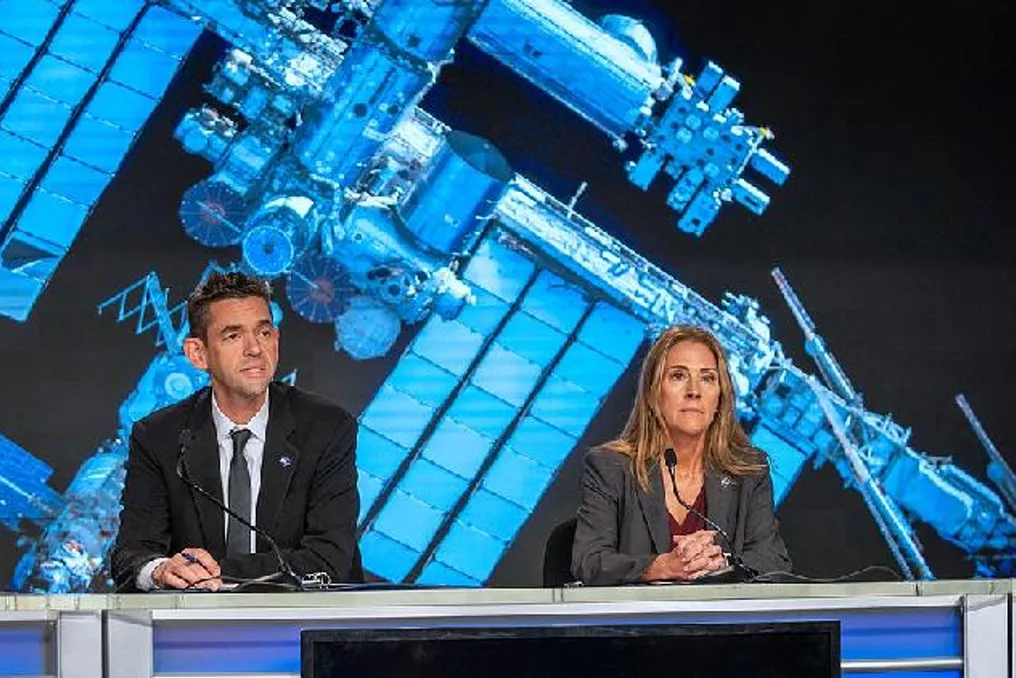
The first mission, expected no earlier than December, will be uncrewed and aimed at returning to the ISS for 'verification of recent corrective efforts,' a NASA representative told journalists on Monday.
He added that after this, they will collect data, continue implementing the remaining changes recommended in the Program Investigation Group's report, and plan the crewed Starliner Two mission for 2028.
The successful execution of a crewed Starliner mission is crucial, given that competitor SpaceX has announced its intention to cease production of its reusable Crew Dragon capsules, which have been the only other means of transporting American astronauts to the ISS since 2020.