Las Gibbs: The Legendary Bowler Who Intimidated Batsmen with His Outstanding Statistics
Read more
Aaj Tak
www.aajtak.in

Las Gibbs: The Legendary Bowler Who Intimidated Batsmen with His Outstanding Statistics

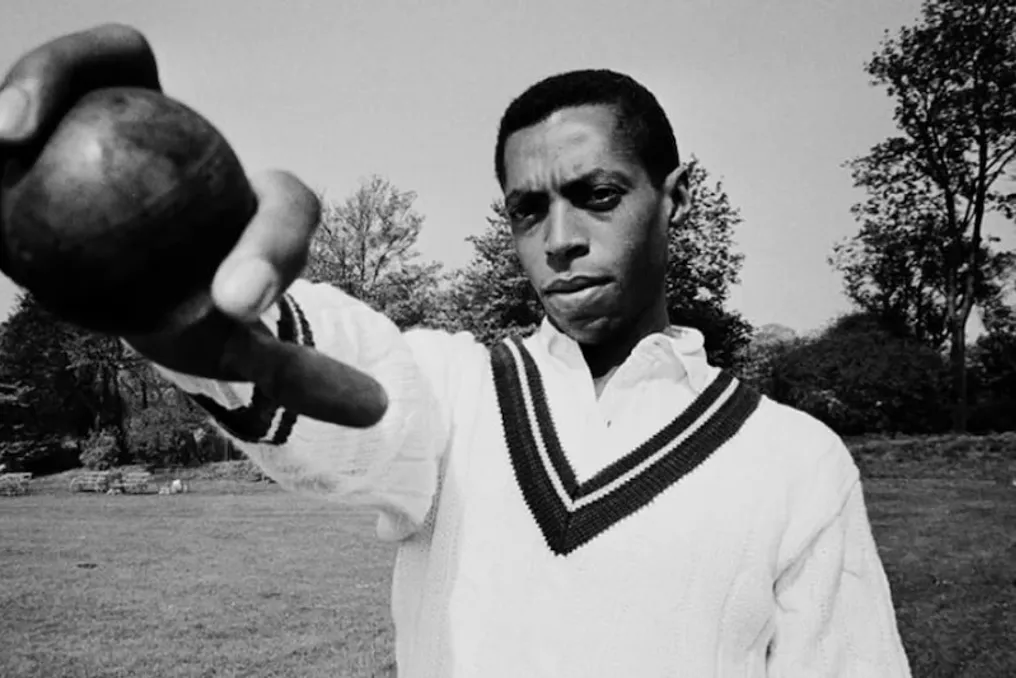
In the history of cricket, there are several bowlers who created serious problems for batsmen with their play. One such master was the great off-spinner from the West Indies, Las Gibbs. On this day, September 29, 1934, on his 92nd birthday, Gibbs forged his unique reputation in Test matches thanks to his accurate line, powerful spin, and height of the ball.

Gibbs became the first spinner in Test match history to score 300 points. For the West Indies team, he played 79 Test matches and took 309 wickets. He also set a record by taking five or more wickets in a single game 18 times. Moreover, despite the large number of wickets taken, he demonstrated high economy, maintaining an average effectiveness rate of about 1.98 runs per over in his Test career.

The period from 1960 to 1962 marked the peak of Gibbs' performance. Although initially excluded from the squad for the first two Test matches during his tour of Australia, he demonstrated his mastery in the Sydney Test. In Sydney, Gibbs managed to take three wickets in just four balls. Then, in Adelaide, he presented another example of his dangerous play by taking a hat-trick.

The most memorable moment in Gibbs' career was his performance against India. In Barbados, he caused a real storm that Indian batsmen could not withstand. He took 8 wickets, conceding only 38 runs in 53.3 overs. What is particularly impressive is that all eight of these wickets were taken in just 15 overs, while he conceded only 6 runs. Gibbs could not replicate this phenomenal result throughout his long career.

Las Gibbs gave a new identity to West Indies spin bowling through his accuracy, ball rotation, and ability to constantly put pressure on batsmen, securing his place among the greatest spinners in cricket history.

Gibbs' International Career Statistics:

  • Tests: 79 matches, 148 innings, 309 wickets, best bowling 8/38, average 29.09, economy 1.98.
  • One-day matches: 3 matches, 3 innings, 2 wickets, best bowling 1/12, average 29.50, economy 2.26.
Similar stories

Majid Khan: Pakistani Player Debuted at 18 and Scored a Century Before Lunch
Read more
www.aajtak.in

Majid Khan: Pakistani Player Debuted at 18 and Scored a Century Before Lunch

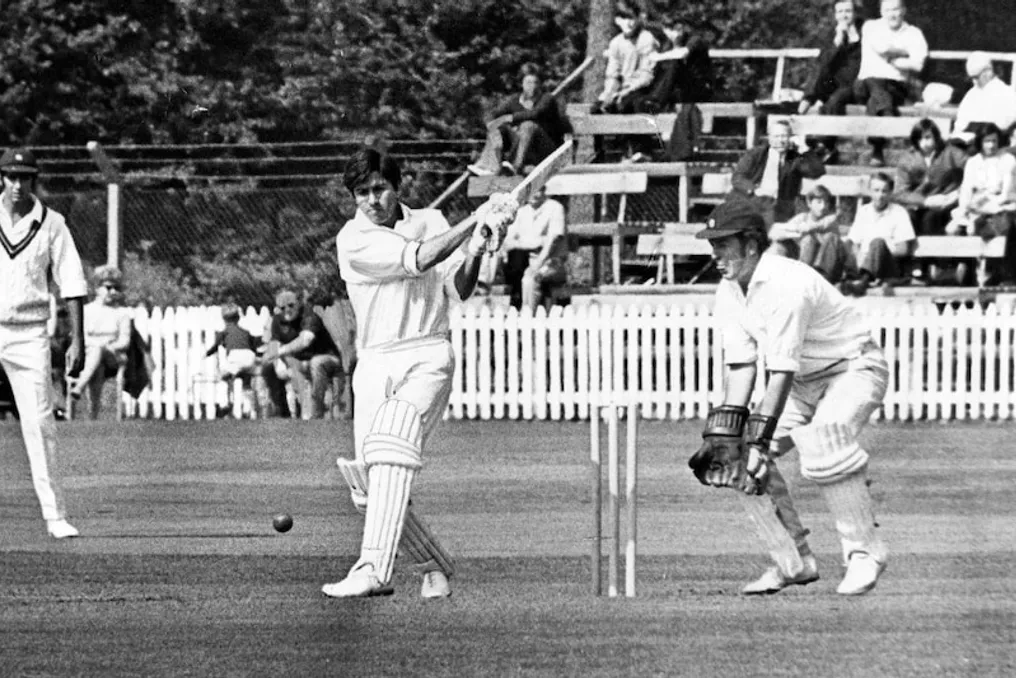
The legendary Pakistani cricketer Majid Khan, born on September 28, 1946, began his career in Test matches at the age of just 18. Initially selected for the team as a bowler, his outstanding batting skills quickly made him an integral part of the Pakistan middle order.

Majid Khan's game combined both classic technique and an aggressive approach. His style of play set him apart from other batsmen of his era.

In 1976, Majid Khan achieved a historic feat during a match in Karachi against New Zealand, scoring a Test century before the lunch break. He became the first Pakistani player to achieve this, and even more so, after a 42-year wait in Test cricket.

Another striking example of his powerful batting was demonstrated in 1967 during a match against Glamorgan. In those 89 minutes, he scored 147 runs, including 13 sixes. Particular attention deserves the moment when he hit five sixes in one over against spinner Roger Davies.

In one memorable first-class match playing for the University of Punjab, he took charge. When the team was in a critical position, having lost four wickets for 5 runs, Majid played an incomplete double century, securing a brilliant victory for the team.

Throughout his career with the Pakistan national team, Majid Khan scored around 4000 runs in 63 Test matches. After retiring from cricket, he did not pursue umpiring or coaching but contributed to cricket administration. Later, he served as an ICC match referee and also headed the Pakistan Cricket Board (PCB) as CEO.

Starting as a bowler, Majid Khan gained recognition through his batting skills and left a significant mark on cricket history with his aggressive style of play.

Bishan Singh Bedi's History: Achievements and Contribution to Indian Cricket
Read more
www.aajtak.in

Bishan Singh Bedi's History: Achievements and Contribution to Indian Cricket

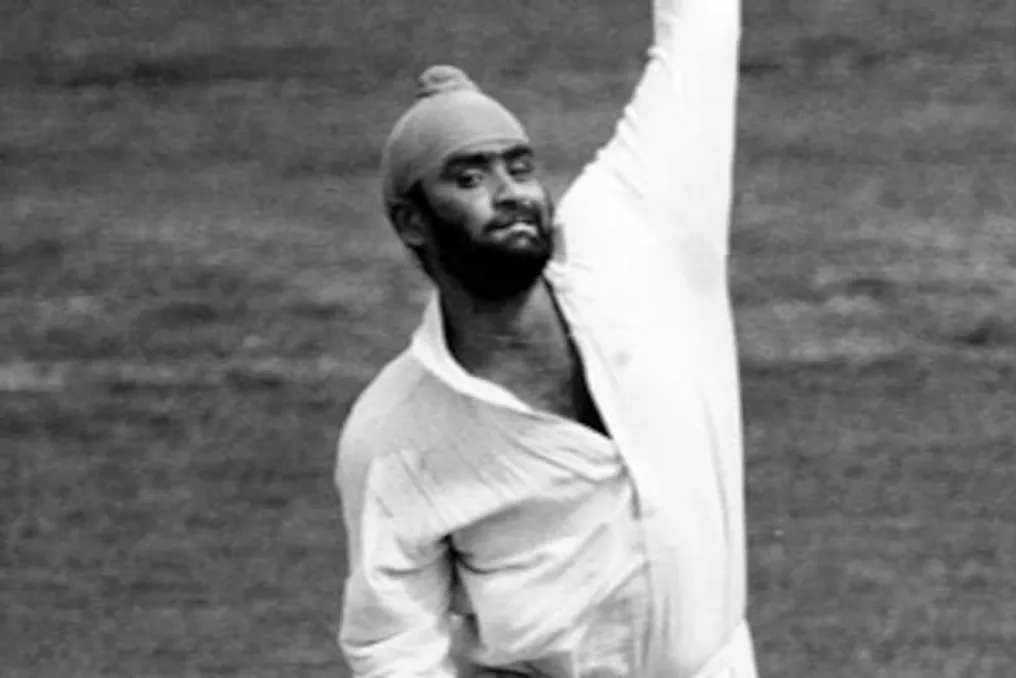
Bishan Singh Bedi, one of the most artistic and beautiful spin bowlers in the history of Indian cricket, was born on September 25, 1946. He gained fame for his vibrant demeanor on the field, and his bowling possessed a unique charm.

As a left-arm spinner, Bedi carved out a unique niche for himself. His deliveries were a magnificent combination of control, spin, pace, and flight. He could confuse batsmen by hanging in the air with the ball before directing it in various directions using rotation.

In the 1975 World Cup match, Bishan Singh Bedi played a crucial role in India's victory in the first ODI. In his 12-over spell against East Africa, he bowled 8 clean overs and took only 1 wicket, conceding just 6 runs.

Besides playing, Bedi also took on the responsibilities of captaining the Indian team, leading the side in 22 series matches. During a match in Jamaica in 1976, when the team faced aggressive bowling from the West Indies, Bedi made an unusual decision—prematurely declaring both Indian innings closed, which was a very unexpected move for that time.

Throughout his career in 67 Tests for India, Bedi accumulated 266 wickets, including 14 instances where he took five or more wickets. In 1979, he played his last match at 'The Oval' and officially retired from international cricket. Bedi is the only player in the history of Indian cricket to have taken 1560 wickets in his first-class career. Furthermore, he became the first bowler to take 200 wickets in Test matches for the Indian team.

Bedi is also known for being one of the first captains in the world who intentionally allowed his team to lose, even when close to victory. This happened in November 1978 during the India versus Pakistan match in Sahival. At that time, India needed to score 23 runs in 14 balls, having 8 wickets remaining. When Pakistani fast bowler Sarfaraz Nawaz bowled four consecutive bouncers, and the umpire refused to call one of them a wide, Bedi withdrew his batsmen.

Overall, his international statistics were as follows: in Tests, he played 67 matches, in 118 innings, taking 266 wickets at an average of 2.14, with his best figures being 7/98. In ODIs, he participated in 10 games, 10 innings, taking 7 wickets at an average of 3.45, with his best performance being 2/44.

Bishan Singh Bedi was valued not only for his statistics but also because his bowling itself was an art form. He turned 77 years old on October 23, 2023, and passed away.

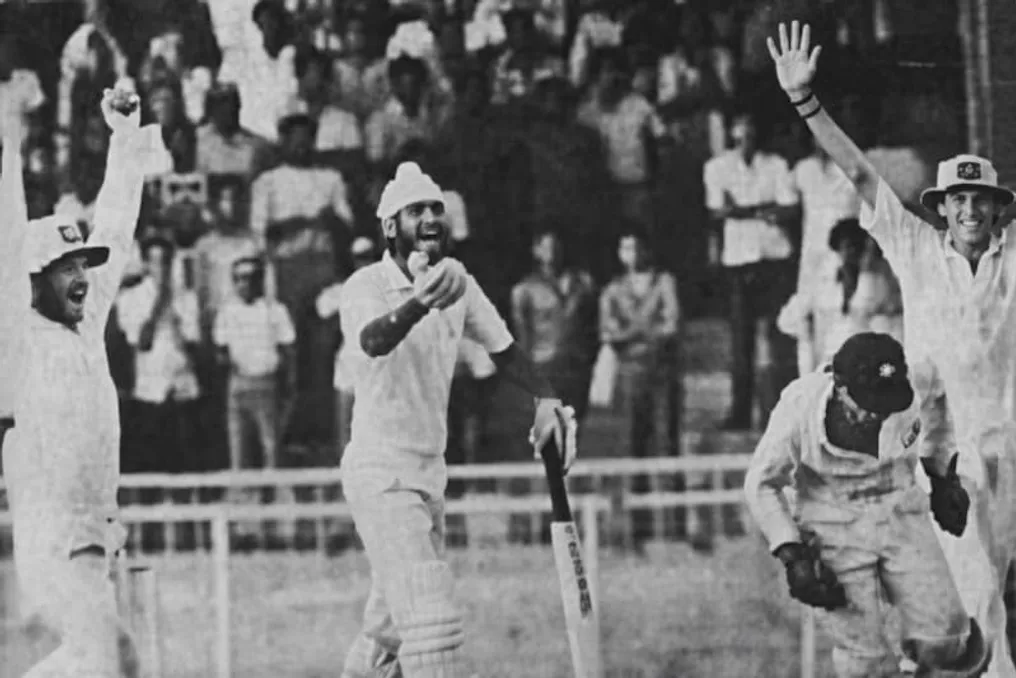
Test match between India and Australia in Chennai in 1986 ended in a draw after dramatic final moments
Read more
www.aajtak.in

Test match between India and Australia in Chennai in 1986 ended in a draw after dramatic final moments

There are matches in cricket whose tension lasts until the very last ball. One such moment occurred 40 years ago, on September 22, 1986, when the second Test match of the series between India and Australia, held in Chennai (then Madras), ended in a draw, and the drama of the final days is still vivid in the memories of cricket fans.

Australia took the initiative first by winning the toss and secured a substantial victory in the first innings, scoring 574/7 runs. Among the Australian players, David Boon stood out with 122 runs, Dean Jones with 210 runs, and Allan Border with 106 runs. In response, the Indian team managed to score only 397 runs in the first innings. The best player for India in this innings was Kapil Dev, who scored 119 runs. Additionally, Mohammad Azharuddin (50 runs) and Krishnamachari Srikkanth (53 runs) reached half-centuries.

In the second innings, Australian captain Allan Border declared the innings closed, adding another 170 runs, setting a target of 348 runs for India. India needed to reach this target in 87 overs.

Initially, the Indian team pursued the target confidently. At tea, India's score was 190 runs for the loss of two batsmen. After that, the team approached victory. India lost 6 batsmen at a score of 330 runs, and only 18 runs were needed for victory.

At that moment, it seemed that India would easily win. However, Australian bowler Ray Bright drastically changed the course of the match. In the next over, Bright dismissed two batsmen, and suddenly the possibility of all possible outcomes arose: victory, defeat, a draw, or a tie.

After this, Shivlal Yadav helped India get closer to victory by hitting a powerful six off Greg Matthews' bowling. But Bright got him out. India's score reached 344/9. Only 4 runs remained, and there were 8 overs left.

Ravi Shastri and Maninder Singh were on the field. Maninder Singh was the last batsman in India's batting order. He faced Bright's over, and the right to bat passed to Ravi Shastri in the final over.

India needed 4 runs to win. Ravi Shastri scored 2 runs off the second delivery of the final over. Then, on the third delivery, he scored one run and passed the strike to Maninder Singh. With this single run, the possibility of India losing disappeared, but 3 more runs were still needed for victory. Greg Matthews was bowling, and Maninder Singh was on strike. Matthews had three deliveries to finish the match.

Matthews dismissed Maninder Singh. Matthews got him out LBW on the penultimate delivery of the match. India's hope of victory faded, and the match ended in a draw. In the second innings, the Indian team showed better play, with Sunil Gavaskar scoring the most runs—90.

Players from both teams were awarded 'Player of the Match' awards. Kapil Dev received this award for scoring 119 runs for India, while Dean Jones from the Australian team received it for his double century in the match.

Thus, in the history of Test cricket, a match was recorded where the scores of both teams were absolutely equal. This thrilling finale in Chennai is still considered one of the most memorable moments in cricket.

Popular