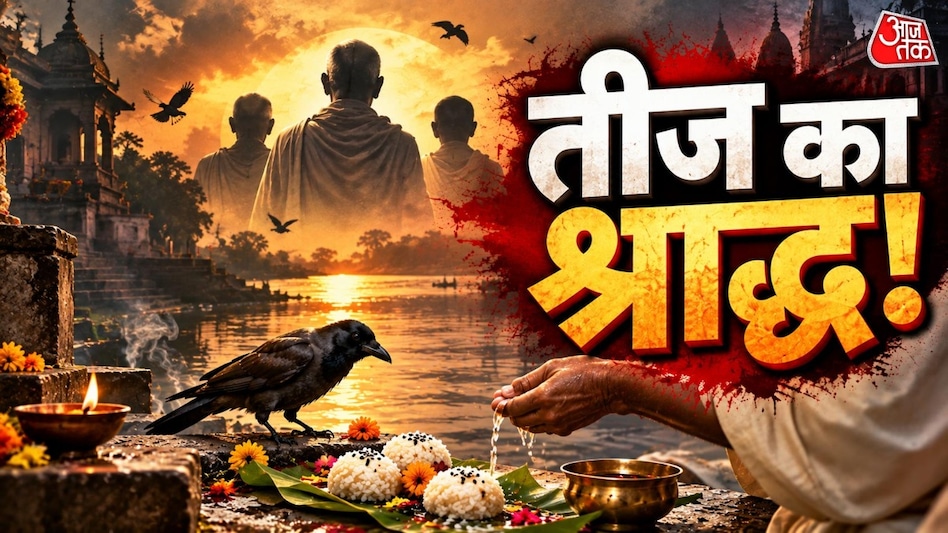
Pitru Paksha 2026: Shraddha Tithij Ritual to take place tomorrow; information on methods and auspicious time for Pindana and Tarpan
Read more
Aaj Tak
www.aajtak.in

Pitru Paksha 2026: Shraddha Tithij Ritual to take place tomorrow; information on methods and auspicious time for Pindana and Tarpan

As part of Pitru Paksha 2026, Shraddha, associated with the third date, will be performed on September 29, 2026. In common understanding, this is also called Shraddha Tithij. This time, during Shraddha on the third date, there will be a conjunction with the Nakshatra Bhadra. On this day, Shraddha rituals are performed for ancestors whose death occurred on the third date in both the Krishna and Shukla lunar months according to the Hindu Panchang.

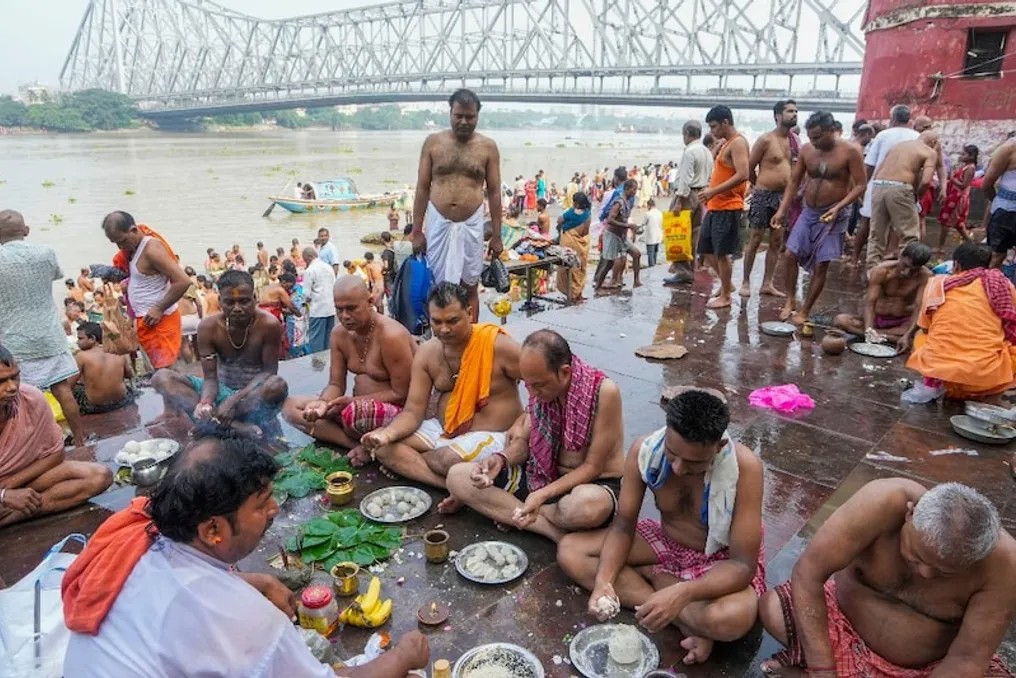
Religious rites such as Shraddha, Tarpan, and Pindana are conducted on this day to bring peace to the ancestors. There is a religious belief that observing these rituals brings the blessings of the ancestors.

According to the Hindu Panchang, the third date begins at 18:13 on September 28 and lasts until 17:09 on September 29. Based on the rising date, Shraddha on the third date will be performed on Tuesday, September 29.

Kutup Vela holds special significance for performing Shraddha and Tarpan for ancestors. This time falls around midday. According to the Hindu Panchang, Kutup Kaal on September 29 for Shraddha Tithij will last from 11:47 AM to 12:35 PM. However, it should be noted that this time may vary slightly in different cities, so it is recommended to check the Panchang beforehand.

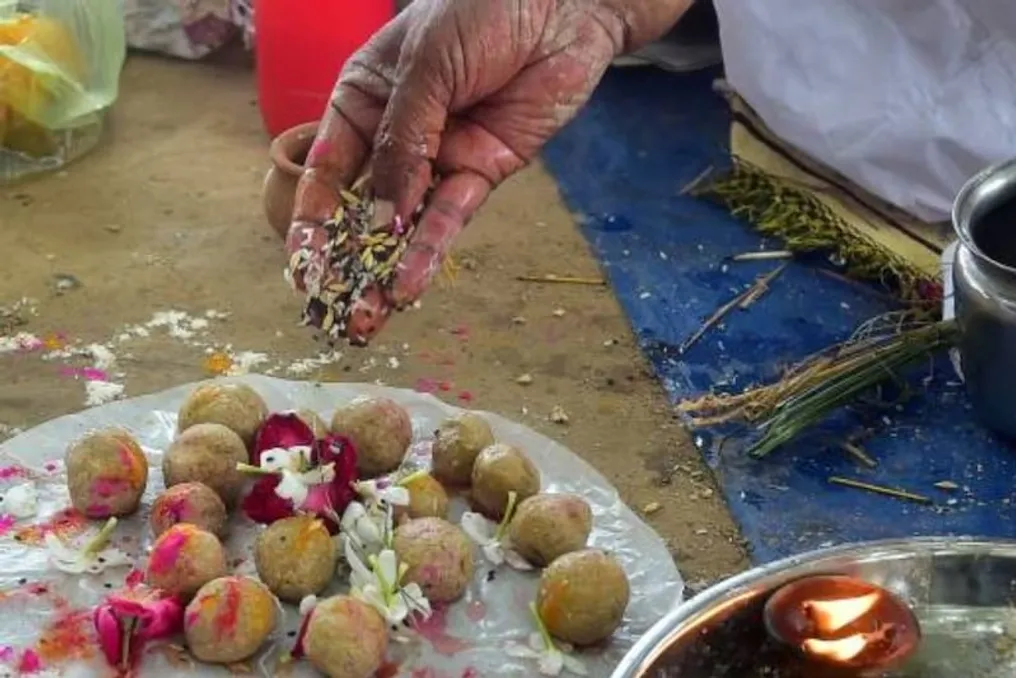
Within the framework of Shraddha on the third date during Pitru Paksha, there is a tradition of performing Pindana in honor of ancestors. For Shraddha Karma, pindas are first prepared from flour, rice, barley, honey, ghee, and black cumin. These pindas are respectfully offered to the ancestors. After Pindana, the ancestors are given Tarpan by mixing black pumpkin seeds with water. During Tarpan, the use of Kusha is also considered an important part of the Shraddha ritual. There is a tradition of creating a ring shape from Kusha and wearing it on the ring finger of the right hand.

After completing Shraddha Karma, it is customary to feed poor Brahmins and make donations according to one's means. Finally, a prayer is offered for the spiritual peace of the ancestors and to receive their blessings.

During Shraddha, there is a tradition of dedicating a portion of food to cows, dogs, crows, and ants. This act is called Panchabali. According to religious beliefs, through these animals, the food reaches our ancestors. It is believed that performing Panchabali, Tarpan, and Shraddha Karma with sincere faith brings satisfaction and peace to the ancestors. This is why these traditions hold special significance during Pitru Paksha.
Similar stories

Pitru Paksha Dates for 2026: Information on Shraddha Rituals
Read more
www.aajtak.in

Pitru Paksha Dates for 2026: Information on Shraddha Rituals

In Hinduism, Pitru Paksha is considered a special period for honoring ancestors and expressing reverence towards them. During this time, various rites such as Shraddha, Tarpan, and Pindadaan are performed for deceased family members. There is a belief that remembering ancestors and performing religious acts for their spiritual peace holds particular significance during these days.

Pitru Paksha 2026

In 2026, Pitru Paksha will begin on September 27th and conclude on October 10th, which is Sarvapitri Amavasya. Additionally, a Pournima Shraddha will be performed on September 26th.

When does Pitru Paksha start?

Pitru Paksha in 2026 starts on September 27th. During this period, ancestor remembrance is conducted according to different dates. Traditionally, Shraddha is performed on the day of a person's death. However, it should be noted that differences may exist across various regions and families based on Panchanga calculations.

The last day of Pitru Paksha will be October 10th, when Sarvapitri Amavasya is observed. This day is also important for ancestors whose dates of death are unknown.

Main Dates of Pitru Paksha in 2026

The main dates include: Pournima Shraddha — September 26th; Pratipada Shraddha — September 27th; Dwitiya Shraddha — September 28th; Tritiya Shraddha — September 29th; Chaturthi Shraddha — September 30th; Panchami Shraddha — October 1st; Shashthi Shraddha — October 2nd; Saptami Shraddha — October 3rd; Ashtami Shraddha — October 3rd; Navami Shraddha — October 4th; Dashami Shraddha — October 5th; Ekadashi Shraddha — October 6th; Dwadashi Shraddha — October 7th; Trayodashi Shraddha — October 8th; Chaturdashi Shraddha — October 9th; and Sarvapitri Amavasya — October 10th.

It is important to remember that Shraddha dates depend on lunar calendars and local Panchanga calculations, so when determining the time for a specific ritual, one should refer to the local Panchanga or family traditions.

What is Shraddha?

Shraddha is related to expressing respect and reverence for ancestors. During Pitru Paksha, family members perform Shraddha rituals according to the date of death of their deceased relatives. These rites involve worship, offering food, and charity, and their performance may vary depending on family and regional traditions.

How is Tarpan performed?

Tarpan also holds great significance during Pitru Paksha. In this ritual, water is offered to the ancestors. According to many traditions, water in a copper vessel, black seeds, milk, and Ganga water are used for Tarpan. Kusha is also considered a sacred plant. Traditionally, when performing Tarpan, one should face south, as the southern direction is associated with the Pitras in Hindu beliefs.

What is the significance of Pindadaan?

Pindadaan is an important part of pitra rituals. During this, pindas are offered to the ancestors. The method of making and offering pindas can vary depending on different religious traditions and family customs. Some families also perform Pindadaan at pilgrimage sites during Pitru Paksha, following methods indicated by local traditions and the priest.

What is included in the food during Shraddha?

Many families have a tradition of preparing sattvic food on Shraddha days. The composition of the dishes may differ depending on the region and family customs. According to several traditions, a portion of the food during Shraddha is given to animals such as cows, dogs, and crows, which is considered part of the religious practice.

What is avoided during Pitru Paksha?

Pitru Paksha is generally viewed as a time for ancestor remembrance and performing religious rites. Therefore, many families try to avoid holding large and auspicious events during this period. Traditionally, auspicious events such as weddings, as well as starting new businesses or important endeavors, are refrained from during these days. It is also recommended to refrain from moving into a new house or purchasing expensive or luxurious items, as well as holding large festivals or celebrations. Nevertheless, adherence to these rules is not universal for all families, as religious traditions can change depending on the region, community, and family customs.

Furthermore, there is a tradition during Pitru Paksha of donating and helping the needy. Many people donate food, clothing, footwear, til, and other necessary items during this period. Charity is seen as a way to express reverence for ancestors and help those in need.

It is important to remember that the methods of performing Shraddha and Tarpan are not uniform everywhere. The correct determination of the date and method of Shraddha should be based on the traditions of one's family and the local Panchanga.

Pitru Paksha 2026 Calendar: Start Date September 26, Dates for Ancestor Shraddha
Read more
www.aajtak.in

Pitru Paksha 2026 Calendar: Start Date September 26, Dates for Ancestor Shraddha

In Hinduism, Pitru Paksha is viewed not only as a time for performing Shraddha and Tarpan rituals but also as an opportunity to honor the memory of ancestors and express gratitude to them. According to beliefs, performing Tarpan, Pindana, Shraddha, and offerings during this period brings peace to the souls of ancestors and preserves their blessings upon the family.

In 2026, Pitru Paksha will begin on September 26 and conclude on October 10, which is Sarvapitri Amavasya. Each date during this period holds significance, and Shraddha is performed based on the ancestor's date of death.

Pitru Paksha Dates 2026

The Pitru Paksha period in 2026 will run from September 26 to October 10. During these dates, Tarpan and Shraddha will be performed for ancestors on various days, starting with Purnima Shraddha and ending with Sarvapitri Amavasya. Typically, Shraddha is observed on the same day corresponding to the family member's date of death.

  • September 26, 2026, Saturday — Purnima Shraddha
  • September 27, Sunday — Pratipada Shraddha
  • September 28, Monday — Dwitiya Shraddha
  • September 29, Tuesday — Tritiya Shraddha and Mahabharani Shraddha
  • September 30, Wednesday — Chaturthi and Panchami Shraddha
  • October 1, Thursday — Shakhti Shraddha
  • October 2, Friday — Saptami Shraddha
  • October 3, Saturday — Ashtami Shraddha
  • October 4, Sunday — Navami Shraddha
  • October 5, Monday — Dashami Shraddha
  • October 6, Tuesday — Ekadashi Shraddha
  • October 7, Wednesday — Dwadashi and Magha Shraddha
  • October 8, Thursday — Trayodashi Shraddha
  • October 9, Friday — Chaturdashi Shraddha
  • October 10, Saturday — Sarvapitri Amavasya

How is it determined which ancestor is honored on a specific day?

The main principle of performing Shraddha during Pitru Paksha is that the ritual is conducted based on the ancestor's date of death. For example, if an ancestor passed away on Panchami, they are remembered on Panchami Pitru Paksha. Similarly, other dates correspond to respective ancestors.

If the ancestor's date of death is unknown, it is considered important to perform Shraddha on the day of Sarvapitri Amavasya. Chaturdashi holds special significance for remembering ancestors who died prematurely or suddenly.

When is Mahabharani Shraddha held?

In 2026, Mahabharani Shraddha is scheduled for September 29. The ritual associated with the Bharni Nakshatra during Pitru Paksha is considered special. Religious traditions emphasize the importance of performing Tarpan and Shraddha for ancestors on this day, especially for families who traditionally observe Bharni Shraddha in connection with their ancestors' dates of death.

Significance of Matri Navami

The ninth day of Pitru Paksha is known as Matri Navami. On this day, special attention is paid to female ancestors—mothers, grandmothers, great-grandmothers, or other deceased women in the family. Many families have a tradition of performing Tarpan and Shraddha for such women. The significance of this day goes beyond a mere rite; it is also an opportunity to express respect and gratitude to the women who made significant contributions to the development of previous generations of the family.

When should premature deceased ancestors be remembered?

According to religious beliefs, those who passed away before reaching natural age or due to an accident should be remembered on Chaturdashi Pitru Paksha. In 2026, Chaturdashi Shraddha falls on October 9.

Why is Sarvapitri Amavasya the most important?

The last day of Pitru Paksha is Sarvapitri Amavasya, which falls on October 10 in 2026. This day is considered special for ancestors whose date of death is unknown to the family. Thus, on this day, Shraddha and Tarpan can be performed for ancestors whose exact date cannot be recalled.

What should be noted when performing Shraddha?

The Shraddha ritual includes not only Pindana or Tarpan but also elements of piety, offering, and service. Traditionally, materials such as water, sesame seeds, and Kusha grass are used for Tarpan. In many places, there is a custom of offering part of the food prepared for Shraddha to animals such as cows, dogs, and crows. However, the most important thing is to perform the ritual according to family traditions and local customs, as methods may vary across different regions and communities.

Parivartini Ekadashi 2026: Date of Celebration, Worship Time, and Fast Completion Time
Read more
www.aajtak.in

Parivartini Ekadashi 2026: Date of Celebration, Worship Time, and Fast Completion Time

Parivartini Ekadashi is observed in the month of Bhadrapada, during Shukla Paksha, as Ekadashi. This festival is also known as Padma Ekadashi and Jayanti Ekadashi. According to religious beliefs, observing this fast helps rid oneself of sins committed intentionally or unintentionally. On this day, worship is performed to Vamana, an incarnation of Lord Vishnu. Special significance is given to worshipping Lord Ganesha and Shrihari during Ganesh Mahotsava.

The date of Ekadashi in Shukla Paksha of the month of Bhadrapada will begin on the evening of September 21st at 20:01 and last until 21:43 on September 22nd. According to the rising date, the Parivartini Ekadashi fast will be observed on Tuesday, September 22nd. It is believed that honoring Vamana, an incarnation of Lord Vishnu, on this day brings special merits. This fast is also considered beneficial for those who desire progeny and financial well-being.

On this day, Brahma Muhurta will start at 4:35 AM and last until 5:22 AM, during which one can bathe and decide whether to observe the fast. The auspicious time for worshipping Lord Shrihari is set from 9:11 AM to 1:45 PM. The completion of the fast is scheduled for the next day, September 23, 2026. Fasting individuals can break the fast anytime between 6:10 AM and 8:35 AM after performing all rituals.

It is necessary to take a bath early in the morning and offer water to the Sun god. Then, dressed in yellow clothes, one should worship the gods Ganesha and Vishnu. First, Modak and Durva are offered to Ganesha. After that, yellow flowers, Panchamrit, and Tulsi leaves are offered to Lord Shrihari. During worship, mantras should be recited first to Ganesha, and then to Vishnu. On this day, it is also recommended to donate to needy people according to one's means—water, grains, clothing, footwear, or umbrellas. During the fast, consuming solid food is prohibited; traditionally, the fast is observed on fruits or water.

Special practices exist to achieve different goals. If a person desires progeny, they can offer Modak to Ganesha in a quantity equal to their age on Parivartini Ekadashi, and also recite Shantan Ganapati. Additionally, one can repeat the mantra 'Om Umaputray Namah'. To attract financial success, it is recommended to offer a mouse made of clay or metal to Ganesha, and also offer yellow flowers and yellow prasad. After this, one must repeat the mantra 'Om Shrim Saumyai Saubhagyay Gam Ganapataye Namah' 108 times, and then place the mouse in the money storage area.

To achieve business success, one should create a small statue of Ganesha from turmeric. Then, Modak, Durva, and Belapatra are offered to Ganesha. Upon completion of the ritual, this turmeric statue is placed in the place of business. It is believed that this promotes success in trade.

Popular