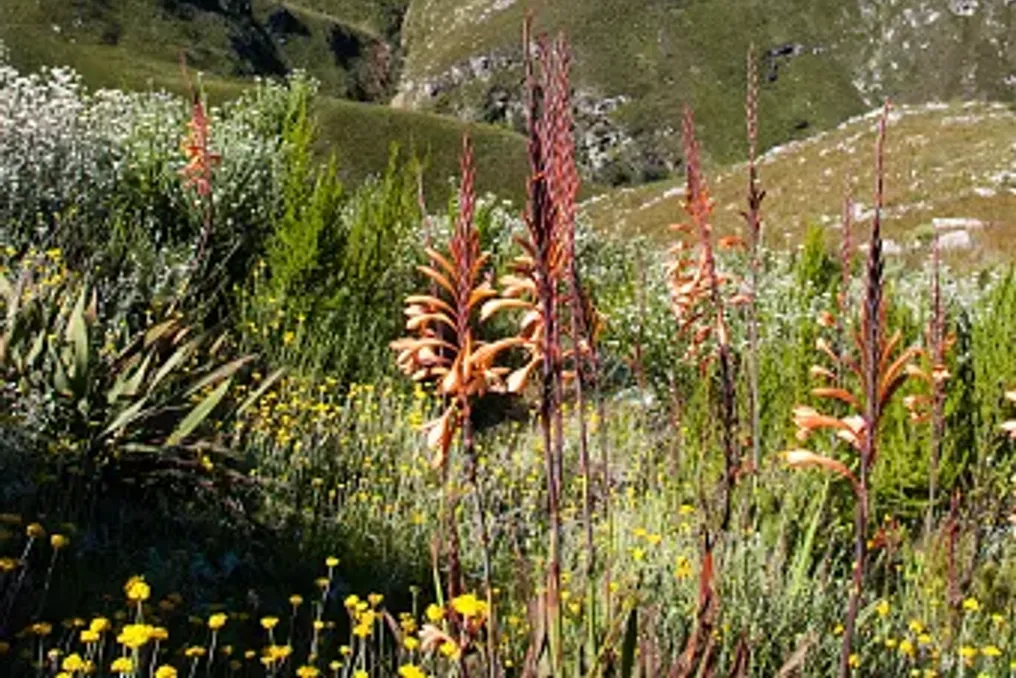
Spring in South Africa is traditionally associated with carpets of wildflowers, but this season brings many other changes to the country's landscapes. Forests become greener, wetlands fill up with birds, mountain trails become attractive, and whales return to the coast.
Places such as the Limpopo Mountains, Mpumalanga wetlands, and Eastern Cape forests offer an alternative way to experience spring without planning a trip around popular floral attractions.
In the Amatole Mountains in the Garden Route, one is surrounded by indigenous Afromontane forest, mountain streams, and waterfalls. This is a place where spring is best experienced on foot, as numerous routes pass through the forest and lead into the surrounding mountains.
The Garden Route tourism organization offers 22 hiking trails accessible without a permit, ranging from easy walks to more challenging ascents. Some of these trails pass through local forests and lead to major regional waterfalls, including Bridal Veil Falls and Madonna and Child Falls.
Spring is also favorable for outdoor activities as the landscape awakens after winter. Attention should be paid to birds in the forest, such as Cape parrots and Knysna turacos, while waterfalls and the mountain scenery provide many reasons to slow down. In addition to hiking, horse riding, mountain biking, cliff jumping, and local crafts are available.
Wackerstrom offers a calmer perception of spring, focused on its wetlands and high-altitude grasslands rather than bright floral displays. This town is internationally known as a birdwatching spot, where over 350 species of birds have been recorded in its wetlands, grasslands, and adjacent habitats.
Notable species include the Southern Bearded Ibises and Rudd's Pipit, and the wetlands serve as a habitat for waterfowl such as the African Jacana and the Marsh Owl. The Wackerstrom wetlands cover about 700 hectares and are recognized as an important zone for birds and biodiversity, as well as a nature reserve.
One does not need to be an expert ornithologist to enjoy this area. Hiking trails, bird hides, and quiet country roads allow for a slow exploration of the landscape. The WOW bird hides and viewpoints over the wetlands are good places to stop and watch the movement of birds over the water and surrounding grasslands. Spring also brings longer and warmer days, making it easier to combine birdwatching with walks through the village and surroundings.
Magaliesberg Gorge is one of the lush mountain corners of South Africa, where indigenous forests, waterfalls, streams, farms, and mountain landscapes surround the Haenertsburg area. The Woodbush Forest in the region is the largest indigenous forest in Limpopo, and the surrounding mountains are home to clean streams, waterfalls, and rich local fauna.
The area also has a developing agricultural focus, growing crops such as avocados, raspberries, blueberries, and kiwis in its cool mountain climate. This combination makes Magaliesberg Gorge particularly suitable for a spring getaway. One can spend the morning walking in the forest, then stop at a farm stall or a local food producer, and finish the day by a waterfall or a mountain viewpoint.
The regional tourism association also highlights opportunities for hiking, birdwatching, horseback riding, fishing, and scenic drives, alongside farm stalls, restaurants, and cafes that use local produce. Although spring brings flowers to some gardens in the region, including azaleas and cherry blossoms, they do not have to be the focus of your visit; the forests, farms, and mountain landscape provide the seasonal experience themselves.
The Outeniqua Mountains offer another side of spring in the Western Cape. Instead of heading to one of the province's famous floral zones, one should go to the mountains, where fynbos, indigenous forest, and dramatic passes create a diverse landscape. The Outeniqua Nature Reserve is located between the wetter coastal region and the drier Little Karoo. Vegetation changes across the mountains: montane fynbos is found on the southern slopes, and pockets of indigenous forest are in the valleys.
September and October are considered particularly interesting months when proteas and ericas begin to bloom. However, the appeal of this place is broader than just flowering, as hiking trails, mountain passes, birds, and changing vegetation offer plenty of opportunities for exploration. The reserve is also an important catchment area, adding another aspect to the visit. Tourists can explore mountain routes while observing fynbos birds, such as Cape Sugarbirds.
This is a useful option for travelers who want to feel the arrival of spring in the Western Cape while avoiding crowds in the province's most famous floral spots.
Spring on the South Coast of KwaZulu-Natal is not just about warmer days and time by the ocean. The coast becomes a good place for whale watching in the open sea, and the surrounding natural areas offer opportunities for exploration beyond the beach. September to November is considered spring on the South Coast due to warmer weather, gradually warming water, and the continued passage of whales in the open sea.
This results in a different kind of spring vacation: one can start the day with a walk along the coast, watch the ocean for whales, and then explore one of the region's forests, valleys, or other natural areas. The warmer climate of the South Coast also makes spring a comfortable time for active recreation before the heat and humidity of summer set in.
Whale sightings are never guaranteed, so this experience should be viewed more as a chance to observe the coast rather than a promise of seeing wildlife on schedule.
South Africa's landscape in the spring period is much more extensive than its famous flowering season. From the forests and waterfalls of the Garden Route to the Wackerstrom wetlands, Magaliesberg Gorge farms and forests, the Outeniqua Mountains fynbos, and the waters teeming with whales on the KwaZulu-Natal South Coast, this season offers many ways to get out in nature. While you may still encounter flowers along the way, they should not be the reason for the trip. Sometimes spring is simply a note on how the landscape is becoming greener, how many more birds can be heard, how much more time can be spent outdoors, and how wildlife is returning to the places it calls home.