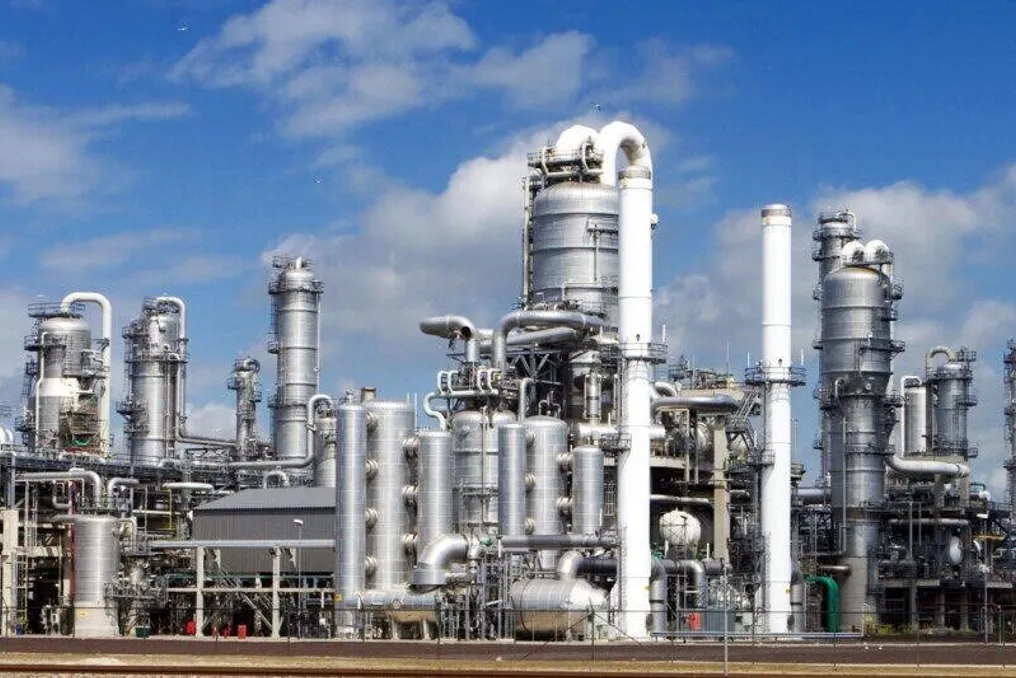
The CEO of the National Petrochemical Company stated that the industry is facing more complex conditions this year due to damage to energy facilities and gas imbalance. He noted that thanks to adopted measures and restoration work, 60 percent of the damaged capacity of petrochemical enterprises has returned to the production cycle.
According to IRNA, Omid Shakeri announced on Monday during a meeting with journalists about the progress of reconstruction of petrochemical industry facilities in Assaluyekh and Makhshar. He specified that the damage caused during the war was divided into two types: damage to utility networks and damage to specific processes. The restoration process in both sectors is advancing significantly, and currently, about 60 percent of the lost capacity is operational again.
Shakeri added that the oil management team aims to restore a significant part of the production capacity by the end of the year. However, he emphasized that the conditions for the petrochemical industry this year are tougher than in previous years, which is due to restrictions caused by gas shortages in the cold season, as well as damage to the oil refining industry.
The CEO of the National Petrochemical Company, stressing that stable production requires a constant flow of energy, recalled that in past years, unnecessary restrictions were placed on petrochemical enterprises due to the increase in domestic gas consumption during winter. This year, given the 230 million cubic meter reduction in oil refining capacity, the need for public cooperation in managing consumption is felt particularly acutely.
Shakeri also addressed the topic of exports and repatriation of foreign currency earnings. He noted that the petrochemical industry has managed to maintain export stability thanks to adopted measures, despite sanctions pressure and wartime conditions. He dismissed any issues in the process of returning foreign currency from petrochemical exports, stating that all export operations of this industry are under the control of the Central Bank. Petrochemical companies, after deducting the allowed percentage to meet their foreign currency needs, return the remainder of the funds to the country's economy, thereby ensuring a foreign currency repatriation rate in the petrochemical industry above 90 percent.
The CEO of the National Petrochemical Company acknowledged that this industry, despite all difficulties, is at the forefront of the economic struggle and strives to fulfill its role in meeting the country's foreign currency needs, which requires support and understanding from all members of society. According to him, the process of exporting and repatriating currency from petrochemical product exports differs from that of oil, as companies sell their products directly and return the received currency.