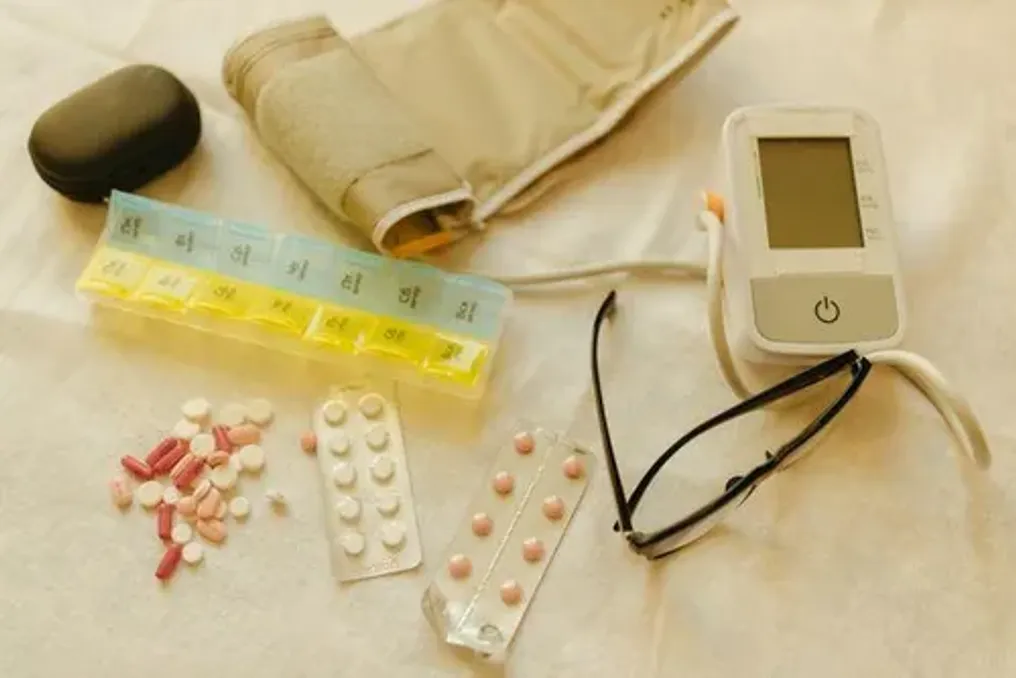
The Goettingen Health Department has appealed to the public to use medications responsibly. This includes taking treatment strictly as prescribed, proper storage of medicines, safe disposal of unnecessary or expired drugs, and consulting with healthcare professionals when questions arise regarding therapy.
A representative of the department, Steve Mabona, emphasized that medicines can only bring the expected health benefits with correct and consistent application. Missing doses, incorrect intake, or stopping treatment without specialist consultation can reduce therapy effectiveness and expose patients to the risk of serious health complications.
Mabona noted that adhering to the treatment regimen is critically important, especially for people with chronic diseases such as diabetes, hypertension, asthma, epilepsy, tuberculosis (TB), HIV, and mental disorders. Strict adherence to the dosing schedule helps control these conditions, prevent disease progression, and reduce the likelihood of hospitalization.
Mabona also warned the public never to pass on prescribed medications to family members, friends, or neighbors, even if symptoms seem similar. He explained that every prescription is based on a unique health condition, medical history, and the needs of a specific person, and what is safe for one may harm another.
Furthermore, the department opposed the misuse of antibiotics and promoted their responsible use. Antibiotics are intended to fight bacterial infections and are ineffective against viral illnesses such as the flu and common cold. Excessive antibiotic use contributes to the development of antimicrobial resistance, which complicates infection treatment and increases the risk of complications, including during surgical procedures.
Patients prescribed antibiotics were advised to take them exactly as instructed and complete the full course of treatment, even if they felt better. If side effects appear or doubts arise about the treatment, they should first consult a healthcare professional before making any changes.
Equally important is the correct way to store medications to maintain their quality, effectiveness, and safety. Medicines must be stored according to the instructions on the packaging or the recommendations of the doctor who prescribed or issued them. Mabona advised communities to keep preparations in their original containers, out of reach of children, and away from direct sunlight, excessive heat, and moisture. He added that not all medicines require refrigeration, and those unsure about storage requirements should seek advice from a pharmacist.
The department also urged people to regularly check their medicine cabinets and safely dispose of expired or unneeded medications. It is forbidden to throw unused medicines down toilets, sinks, or drains, as this poses a threat to public health and the environment. Instead, it is recommended to return expired or unnecessary medications to a pharmacy, clinic, or hospital for safe and proper disposal. They should also avoid storing or giving such preparations to other people.
The department reminded the public that vaccination remains one of the most effective ways to prevent diseases and protect public health. Ensuring timely vaccination of children and adults helps protect individuals, families, and communities from vaccine-preventable diseases and their complications.
The department urges patients to actively participate in their own healthcare by asking questions about their treatment. Before leaving a clinic, hospital, or pharmacy, patients must clearly understand the purpose of the drug, the rules and timing of intake, storage conditions, possible side effects, and what to do in case of a missed dose.
According to the department's data, September is recognized as Pharmacy Awareness Month, dedicated to the theme 'Empowering Pharmacists for a Healthier Future'. This initiative recognizes the vital role pharmacists play in improving access to healthcare, promoting drug safety, and strengthening healthcare systems. Pharmacists and assistants play a key role in supporting patients through medication counseling, assisting with adherence to treatment regimens, health education, and promoting the safe and responsible use of medicines. The public is encouraged to utilize their expertise when seeking advice on their treatment.