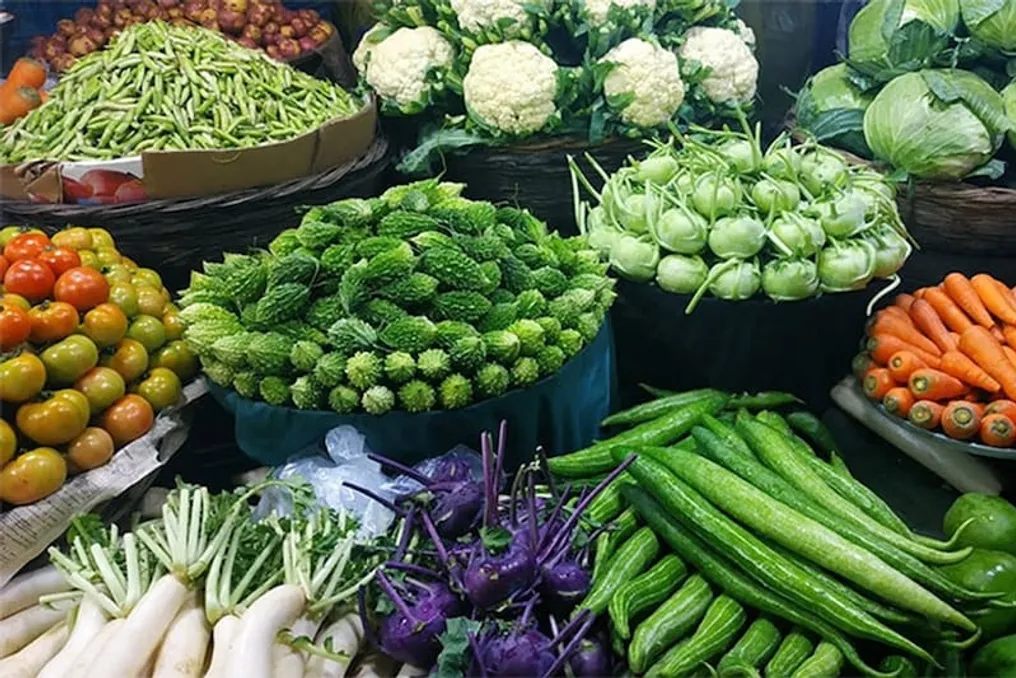
As the winter season begins, farmers' activity in the fields increases. In addition to sowing winter crops (rabi), many farmers grow vegetables that develop well in low temperatures and can quickly generate income after being sold at the market. It is noteworthy that some types of vegetables mature in a short time, while others require a longer harvesting period.
If a farmer sows on time, uses quality seeds, and provides irrigation and care according to the crop's needs, vegetable farming in winter can become a good source of income. However, it is not enough just to choose a crop based on current market prices; it is crucial to consider the cost of seeds, water availability, labor, harvest time, and demand in the local market.
Green peas are among the favorite winter vegetables for farmers. Generally, sowing takes place from October to December, although the exact timing depends on the local climate and the chosen variety. Under favorable weather conditions and proper care, the pea harvest can be ready for collection within approximately 70–90 days. Before starting cultivation, it is useful to learn about the demand for peas and potential sales in the local market.
The demand for cauliflower in winter remains high. Farmers can choose early or late varieties depending on the climatic conditions of their region. To get a good cauliflower harvest, attention must be paid to field preparation and the quality of seedlings from the beginning. If the seedlings are high quality, the field drainage is sound, and irrigation is carried out as needed, this will help maintain high crop quality.
For farmers who want to bring the harvest to the market quickly, spinach is a suitable option. Depending on the weather and farming methods, the first harvest can begin in about 30–40 days. The feature of spinach is that, provided it is properly cared for after the first harvest, leaves can be harvested multiple times, giving the farmer the opportunity to sell the product at different times from the same harvest.
Beets can also be grown in winter. Although this process takes longer than spinach, the demand for it in the market remains. Under normal conditions, beet root crops can be ready for sale in about 60–70 days. Nevertheless, the maturation period depends on the seed variety, weather, soil type, and field care.
Broccoli is considered one of the expensive crops compared to ordinary vegetables because its demand is high in both large cities and hotels and restaurants. This is why some farmers are expanding their plantings, including broccoli, alongside traditional vegetables. However, the farmer should exercise caution here. Before starting to grow broccoli, it is necessary to gather information about local markets, local buyers, hotels, or other potential customers. Otherwise, even with a good harvest, there may be sales problems due to lack of market demand.
According to agricultural experts, field preparation is paramount for obtaining a high yield of winter vegetables. The soil must be loose, and water should not accumulate in the field. Before sowing, the field must be thoroughly plowed and leveled. Using manure or compost can promote increased biological activity of the soil. However, the optimal amount of fertilizers and stimulants should be determined based on the crop's needs and soil analysis results.
Irrigation should be carried out based on soil moisture levels. Due to lower temperatures in cold weather, vegetables may require less water compared to summer. But this does not mean that the field should be left dry for a long time. Soil moisture must be monitored, and waterlogging must be prevented, as excess water can also damage vegetable crops.
Pests and diseases must be identified immediately. If signs of damage appear on the vegetable plant leaves, such as holes, insects, spots, or plant weakening, these symptoms cannot be ignored. Early detection of the problem allows for the prevention of serious crop damage. In case of pests or diseases, it is recommended to consult a local agronomist and use only preparations and methods approved for that crop.
One should not rely on only one crop. If a farmer plants various vegetables that mature at different times, depending on the capabilities of their land and the market, they can have opportunities for income during different periods. For example, spinach may mature quickly, while peas, cauliflower, and beets will require relatively more time. Therefore, when choosing a crop, one should look not only at the high price of the vegetable in the market but also at the demand for that crop in your region, as well as the availability of water supply and labor, and where you can sell the harvest after it is collected.