Oil prices and bond yields rose on Monday amid Donald Trump's rejection of an Iranian proposal for a seven-day ceasefire, intensifying inflation concerns. Meanwhile, stock markets showed mixed dynamics as traders awaited key data releases from the US.
Last week, Tehran presented a plan at the UN General Assembly calling for a cessation of hostilities and the opening of the Strait of Hormuz. Such an event could ease the critical supply crisis that has driven up global prices.
This waterway is vital to the global energy system and is currently at the center of confrontation between the US and Iran, especially after Houthi rebels seized the entire Red Sea coast of Yemen, including the Bab el-Mandeb strait, a crucial shipping route.
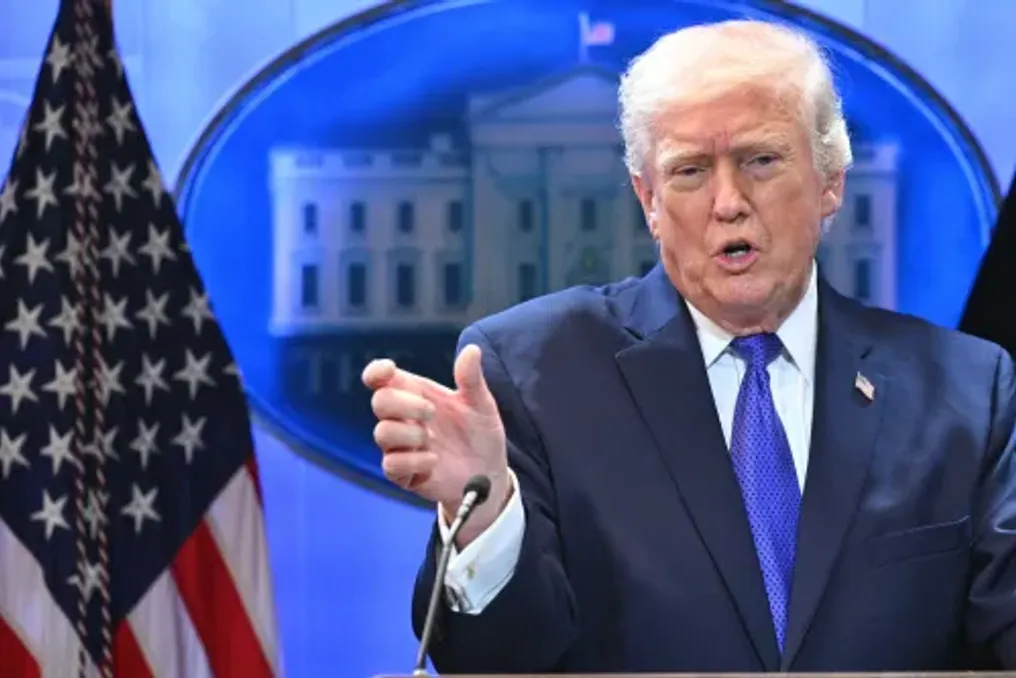
Nevertheless, the US President told reporters near the White House: 'I reject their offer.' However, he also informed Axios that he expects negotiations to resume. He noted: 'They want to make a deal, but it's not the deal I want to make. It's what we might have agreed upon a year ago.'
Trump added in an interview published Sunday: 'They played their cards wrong.'
According to sources familiar with the situation, informal talks between Washington and Tehran may have begun as early as Monday. Iran maintains its conditions for opening the strait, which include the release of frozen assets, lifting sanctions on its oil, and ending the naval blockade by the US.
Oil prices, which had fallen more than two percent on Friday following the announcement of the proposal, recovered at the start of the new week: Brent rose by more than three percent, surpassing the $107 per barrel mark. This once again fueled inflation fears and put pressure on stock markets.
The Seoul stock market opened down 2.7 percent after a long hiatus, while Tokyo, Shanghai, Manila, Mumbai, Bangkok, and Jakarta also saw declines. Conversely, Hong Kong, Sydney, Singapore, and Wellington experienced gains, and London, Paris, and Frankfurt opened with positive momentum.
Bond yields increased; according to Bloomberg, the average for the global bond index reached four percent last week for the first time outside of 2007. The price increase once again shifts focus to the Federal Reserve ahead of its next policy meeting at the end of October, with the CME's FedWatch tool showing a probability of a second consecutive rate hike above 65 percent.
Before this decision, investors will see the bank's preferred inflation indicator report this week, as well as a key employment report that could play a significant role in policymakers' deliberations. As Steven Innes of Quintex Intel wrote: 'Tensions in the Middle East have flared up again after President Donald Trump rejected Iran's latest proposal to open the Strait of Hormuz.' He continued: 'Oil rose, and Asian stocks weakened, and the sudden short-term relief in the global fixed income market looks more like a pause than an end to the show.'
